






16 Jun Israeli Military Stance in South Lebanon Amid Tensions
Israeli Stance on South Lebanon Reveals Tensions in U.S.-Iran Agreement
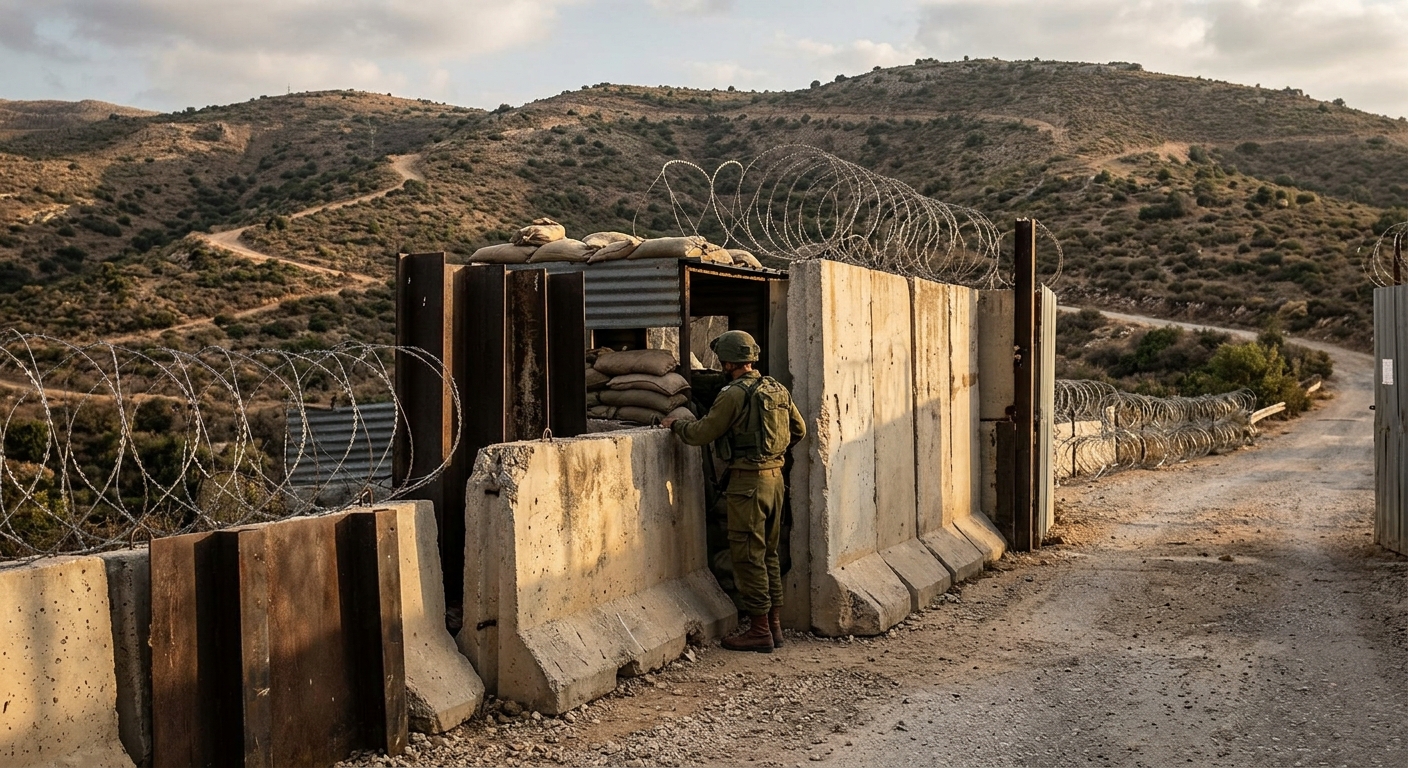
Israel has made its position unmistakably clear on its military presence in South Lebanon, amid ongoing diplomatic efforts to ease regional tensions. Yechiel (Michael) Leiter, the Israeli Ambassador to the United States, stated this week that Israel won’t pull back from the area. This comes despite recent talks involving the U.S. and Iran.
The ambassador’s firm remarks—aired during an NPR interview—highlight a major friction within the proposed U.S.-brokered ceasefire with Iran. This deal is seen as a stepping stone toward addressing broader issues, like Iran’s nuclear pursuits. But there’s a catch: Iran has claimed the ceasefire would be all-encompassing, reaching fronts like Lebanon, which Israel challenges.
Complexities in the U.S.-Iran Deal
The Trump administration’s 60-day ceasefire plan complicates matters further. This plan aims to jumpstart discussions on Iran’s nuclear ambitions and other hot topics. Yet, without a unified stance among all parties, the deal’s success—and survival—seems shaky.
Israeli officials, including Defense Minister Israel Katz, refuse to budge from the region, viewing it as insurance against Hezbollah’s growing influence—a threat they consider direct and imminent. Their strategy covers areas like Syria and Gaza, standing firm against international pressure.
Humanitarian Concerns and Diplomatic Fallout
Israel’s tough stance coincides with rising humanitarian alarms over the conflict’s impact on Lebanese civilians—thousands dead, millions displaced. Despite these harrowing figures, Israel insists its military actions are solely aimed at Hezbollah militants. Such assertions might only heighten tensions with Lebanon and Iran.
Unclear ceasefire terms and enforcement, especially regarding Israel’s territorial worries, remain contentious. This discord underscores the delicacy of international diplomatic ventures in the region.
Congress Seeks Clarity
Back in the U.S., the Trump administration’s opacity about the Iran deal leaves Congress on edge. Senators across the aisle—Democratic and Republican alike—demand more details, stressing the importance of Congressional oversight in such critical foreign policy moves.
As negotiations unfold, the Middle East’s power dynamics hang in the balance. Every stakeholder’s strategic game plan greatly influences the region’s trajectory. These diplomatic maneuvers won’t just be scrutinized by the involved nations but also by global powers with stakes in the stability of the Middle East.
No Comments