







20 Jun Separation of Powers in DOJ’s Standoff with Judge
Examining the Separation of Powers in DOJ’s Defiance of Judge’s Demand
The Department of Justice (DOJ) has recently been locked in a standoff with a federal judge, Judge Leonie Brinkema, over a nearly $1.8 billion anti-weaponization fund. She asked for a sworn statement confirming the fund’s inactivity, but the DOJ pushed back, citing “serious separation of powers concerns.” It’s a reminder of the ongoing tug-of-war between the judiciary and the executive branches.
The Crux of the Conflict
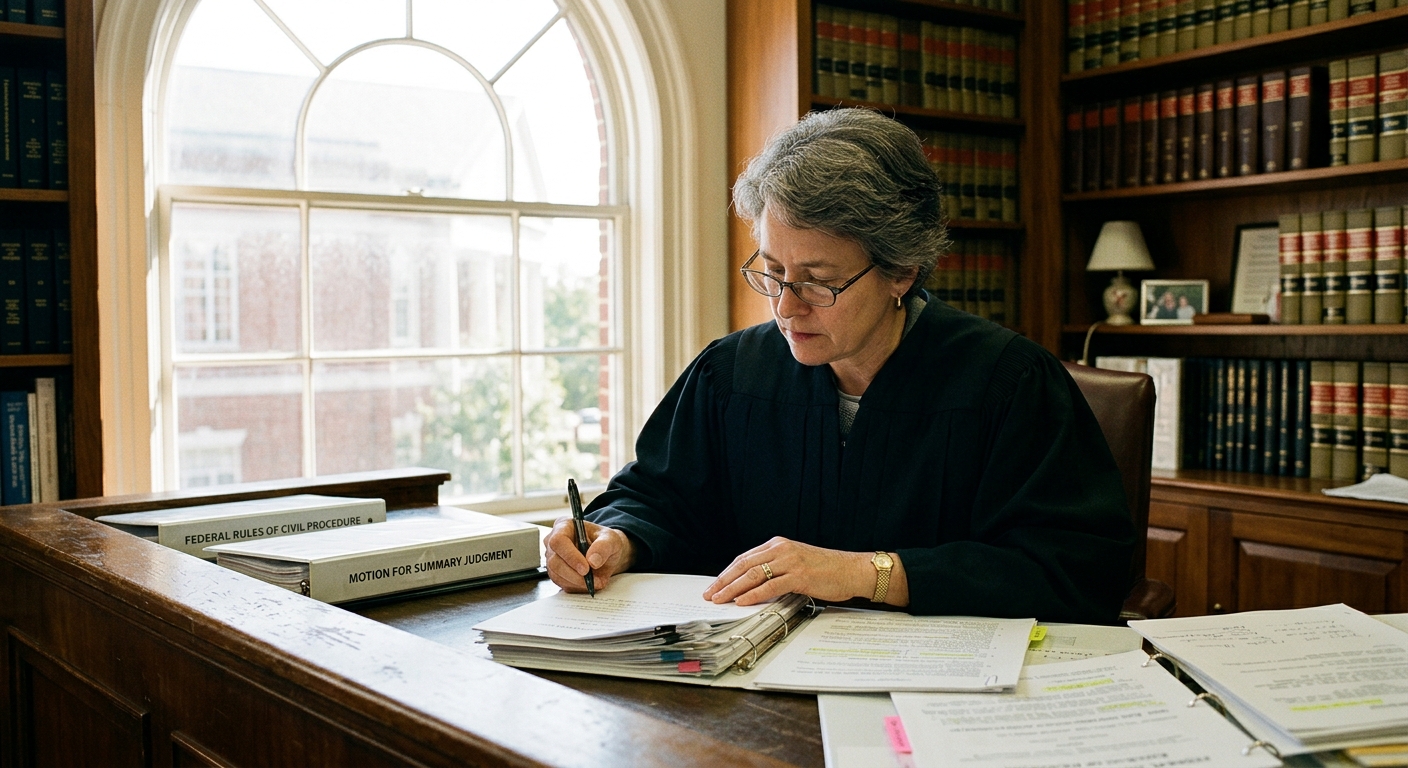
At the core of this showdown is how power is shared between the U.S. government’s judicial branch and its executive arm. By blocking the fund indefinitely and demanding assurances from top officials, like acting Attorney General Todd Blanche, Judge Brinkema highlights the judiciary’s role in maintaining checks and balances. Yet the DOJ’s resistance suggests a firm stance on safeguarding its executive authority from what it sees as judicial overreach.
Understanding Separation of Powers
The U.S. Constitution sets clear boundaries for the powers and duties of the three governmental branches, all to prevent any one branch from becoming too powerful. This separation ensures a system of checks and balances. But when branches start stretching their interpretations of these powers, conflicts pop up—just like the current skirmish between the DOJ and the judiciary.
Implications and Precedents
- Constitutional Interpretation: This situation might become a benchmark for future debates over power boundaries, particularly when judicial demands clash with executive priorities.
- Judicial Oversight: The judiciary has the power to review executive actions, yet this case raises questions about how far that oversight should go and its effect on executive independence.
- Political Ramifications: The DOJ’s position could set a precedent, influencing how future administrations deal with similar scenarios, potentially shaping the executive’s stance on judicial directives.
The Broader Context
This legal impasse isn’t just a procedural snag; it taps into broader questions about governance and the balance of power in the U.S. With political narratives growing more polarized by the day, the challenge is for branches to keep each other in check without stepping on constitutional toes.
“The separation of powers is not just a constitutional formality but a living doctrine that shapes the functioning of our democracy,” notes constitutional expert Dr. Emily Harper. “Each branch must navigate its role with respect to the others, especially as society evolves.”
The DOJ’s stand is part of a larger dialogue about power dynamics in American governance. As this case progresses, it’ll provide a window into how the concept of separation of powers adapts within a political environment that’s constantly challenging traditional norms.
No Comments