







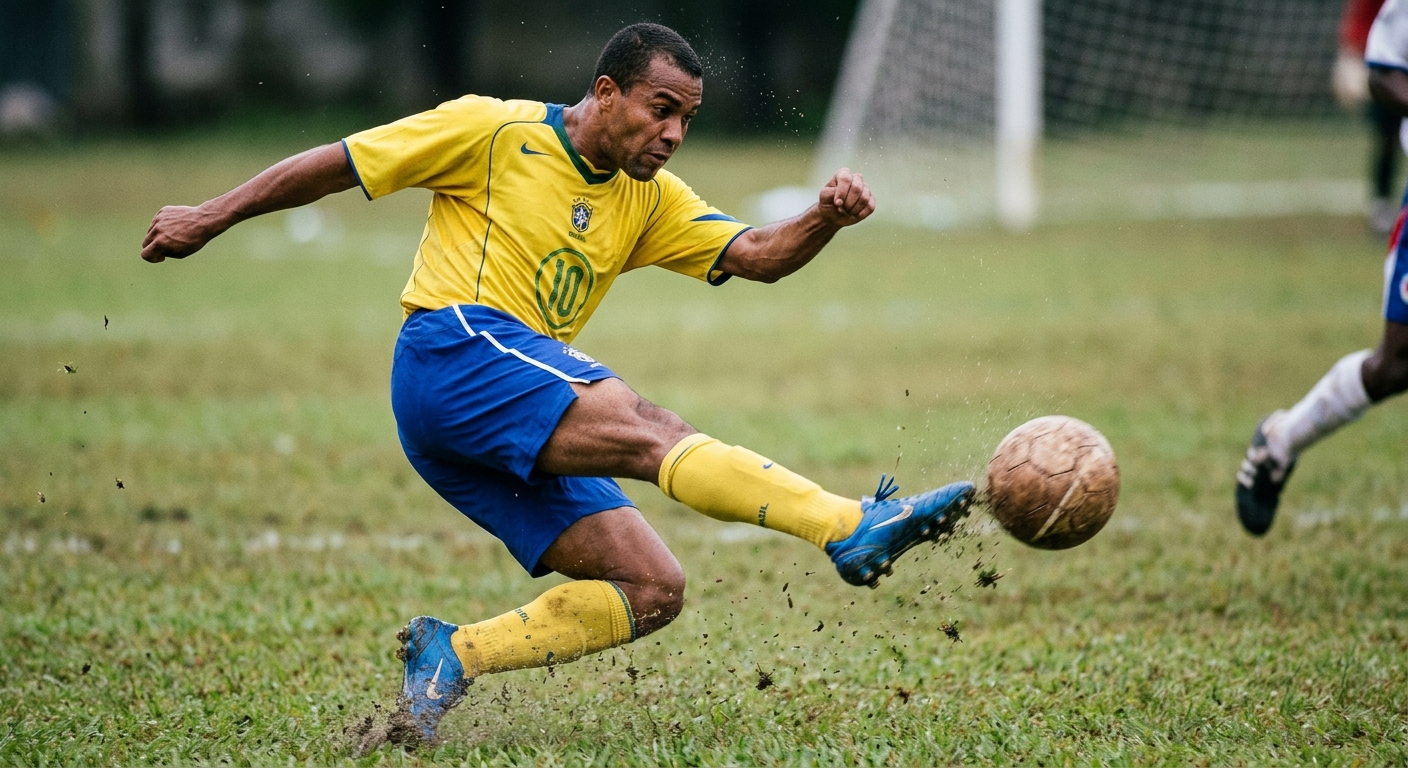
20 Jun Brazil-Haiti Match: A Diplomatic Milestone
Understanding the Influence of Sporting Diplomacy: The Legacy of the Brazil-Haiti Match
Back in 2004, something extraordinary happened. A football match between Brazil and Haiti, set up by the United Nations, broke through the ordinary boundaries of sport. It was more than just a game; it became a landmark diplomatic event. Taking place in the wake of Haiti’s political upheaval, this friendly match was a strategic maneuver that redefined Brazil’s foreign policy under then-President Luiz Inácio Lula da Silva—known to most simply as Lula. Almost twenty years later, the effects of this match are still felt across Brazil’s political landscape, illustrating the potent force of sports diplomacy.
The Context of the Match
Haiti in the early 2000s was a nation in turmoil, scarred by the ouster of President Jean-Bertrand Aristide. In the midst of this chaos, the Brazil-Haiti match was staged as a beacon of peace and solidarity. Lula, who had taken office in 2003, was determined to position Brazil as a diplomatic powerhouse, particularly within Latin America. Roughly 20,000 spectators turned out for the match, where Brazilian football legends took to the field, capturing the hearts and imaginations of the Haitian people.
A Strategic Diplomatic Tool
Deciding to play this match wasn’t just an act of goodwill—it was a shrewd diplomatic move. Lula’s administration wanted to demonstrate Brazil’s leadership in peacekeeping efforts, enhance its regional influence, and create unity through shared cultural experiences like football. This game was Brazil’s debut in leading a significant peacekeeping mission, heading the United Nations Stabilization Mission in Haiti (MINUSTAH). It set a new standard for Brazil’s future engagements on the international stage.
Long-Lasting Political Reverberations
The echoes of the Brazil-Haiti match went well beyond its immediate aftermath. It played a crucial role in crafting Brazil’s foreign policy image, painting the country as a champion of peace and regional unity. The event underscored Brazil’s potential in wielding soft power, using cultural diplomacy to nurture international relationships. The success of this match also shone brightly on Lula’s domestic standing, presenting him as a leader capable of broadening Brazil’s global reach.
Moreover, it laid the groundwork for future sports-based diplomatic strategies, influencing how subsequent administrations approached international relations. The triumph of this match proved that cultural happenings could spark significant political shifts, altering public perception and diplomatic ties.
Conclusion
As the world continues to face challenges that strain traditional diplomatic pathways, the 2004 Brazil-Haiti match remains a potent reminder of the potential within sports and cultural diplomacy to heal divides and promote global cooperation. Though the game itself was just 90 minutes, its impact on Brazil’s political and diplomatic journey is long-lasting, offering deep insights into the power of unconventional diplomatic tools in reshaping global narratives.
No Comments