







20 Jun U.S.-Iran Talks in Switzerland Amid Tensions
U.S.-Iran Talks in Switzerland: A Complex Dance Amid Middle Eastern Tensions
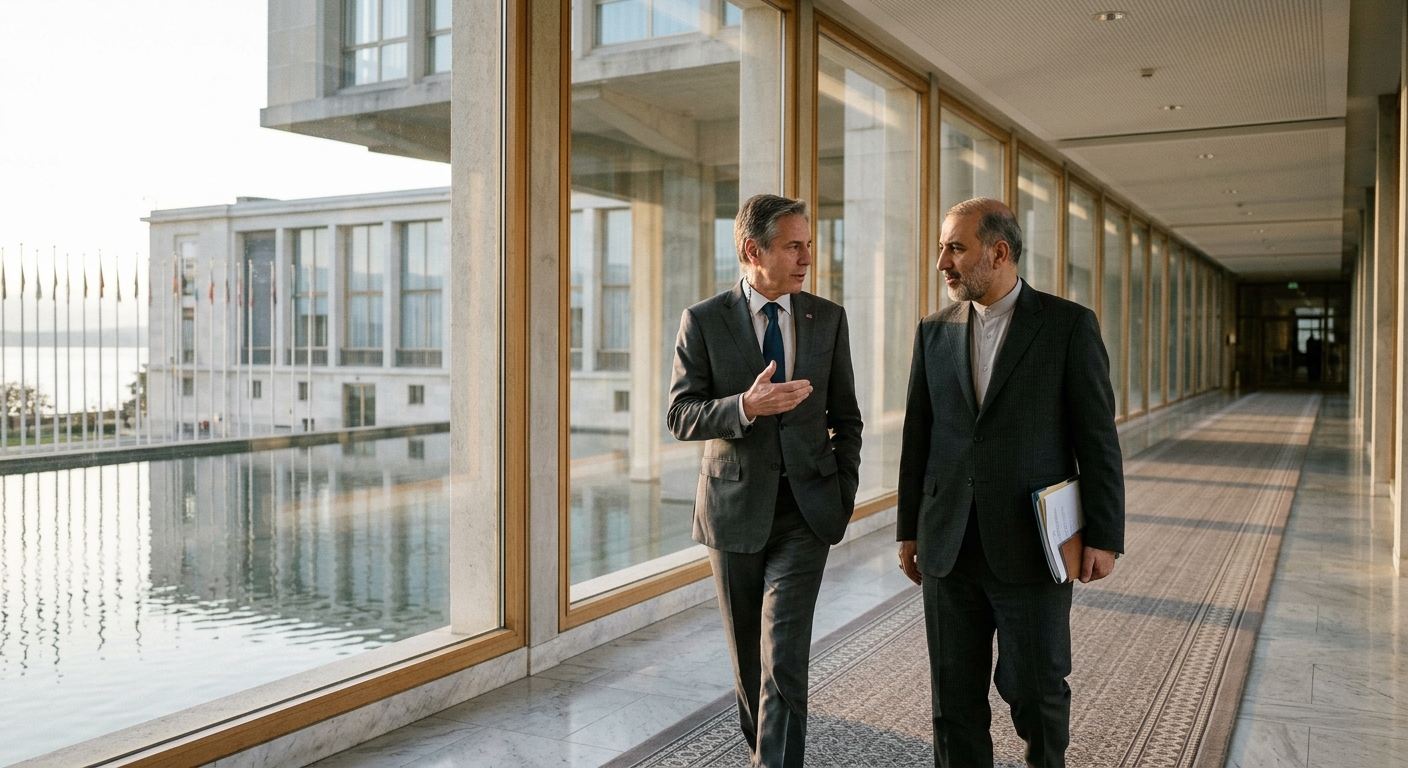
In the scenic backdrop of Burgenstock, Switzerland, all eyes are on the crucial U.S.-Iran talks about to unfold. Iran’s recent decision to shut down the Strait of Hormuz—citing ongoing Israeli attacks in Lebanon—has raised the stakes significantly. Yet, the U.S. remains skeptical, firmly asserting that maritime traffic through the strait continues without a hitch.
The Geopolitical Chessboard
These discussions are set against a vibrant geopolitical chessboard, with numerous players jostling for power and influence. The Strait of Hormuz, a pivotal passage for global oil shipments, is central to Iran’s strategy. Their maneuver is a clear reaction to perceived U.S. breaches in regional security commitments. Iran’s actions are seen as a strategic move on this complex board, pushing boundaries with diplomatic heft.
Amid these rising tensions, Pakistan and Qatar have emerged as key mediators, working tirelessly to steer the U.S. and Iran back to the negotiation table. High-profile figures like Iran’s parliamentary Speaker Mohammad Bagher Qalibaf and Foreign Minister Abbas Araghchi, along with U.S. representatives Jared Kushner and Steve Witkoff, highlight the discussions’ gravity and urgency.
Global Economic Implications
The Strait of Hormuz’s potential closure could have far-reaching effects on the world economy. As a crucial route for about 20% of the world’s oil, any disruptions might hike oil prices, compounding existing global economic uncertainties. Meanwhile, the U.S. military reports 55 merchant ships passed through the strait just on Saturday, emphasizing the gap between Iran’s claims and the U.S. narrative. These conflicting accounts reveal the delicate balance of information and perception in global diplomacy.
The Broader Diplomatic Context
The negotiations are woven into a broader diplomatic tapestry, filled with complex alliances and historical disputes. The recent tension between President Trump and Italian Prime Minister Giorgia Meloni over Iran policies shows the tangled web of international relations influencing these talks. At home, U.S. political dynamics—featuring figures like Senator Tom Cotton—add yet another level of complexity. What’s at stake isn’t just U.S.-Iran relations; regional players such as Israel and Lebanon, along with global stakeholders, are all intricately tied to the outcomes.
Navigating Uncertainty
The world waits, uncertain of where these talks will lead. Iran has hinted that real progress depends on U.S. actions, while the U.S. remains cautiously poised. The journey ahead is littered with hurdles, but what emerges could redefine the Middle Eastern geopolitical landscape and global economic stability. In the end, the negotiations in Switzerland underscore how complex diplomacy can be—where facts meet narratives and perceptions, and where resolving these tensions is crucial for the international community at large.
No Comments