







20 Jun Ceasefire in Gaza: Illusion Amidst Ongoing Strikes
Ceasefire in Gaza: A Fragile Illusion Amidst Continued Strikes
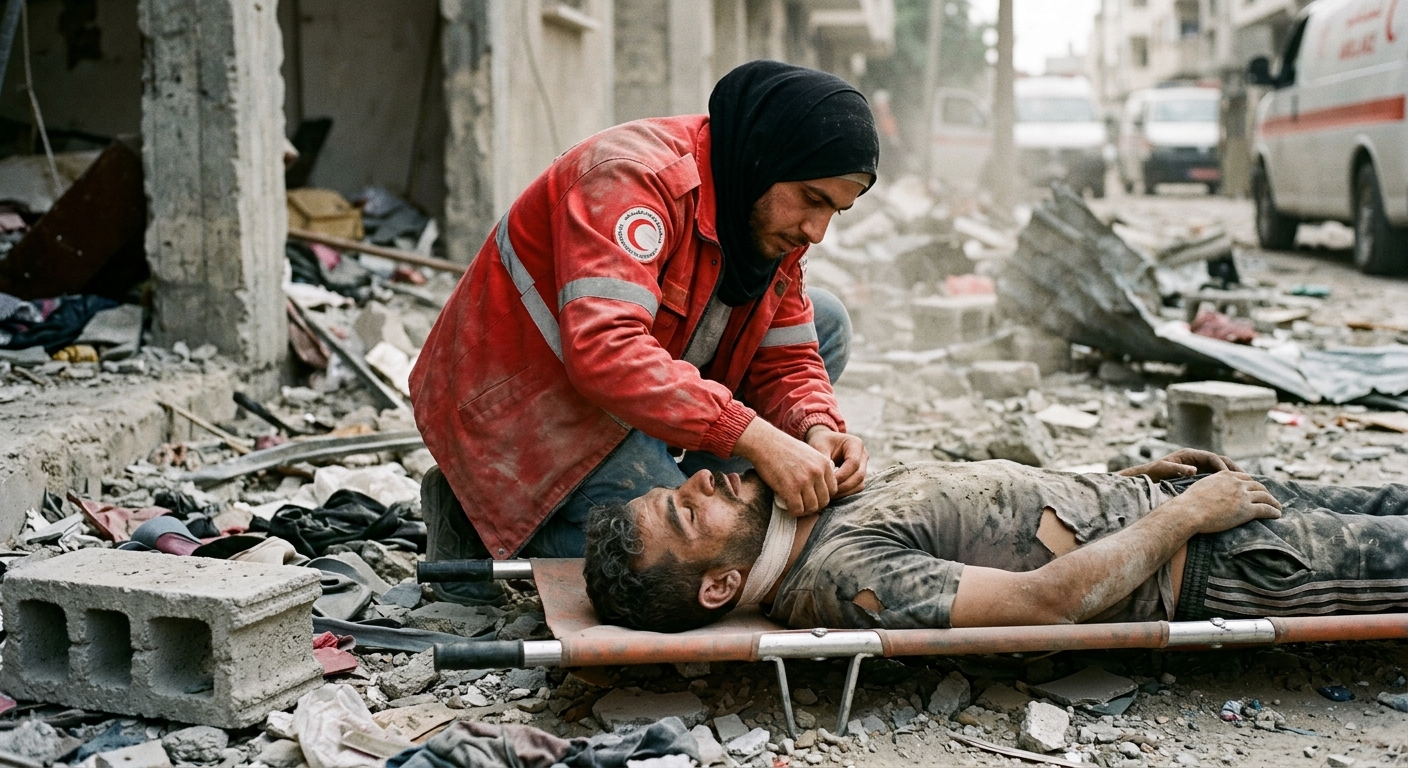
Ceasefires usually mean a pause in fighting, a fleeting chance for peace. But what’s happening in Gaza right now flips that script. Israeli strikes persist, shattering lives even as a supposed truce with Hamas is in place. Just this past Saturday, six Palestinians lost their lives—including two kids and an Al Jazeera cameraman—showing the region’s relentless volatility.
The Complexity of Ceasefires and Political Dynamics
Back in October, Israel and Hamas agreed to a ceasefire, hoping to halt violence and maybe even open doors for diplomatic resolutions. But reality looks starkly different. Gaza’s Health Ministry reports that Israeli military actions have led to over 1,000 Palestinian deaths since the ceasefire’s inception. It’s a toll that raises serious questions about how effective—or sincere—such agreements truly are.
“This ceasefire the occupation and the negotiation team speak of … is this really a ceasefire? We are civilians. I never held a weapon,” voiced Mohammad Safadi, a Gaza resident injured in a recent strike.
His words echo the frustration and despair felt by many Palestinians enduring the brunt of military actions. The Israeli military insists its operations target Hamas and other militant groups, but with so many civilian deaths, the narrative gets messy, crafting a humanitarian crisis that urgently needs attention.
International Reactions and the Role of Media
Violence in Gaza not only destabilizes the region, but it also strains international ties. The usually strong U.S.-Israel alliance is showing cracks, particularly with recent geopolitical maneuvers involving Iran. U.S. President Trump and Vice President JD Vance haven’t held back in critiquing Israeli Prime Minister Netanyahu’s military strategies—a sign of shifting diplomatic rhetoric.
Then there’s the haunting death of Al Jazeera cameraman Ahmed Wishah. His death—along with his brother Mohamed’s in a previous strike—spotlights the dangers journalists face in conflict zones. A free press is key for democracy, yet such losses severely limit the global community’s ability to get unbiased information.
Broader Implications and Future Prospects
Hostilities in Gaza carry implications far beyond its borders, affecting Middle Eastern politics and international diplomacy. As the U.S. treads carefully in its relationships with Israel and Iran, the region’s peace remains on a knife’s edge. Some conservatives in the U.S. argue that recent diplomatic efforts, including the ceasefire and a memorandum of understanding with Iran, compromise military achievements and fail to address persistent security worries.
In the end, Gaza starkly reminds us of the challenges in resolving conflicts. With military actions’ human toll and the intricacies of international diplomacy, a fresh look at peace strategies is essential. As global leaders deliberate on next steps, the voices of those directly impacted by the conflict—in Gaza and beyond—must be at the heart of any sincere resolution efforts.
No Comments