





21 Jun U.S.-Iran Tensions Rise Amid Diplomatic Talks
U.S.-Iran Tensions Escalate Amid Fragile Diplomatic Efforts
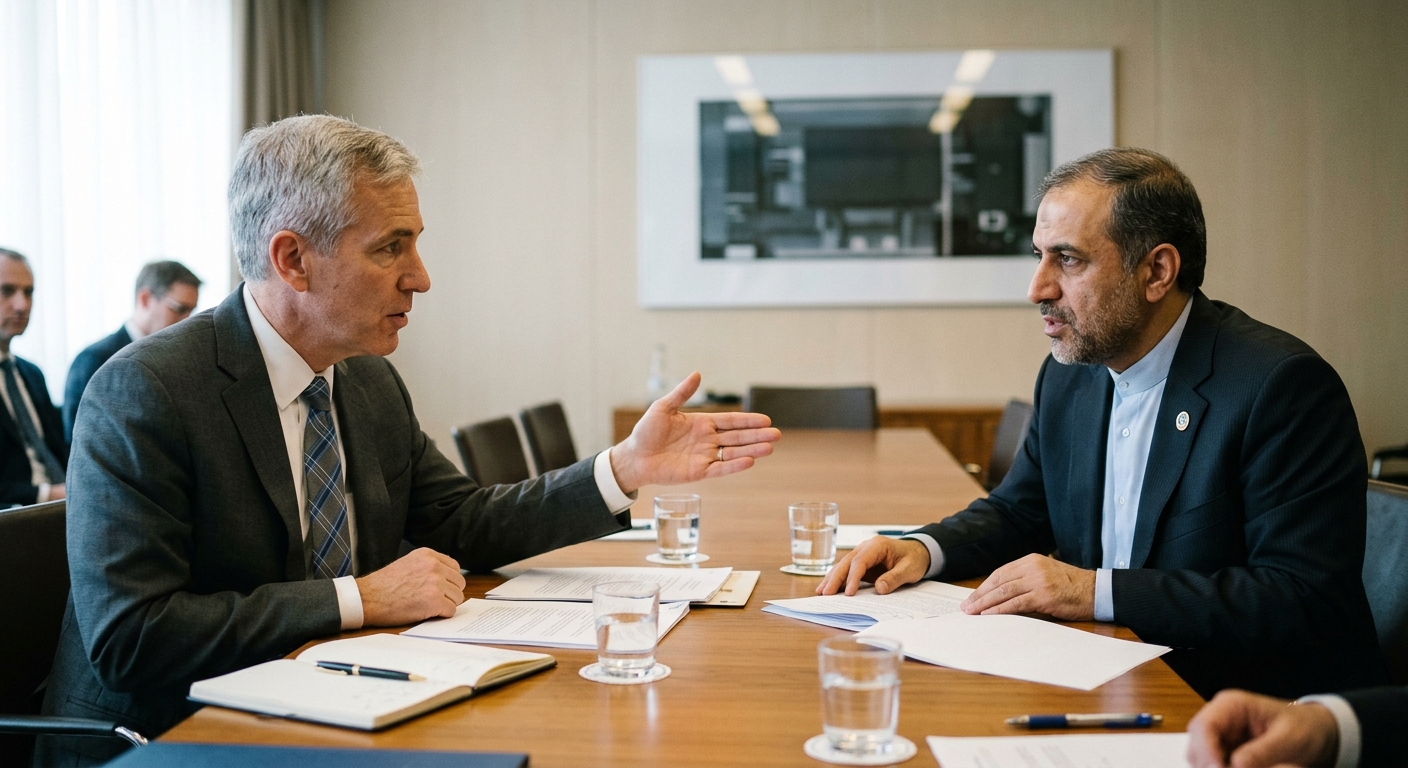
Tensions between the United States and Iran have reached new heights as high-stakes diplomatic negotiations continue in Switzerland. President Trump recently issued a stark warning to Iran, threatening severe retaliation if Iranian-backed proxies in Lebanon persist in their aggressive actions. This threat arises alongside Vice President J.D. Vance’s attempts to broker a peace deal in the region, highlighting the complexities and challenges in navigating U.S.-Iran relations.
The Tentative Deal Under Strain
The diplomatic talks at the Bürgenstock Resort in Switzerland aim to solidify a memorandum of understanding signed just last week between the U.S. and Iran. Yet, the situation is deteriorating quickly due to renewed hostilities in Lebanon. Israeli forces and Iran-backed Hezbollah have engaged in heavy exchanges despite a ceasefire being announced just recently.
Iran’s decision to shut the Strait of Hormuz in reaction to ongoing Israeli strikes adds another layer of complexity to the negotiations. While the U.S. Central Command reports normal shipping operations through the strait, this closure signals Iran’s dissatisfaction with the current state of the agreement, particularly concerning the cessation of hostilities in Lebanon.
Diplomatic Challenges and Progress
Despite the rising tensions, Vice President Vance remains optimistic about the progress of the talks, acknowledging the inherent messiness of such negotiations. His meetings with key international players—like Pakistan’s Prime Minister Shehbaz Sharif and representatives from Qatar—highlight the multifaceted nature of these peace efforts.
These discussions also delve into Iran’s controversial nuclear program. Iranian President Masoud Pezeshkian’s firm stance on uranium enrichment underscores the difficulties in reaching a comprehensive agreement that satisfies everyone involved. The international community is divided on addressing Iran’s nuclear ambitions, with significant implications for regional stability.
Media and Political Reactions
President Trump’s aggressive rhetoric toward Iran has sparked significant media coverage. The New York Times, in particular, drew the president’s ire over its portrayal of the ongoing conflict. Trump’s labeling of the publication’s reporting as “TREASONOUS” and his decision to incorporate it into a lawsuit against the outlet highlight the contentious relationship between the media and the administration.
Former Vice President Mike Pence has also criticized Trump’s approach, especially the tentative nature of the recent deal. His comments underscore the internal divisions within the U.S. political landscape regarding the best strategy for dealing with Iran.
Broader Implications
The unfolding situation between the U.S. and Iran is emblematic of broader geopolitical shifts in the Middle East. The region remains a focal point for international diplomacy, where competing narratives and interests complicate efforts to achieve lasting peace. As negotiations continue, the world watches closely, aware that the outcome could have far-reaching consequences for global security and stability.
No Comments