





22 Jun Judge Blocks Trump’s Subpoenas Against Minnesota Officials
Judge Blocks Trump Administration’s Subpoenas Against Minnesota Officials, Citing Unlawful Intent
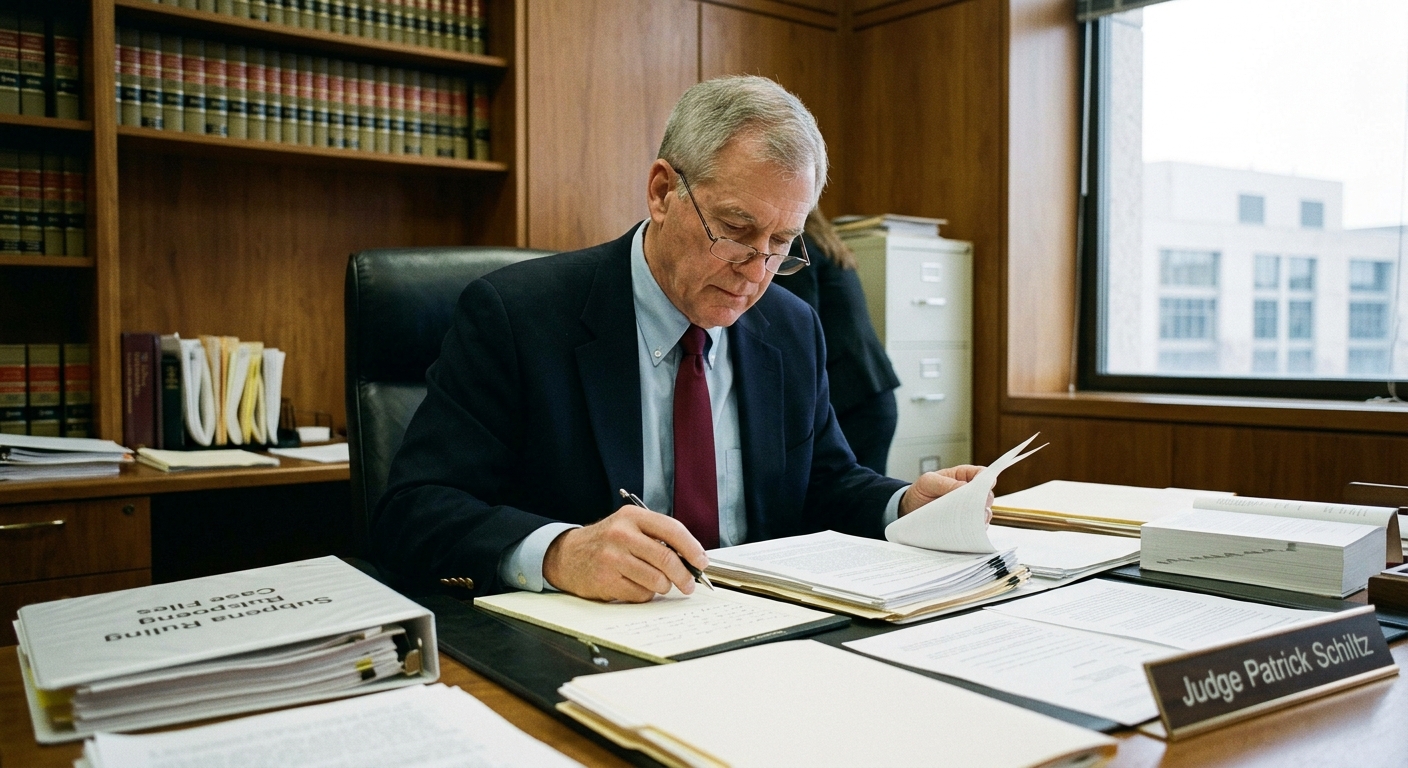
U.S. District Judge Patrick Schiltz recently derailed the Trump administration’s attempts to subpoena Minnesota Governor Tim Walz and other state officials in a probe linked to immigration enforcement. This ruling is a major setback for the Justice Department, emphasizing the judiciary’s function in reining in executive actions.
Subpoenas and Allegations of Retaliation
Issued back in January, the subpoenas aimed to collect records from Gov. Walz, Attorney General Keith Ellison, and other local leaders. Although supposedly tied to an investigation into obstruction of federal law enforcement, Judge Schiltz slammed the subpoenas as mainly retaliatory. According to him, the “dominant purpose” was more about pressuring state officials into cooperating with civil immigration enforcement than about legitimate criminal inquiries.
Judge Schiltz pointed out the connection between the requested information and any alleged criminal activity was “extremely weak to nonexistent.” He suggested the subpoenas were an attempt to target constitutionally protected acts, hinting at a broader tactic by Trump’s team to weaponize legal tools against political foes. Not the first time, either.
Political Tensions and Federal Overreach
These subpoenas are part of a larger clash between the Trump administration and Minnesota’s Democratic leaders. Tensions escalated after confrontations in the Minneapolis-St. Paul area between federal immigration officers and protesters. President Trump even threatened to use the Insurrection Act, accusing Gov. Walz of spurring disruptions against Immigration and Customs Enforcement.
The judge’s decision reinforces the idea that states like Minnesota have the right to decide how they allocate their resources, especially concerning federal immigration enforcement. This ongoing debate about states’ rights versus federal power is nothing new but continues to stir heated discussions in U.S. politics.
Reactions and Implications
Governor Walz celebrated the decision as a “victory for the rule of law and our democracy,” echoing the relief among those subpoenaed. On the flip side, the Justice Department stuck to its guns, highlighting the seriousness of hindering federal operations unlawfully. Future clashes over similar issues? Likely.
This ruling stacks up with a series of judicial decisions that have checked the Trump administration’s assertive legal maneuvers, spotlighting the judiciary’s role in keeping power in balance. As the country navigates diverging views on law enforcement and states’ rights, this case stands as a critical example of the tug-of-war between federal authority and state independence.
In the wider spectrum of American politics, these legal tussles underline the vital role of judicial oversight in preserving democratic values and holding the government accountable. The ripple effects of Judge Schiltz’s decision aren’t confined to Minnesota—they reverberate across states wrestling with the intricacies of federal-state dynamics.
No Comments