






22 Jun Bipartisan Housing Legislation in a Divided Congress
Unpacking the Bipartisan Push for Housing Legislation Amidst Broader Political Currents
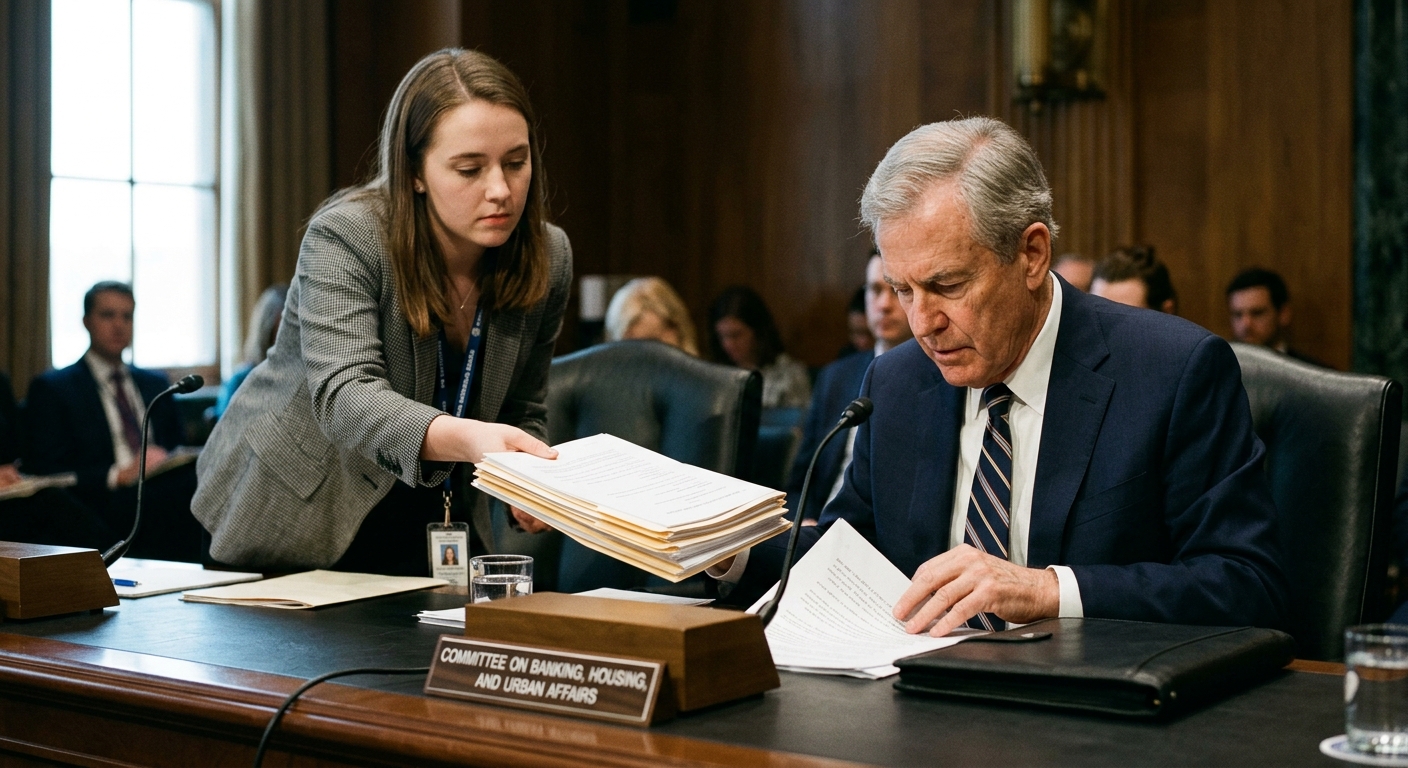
The U.S. House of Representatives is fast-tracking a bipartisan housing package, with final passage expected as early as Tuesday. This legislative step highlights the intricate dance of policymaking in today’s sharply divided political landscape. It’s not just about the bill itself—it’s woven into a complex web of political dynamics, from intra-party strategies to broader populist pressures.
Bipartisan Efforts in a Polarized Environment
In a rare show of bipartisanship, the housing bill’s advancement marks a collaborative effort to tackle the housing crisis—a persistent issue worsened by rising living costs and economic disparities. Lawmakers are strategically appealing to a diverse electorate increasingly strained by housing affordability concerns.
But let’s not ignore the tactical aspect. The swift momentum behind this housing package is also a calculated response to mounting political pressures. With House GOP leaders gearing up for another high-level reconciliation meeting, Recon 3.0, there’s a palpable urgency. The goal? To chalk up legislative achievements before the midterms. It’s all part of a bigger strategy to cement party positions and counter voter dissatisfaction over economic woes.
Populist Tides and Political Calculations
Meanwhile, on a parallel track, a rising tide of populism is challenging seasoned politicians, especially in places like New York. Frustration over soaring living costs and perceived governmental inaction drives support towards political newcomers—suggesting a shift in the political landscape. This trend points to a deeper disillusionment with traditional political structures and a hunger for change.
Populist sentiments aren’t just a domestic affair. They’re echoing globally. Take Mexico, for instance, where President Claudia Sheinbaum’s news conference was briefly upstaged by Merlin the duck, symbolizing everyday resilience. This quirky interruption underscores the public’s lean towards grassroots stories of perseverance over stale political rhetoric.
Implications for the Political and Social Fabric
The merging of these narratives—bipartisan legislative efforts, populist currents, and cultural symbolism—paint a complex portrait of a society wrestling with economic and social challenges. As lawmakers navigate these waters, the outcomes could significantly reshape the political landscape, election strategies, and the effectiveness of governance in meeting public needs.
If the housing bill passes, it’ll stand as a testament to what’s possible when bipartisan cooperation tackles urgent societal problems. At the same time, it highlights the necessity of staying tuned into the broader political currents shaping public perception and policy directions.
No Comments