






25 Jun Maricopa County’s Governance Challenges and Reform Issues
Challenges of Reform and Resilience: A Global Perspective on Governance and Crisis Response
Political allegiances and media narratives often shape our worldviews. Recent events in Arizona and Venezuela highlight how governance, crisis response, and public perception intertwine in complex ways. These cases provide a window into the ongoing challenges institutions face when tackling reform and recovery amid adversity.
Maricopa County’s Struggle with Reform
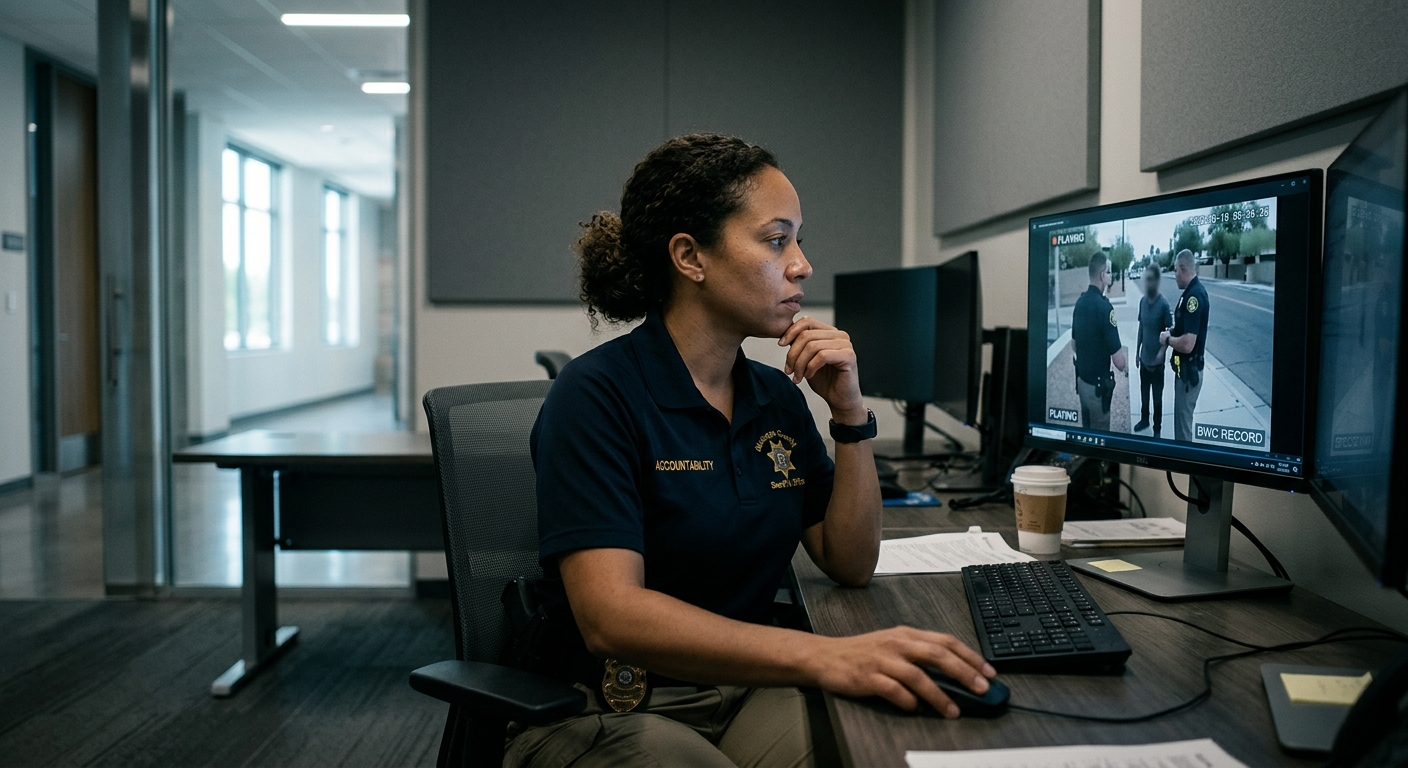
Once again, the Maricopa County Sheriff’s Office in Arizona is under the microscope. A court-appointed monitor recently flagged a “disturbing pattern” of failure to comply with mandated reforms. This stems from the Melendres v. Arpaio lawsuit, which accused the office of racially profiling Latinos at traffic stops to enforce immigration laws. Years of oversight haven’t solved the problems; the latest findings reveal enduring systemic issues, especially within the Professional Standards Bureau, which is supposed to investigate misconduct.
The report paints a picture of a culture where favoritism and intimidation often eclipse accountability, reminiscent of allegations against former Sheriff Joe Arpaio. Current Sheriff Jerry Sheridan, now bearing the settlement’s weight, has the tough job of guiding the department toward true reform. It’s a task made harder by entrenched practices and internal politics that can so often derail efforts to maintain justice and equity in law enforcement.
Venezuela’s Crisis: A Test of Humanitarian Response
Meanwhile, Venezuela is reeling from the aftermath of twin earthquakes, caught in a humanitarian crisis of massive scale. Thousands are feared dead, and destruction is widespread. The response—or lack thereof—underscores the vital need for effective crisis management and international cooperation. The earthquakes hit near Caracas, leaving cities shattered and communities in chaos.
The Venezuelan government’s capacity to organize and direct relief efforts is severely tested as teams race to find survivors and offer crucial aid. While the international community, led by the United States and others, has stepped up with aid pledges, the disaster’s enormity makes the task daunting. It’s a stark reminder of societies’ vulnerabilities to natural disasters and the critical need for strong emergency preparedness and response strategies.
Global Implications and Reflections
Whether in Maricopa County or Venezuela, these situations mirror broader global themes of governance under fire. Arizona’s ongoing struggle to enact genuine reform amid internal pushback illustrates how difficult it is to change institutional cultures. In Venezuela, the catastrophe highlights how crucial resilience and international solidarity are when dealing with humanitarian crises.
These stories emphasize the necessity for transparent, accountable governance and effective resource mobilization and support systems. As the world watches, these challenges’ outcomes will impact not only the immediate regions but also offer lessons in resilience and reform to a world facing similar issues.
No Comments