



28 Jun Bipartisan Efforts to Address Medical Debt Crisis
Emerging Bipartisan Efforts to Tackle Medical Debt: A Rare Intersection of Politics and Compassion
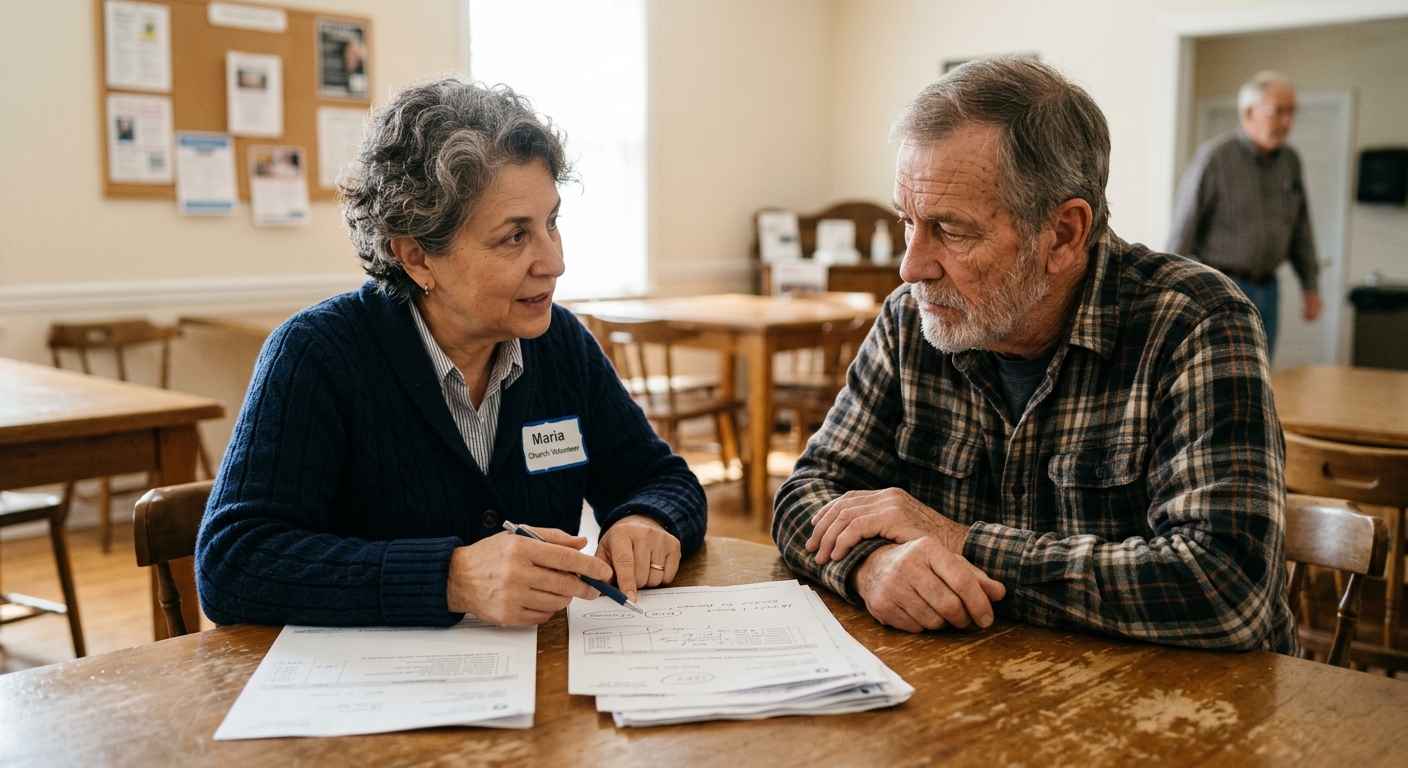
In an age where political divides seem insurmountable, one church in North Carolina is showing that medical debt might just be the issue that bridges the gap. The Trinity Moravian Church in Winston-Salem has kicked off its “Debt Jubilee Project,” a mission dedicated to easing medical debt for locals. This endeavor has managed to bring together church members of all political stripes, finding support from conservatives and liberals alike.
A Mission That Transcends Politics
Reverend John Jackman, who heads the congregation, describes his flock as a “purple congregation,” a place where conservative Republicans and liberal Democrats find common ground. Even with differing views on hot topics like immigration and healthcare, they’ve united over the burden of medical debt. “This is the easiest money I’ve ever raised,” Jackman says, noting the enthusiasm of members who are ready to chip in $25 or $50 to help the cause.
Understanding the Crisis
The Debt Jubilee Project is part of a larger wave of church-led initiatives aiming to purchase and forgive medical debt — often for pennies on the dollar. This movement responds to the grim reality: around 100 million adults in the U.S. grapple with some form of healthcare debt, with over half having dealt with it at some point. Catherine Coe, a member who works in a hospital’s accounting department, sees the crisis firsthand. “I see people going into debt every minute of every day. We’re all just one medical bill from financial ruin.” Her insights highlight the precarious situation many face and the systemic changes needed.
A Patch of Common Ground
The Debt Jubilee Project’s success is a testament to shared values and collective action against a widespread societal problem. It’s even caught the attention of North Carolina officials, sparking discussions on how to tackle medical debt at the state level. Local actions like these, it seems, could pave the way for broader policy changes.
Shifting Narratives and Building Bridges
The work of Trinity Moravian Church is reshaping the conversation on healthcare and debt, steering away from partisan squabbles to collaborative solutions. Their efforts offer a roadmap for how Americans might come together on contentious issues by focusing on mutual values and goals.
“It’s definitely a purple congregation,” Jackman reflects, highlighting the unity found in diversity. “No matter our politics, we’re united by the belief that healthcare debt is deeply unfair.”
As the church forges ahead with its mission, it stands as a beacon of the power of grassroots efforts to drive meaningful change. Perhaps compassion and collaboration can indeed bridge even the widest of political divides.
No Comments