





01 Jul FIFA’s Controversial U-15 World Cup Decisions
The Intersection of Sports and Politics: FIFA’s Controversial Decisions and Their Impact on Global Narratives
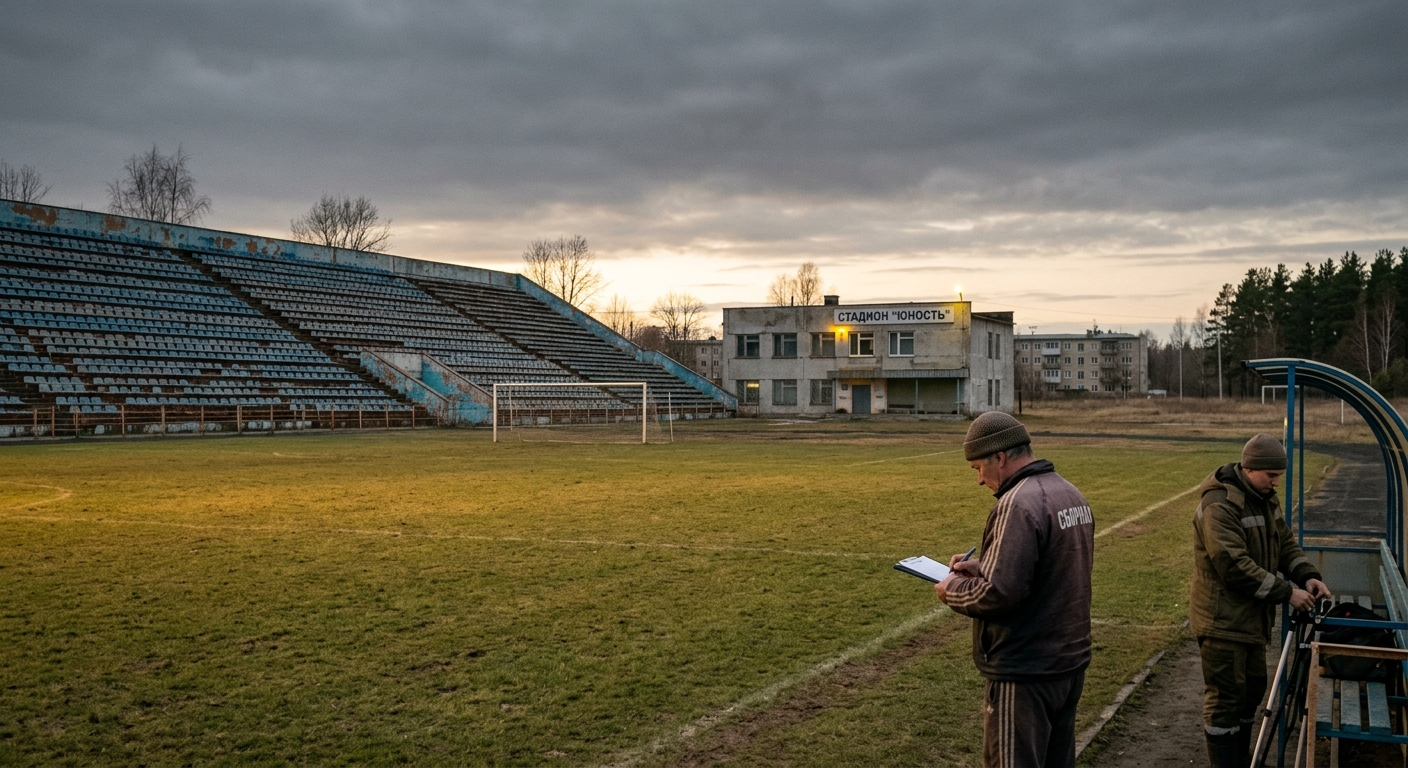
Sports often mirror global political dynamics, and FIFA’s recent actions are a prime example. Allowing Russian teenagers to play in the new U-15 World Cup? That stirred up quite the controversy. Critics argue this move by FIFA, led by Chief Gianni Infantino, gives Moscow a backdoor return to the international arena despite ongoing geopolitical tensions. European officials aren’t thrilled.
FIFA’s Decision: A Political Playground
Including Russian participants in the U-15 World Cup isn’t just about sports—it’s a nod to the tangled political web global sports bodies navigate. This decision underscores the sway sports organizations have over political narratives and international perceptions. For some, it seems FIFA’s trying too soon to normalize Russia’s place on the global stage, despite existing disputes and sanctions.
A Map of History: Bosnia’s World Cup Team
Meanwhile, Bosnia’s World Cup team tells a different story, one rooted in history’s scars. Their roster reads like a map of refugee paths from the 1990s genocide. It’s a compelling human narrative of resilience and survival. These athletes aren’t just playing for their country; they’re embodying the enduring legacy of past conflicts.
Royal Engagements and Political Implications
Just to spice things up, European royals attending the World Cup have added another layer of political debate. One elected leader faced heat over what was branded as a taxpayer-funded “World Cup jolly.” It highlights how sports events often become arenas for political scrutiny. Not the first time, either.
Serena Williams: A Symbol of Resilience
Over in tennis, Serena Williams is making waves with her Wimbledon return. Despite tweaking her knee in her first singles match in years, she showed her trademark competitive spirit. Her daughters inspired her comeback, a testament to perseverance and passion. Even after years away, Williams’ return is a powerful symbol of human resilience, transcending sports.
Concluding Thoughts
These stories from the sports world reveal deeper cultural and political currents. Whether it’s FIFA’s polarizing decisions, athletes embodying historical narratives, or the political stir caused by public figures at sports events, there’s much to unpack. In today’s world where sports, politics, and culture increasingly overlap, understanding these intersections is key to challenging traditional narratives and fostering independent thought.
No Comments