




05 Jul Political Maneuvering in the 2026 World Cup
The Unseen Game: Political Maneuvering Behind the World Cup
The 2026 FIFA World Cup isn’t just about athletic feats and global camaraderie. Beneath the surface, there’s a tangled web of political maneuvering and behind-the-scenes influence. At the center of this complex network are events highlighting how sports and politics intertwine, shedding light on the forces shaping international relations and domestic policies.
Lutnick’s Diplomatic Dinner
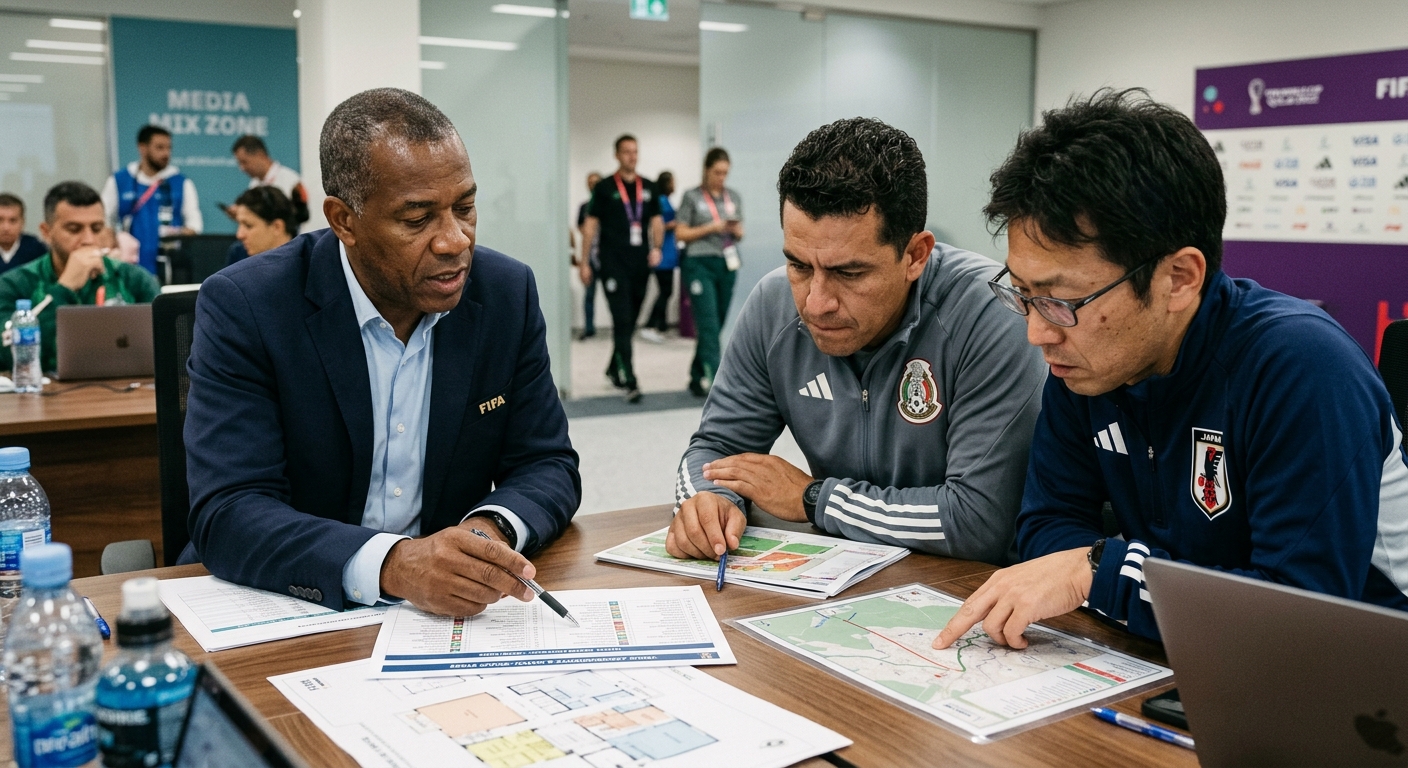
Imagine a dinner table with Gianni Infantino, FIFA President, and key insiders, including Commerce Secretary Howard Lutnick. This gathering wasn’t just a friendly meeting—it revealed the deep political ties within soccer’s world. High-ranking officials cultivate strategic relationships with global sports organizations, and it’s more than just ceremony. They were busy lobbying for outcomes like lifting U.S. striker Folarin Balogun’s red card, crucial for his participation in key matches.
Presidential Intervention
President Donald Trump’s keen interest in Balogun’s situation highlights the political stakes in sports outcomes. His rapid involvement after the striker’s red card shows the administration’s dedication to using all channels to secure national success on a global stage. This move shows how sports can be a channel for national pride and soft power triumphs.
US-Belgian Tensions
Then there’s Brussels. U.S. Ambassador Bill White, known for his flamboyant flair, stirred the pot during the July 4th celebrations there. It’s not just an isolated incident—it adds depth to the ongoing U.S.-European relations narrative. His actions underscore how personal dynamics can shape diplomatic ties, reflecting the broader implications of individual behavior on international perceptions.
Cultural Echoes: Oasis and English Pride
Across the channel in England, the enduring influence of bands like Oasis echoes during major events like the World Cup. Their music provides a nostalgic backdrop to England’s sporting and political life, bolstering national identity and pride. Manchester’s Mayor, Andy Burnham, taps into this cultural heritage to connect with the public. It’s a testament to how cultural icons can be wielded to spur unity and excitement.
Political Figures in the Crowd
The World Cup isn’t just for athletes—it’s a stage for future political hopefuls, too. Pennsylvania Governor Josh Shapiro’s vibrant presence at the games hints at his ambitions to connect with the public on a bigger scale. It’s a signal that he might be gearing up for future political campaigns. This reminds us how sporting events can boost a politician’s image and relatability.
The Intersection of Sport and Politics
These interconnected stories illuminate the complex relationship between sports and politics. Decisions off the field can heavily influence the play on it. From diplomatic dinners to presidential interventions, the World Cup mirrors the power dynamics and strategic maneuvers shaping our world. As nations cheer for their teams, the underlying political strategies remind us that the beautiful game stretches beyond the pitch—influencing perceptions, building relationships, and charting the course of international diplomacy.
No Comments