





08 Jul Global Political Shifts: Key Developments Analyzed
Global Political Shifts: Unpacking Recent Developments in Key Regions
These past weeks have been a whirlwind on the global stage. From Bernie Sanders urging a colleague to resign over sexual misconduct allegations, to President Trump’s controversial NATO summit comments, and Marine Le Pen’s legal woes in France, the political landscape is ablaze. Such events underscore the tangled web of political influence and how the public perceives these maneuvers around the world.
Sanders’ Stance on Sexual Misconduct
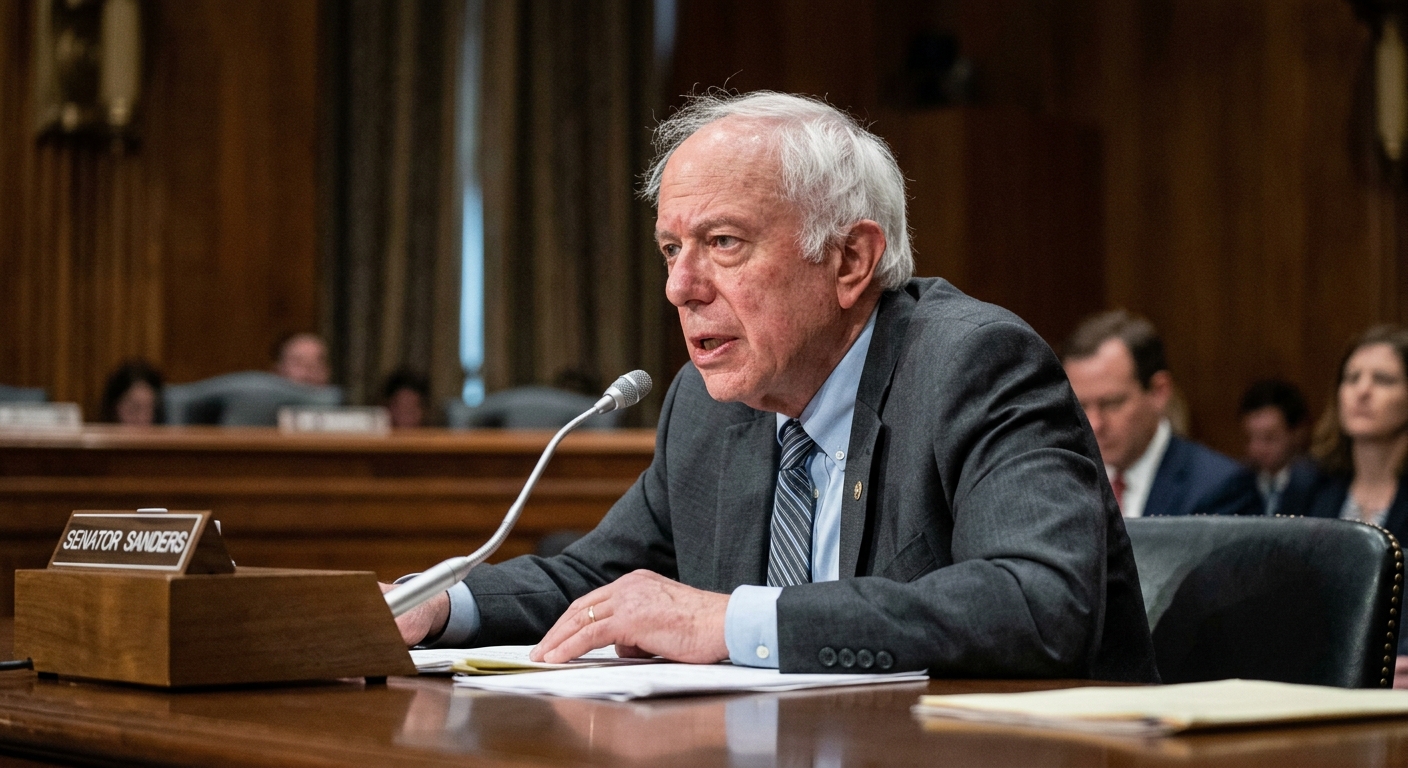
Senator Bernie Sanders publicly called for Graham Platner’s resignation after allegations of sexual assault surfaced. It’s a bold move reflecting a broader cultural change in politics, where both the public and decision-makers demand more accountability and transparency. As political stories shift, leaders are increasingly expected to take clear stances on moral and ethical issues. Not the first time, either.
Trump’s NATO Summit Controversies
The NATO summit in Turkey saw President Donald Trump sparking heated discussions on U.S. foreign policy and defense alliances. His relentless criticism of European defense budgets and the proposal to sell F-35 fighter jets to Turkey, despite opposition, suggest a more transactional approach to international relations. This shift raises questions: Are traditional alliances being sacrificed for immediate national benefits?
Le Pen’s Legal Challenge and Its Electoral Implications
Over in France, Marine Le Pen’s embezzlement conviction and consequent electronic ankle monitor have stirred the political pot just as presidential elections loom. While she plans to appeal, the situation throws a spotlight on the intersection of legal accountability and election strategies. France’s use of electronic monitoring instead of imprisonment aims to tackle prison overcrowding while ensuring the law is followed. More on that below.
Public Lands Grazing Regulation Overhaul
Back in the U.S., the Bureau of Land Management’s proposed changes to public lands grazing regulations are ruffling feathers. The new rules, which could limit public participation, might prioritize economic gains over environmental concerns. This stirs up a debate on how to balance resource use with conservation needs.
Implications and Future Perspectives
These global developments spotlight the varied challenges political systems face today. From navigating ethical governance and international diplomacy to managing judicial procedures and environmental policies, public perception is shaped by a complex mix of narratives. As these tales unfold, they remind us of the delicate dance between power, accountability, and how the public is engaged in crafting the future of global politics.
No Comments