






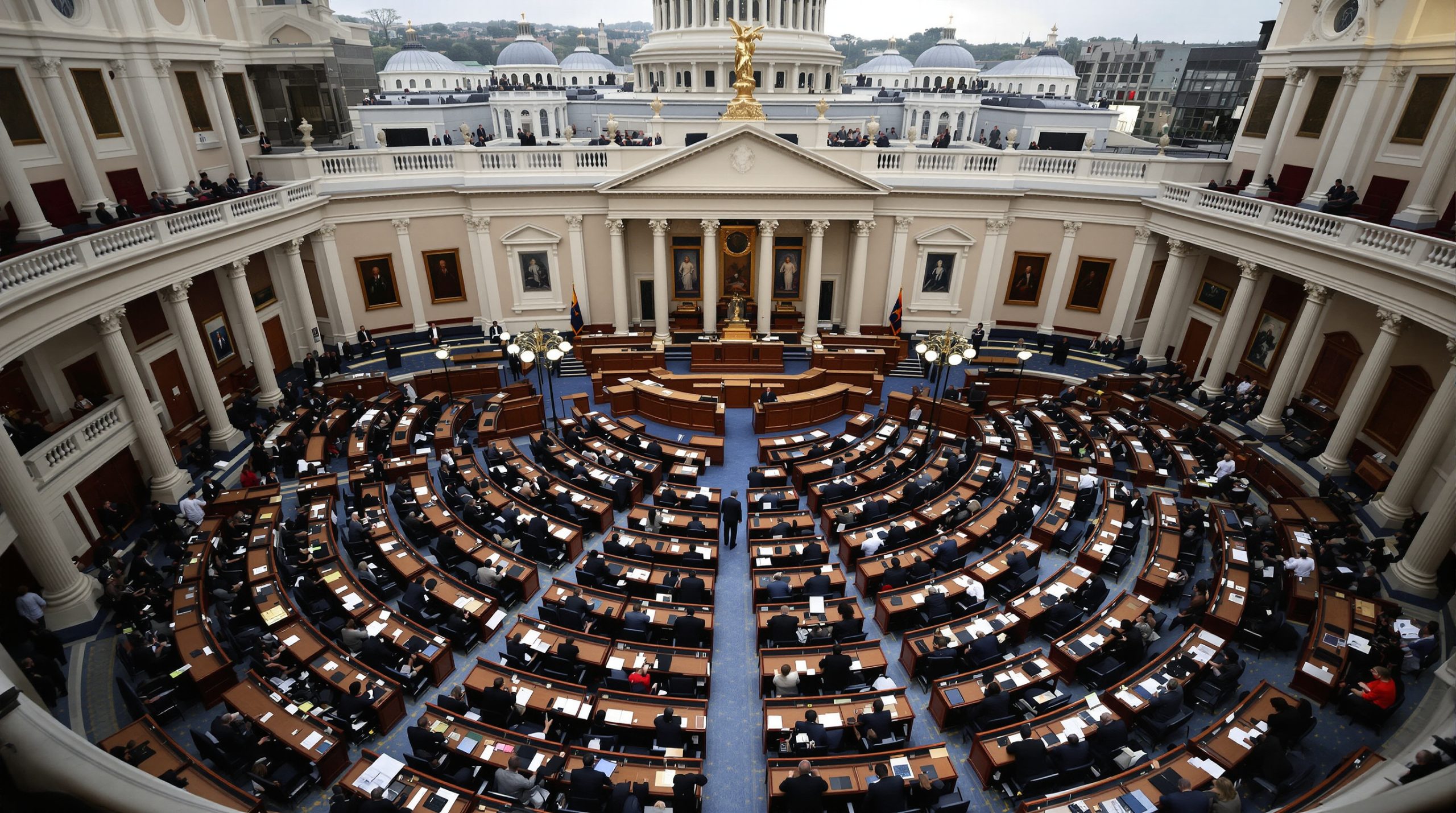
11 Jul Political Standoffs and Public Perception Insights
The Unseen Impact of Political Standoffs and Public Perception
The headlines may change daily, but the simmering tensions within today’s political scene reveal much about governance and public perception. Recent events, such as the tragic death of Nolan Wells and legislative wrangling over housing affordability, sketch a deeper story unfolding across the United States.
Nolan Wells: A Case of Unanswered Questions
Nolan Wells, an 18-year-old Black teenager, vanished during a boat trip with friends, and his mysterious death has sparked significant public debate. Authorities have suggested accidental drowning, yet the involvement of civil rights attorney Ben Crump and Rev. Al Sharpton—pushing for a thorough investigation—underscores societal distrust of official narratives, particularly in racially sensitive cases. There’s a clear call for transparency and trust between law enforcement and communities, a trust that seems increasingly on shaky ground.
Housing Legislation: A Study in Political Standoff
In the legislative trenches, the 21st Century Road to Housing Act became law without President Trump’s signature—a rare political maneuver that illustrates the intricate dynamics within the U.S. government. Despite bipartisan support due to the urgent need to tackle spiraling home prices, Trump’s refusal to sign the bill unless paired with the SAVE America Act reflects a broader strategy of leveraging legislative priorities to push partisan agendas. This standoff didn’t just delay critical housing reforms; it spotlighted how political games can overshadow pressing economic issues that impact everyday Americans.
Public Perception and Media Influence
Media narratives wield a powerful influence over public perception. Take, for example, the AI-generated video featuring Rosie O’Donnell and former President Trump—a seemingly minor event that nonetheless echoes the cultural and political divides magnified by digital platforms. Moreover, the portrayal of Taylor Swift’s wedding as “America’s royal wedding” shows how cultural events are framed to resonate with national identity, often steering attention away from more substantive issues.
The Intersection of Politics and Public Trust
A tapestry of narratives is woven by these varied events—from personal tragedies to legislative complexities—that shape public discourse. They emphasize the importance for media and public figures to navigate this landscape carefully, prioritizing facts, transparency, and accountability over sensationalism or partisan gain.
As the nation nears pivotal electoral moments, grasping these dynamics is crucial. They shape public opinion and guide the political and cultural shifts that will define the future of American society. In an era where information is bountiful yet often conflicted, discerning the signal from the noise becomes not only a civic duty but an essential skill.
No Comments