






14 Jul Judicial Manipulations and Senate Standoffs in U.S. Politics
Judicial Manipulations and Senate Standoffs: The Complex Web of U.S. Politics
U.S. politics never fails to intrigue, with this week offering a glimpse into its complex dance. A judge’s firm hand against former President Donald Trump and a Senate deadlock over defense spending are making headlines. Both highlight the perpetual tensions and shifting dynamics within the nation’s legislative and judicial arenas.
Manipulating the Judicial Process: Trump’s Latest Legal Challenge
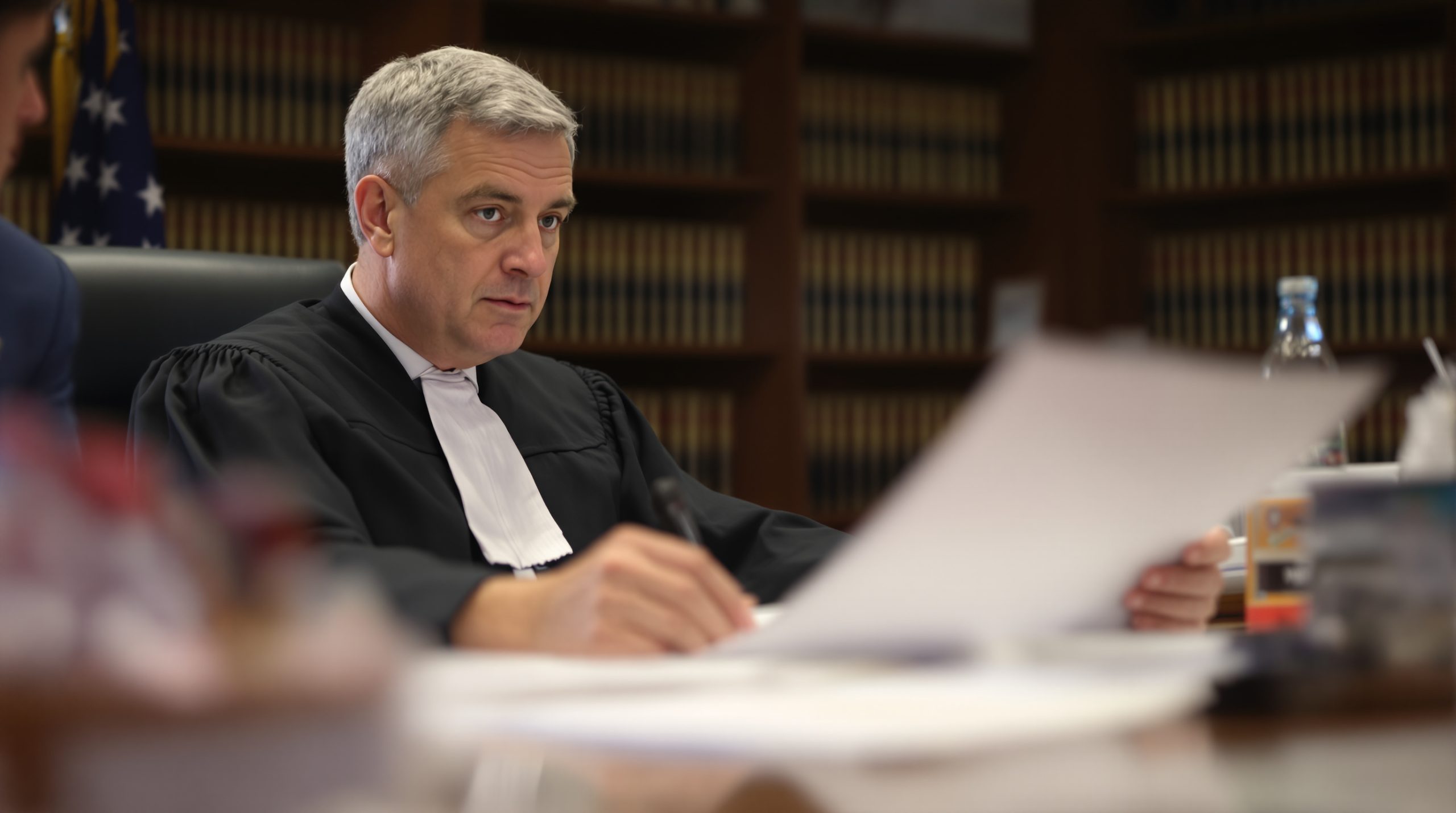
A fresh judicial ruling has sent ripples through the political sphere. U.S. District Judge Kathleen Williams accused Donald Trump of trying to “manipulate the judicial process” in a lawsuit against the IRS. This case, involving a hefty $10 billion over leaked tax returns, originally ended with Trump being granted immunity from tax audits. Yet, Judge Williams has now blocked Trump, his family, and legal team from using this deal in future proceedings, effectively stripping away that immunity.
This decision raises eyebrows about the legality of the initial agreement and hints at potential sanctions for Trump’s legal team, including Acting Attorney General Todd Blanche. The ramifications here could reach beyond Trump, possibly shaping legal tactics in high-profile political cases.
Senate Democrats Block Defense Bill Amid Iran Tensions
Meanwhile, the drama continues on Capitol Hill. Senate Democrats have drawn a line against a $1 trillion annual defense bill, voicing their opposition to Trump’s military activities in Iran. The National Defense Authorization Act (NDAA)—usually a bipartisan slam dunk—was halted in a 50-46 vote. This action underscores a growing unease with the current military strategy and its foreign policy consequences.
Senate Democratic Leader Chuck Schumer didn’t mince words, emphasizing the need for accountability in military decisions. “The NDAA cannot become a permission slip for that recklessness that we see occurring in Iran,” Schumer declared, highlighting the Democrats’ worries about unchecked executive power.
Despite this roadblock, Senate Majority Leader John Thune remains hopeful about revisiting the bill. The setback sparks deeper discussions about defense priorities and budget considerations, especially given the contentious international landscape.
A Broader Context: The Politics of Influence and Accountability
These stories are more than just fleeting headlines—they’re chapters in a larger narrative about power, influence, and accountability in U.S. politics. Trump’s legal hurdles and the Senate’s defense bill impasse show the intricate interplay between government branches, each pushing its own agenda.
As these scenarios unfold, they underscore the checks and balances that are the backbone of the U.S. political system. Through judicial verdicts or legislative stoppages, the conversation between branches continues to mold the nation’s political and legal terrain, reminding us of the complex weave of policy, law, and political maneuvering.
No Comments