






15 Jul Gibraltar’s Border and America’s Reading Decline
The Disappearing Borders and Waning Reading Habits: A Reflection on Cultural and Political Shifts
We’re living in times of swift change—two events, seemingly unrelated, highlight a significant cultural and political transformation: Gibraltar’s border with Spain vanishing after 118 years and the dwindling reading habits of Americans. These developments, though distinct, underscore a major shift from old perspectives and interactions with the world.
Gibraltar’s Border: A Symbol of Political Reconciliation
On the global stage, the erasure of the Gibraltar-Spain border marks a monumental step towards reconciliation and cooperation. For over a century, this border has been contentious, rooted in complex historical and political narratives. Its removal is more than just a logistical shift; it’s a profound change in regional relations. This move provides a model for easing longstanding geopolitical tensions, favoring dialogue and collaboration over division.
As this change unfolds, we’re prompted to consider its wider implications for international diplomacy. The dissolution of such a symbolic border pushes us to rethink sovereignty and identity narratives in our increasingly interconnected world.
The Vanishing Culture of Reading
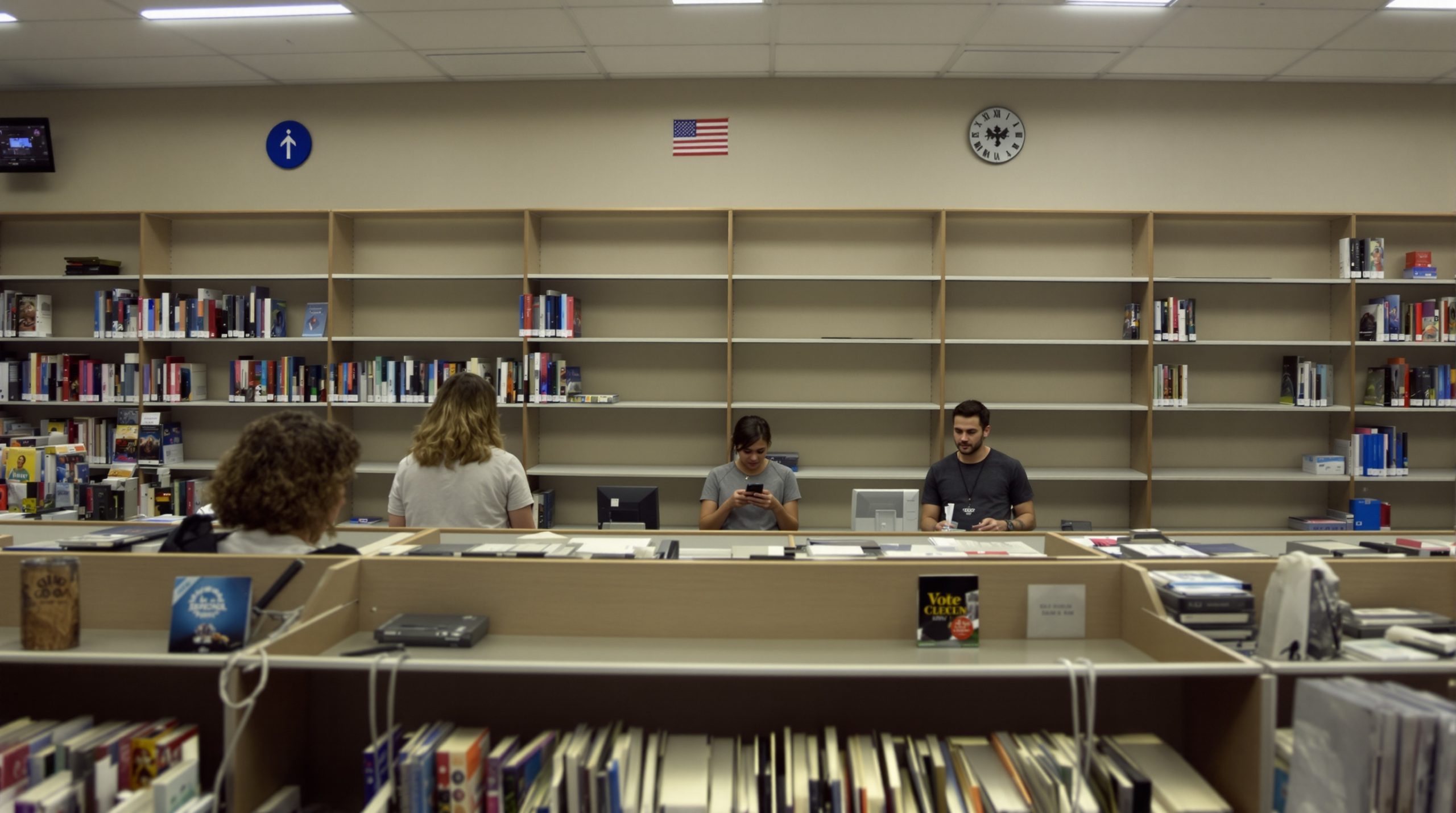
Simultaneous with these political shifts, cultural changes are taking place, particularly in reading habits. Though relatively new as a widespread practice, reading has been crucial for spreading culture and knowledge. But recent studies show a sharp decline in reading for pleasure among Americans, raising fears of entering a “post-literate age.”
The National Endowment for the Arts notes that less than half of American adults picked up any book in 2022, with only 38% reading novels or short stories. This decline mirrors a broader cultural shift where digital media and visual content take over traditional reading. It raises vital questions about how culture and knowledge will be passed down in the future.
“This is bigger than what the statistics are showing us,” says Rose Horowitch of The Atlantic. “We’re entering what I call a post-literate age, where reading as a major cultural practice is fading.”
As society moves away from text-based communication, we must reevaluate how information is consumed and what this means for critical thinking and independent thought.
Intersections of Change: A New Era of Understanding
While the removal of Gibraltar’s border and the decline in reading might seem unconnected, both reflect a broader theme of societal transformation in how we function and interact. These changes challenge us to question established narratives and embrace new forms of engagement—whether through geopolitical collaboration or evolving cultural practices.
In an age overflowing with information, platforms like Purple Voice play a vital role in navigating these changes, encouraging discussions that transcend traditional boundaries. As these transformations unfold, the challenge lies in leveraging them to cultivate a more inclusive and informed global society.
No Comments