






16 Jul FEMA’s Rural Challenge in Disaster Response
FEMA’s Rural Challenge: Navigating Disaster Response Amid Policy Shifts
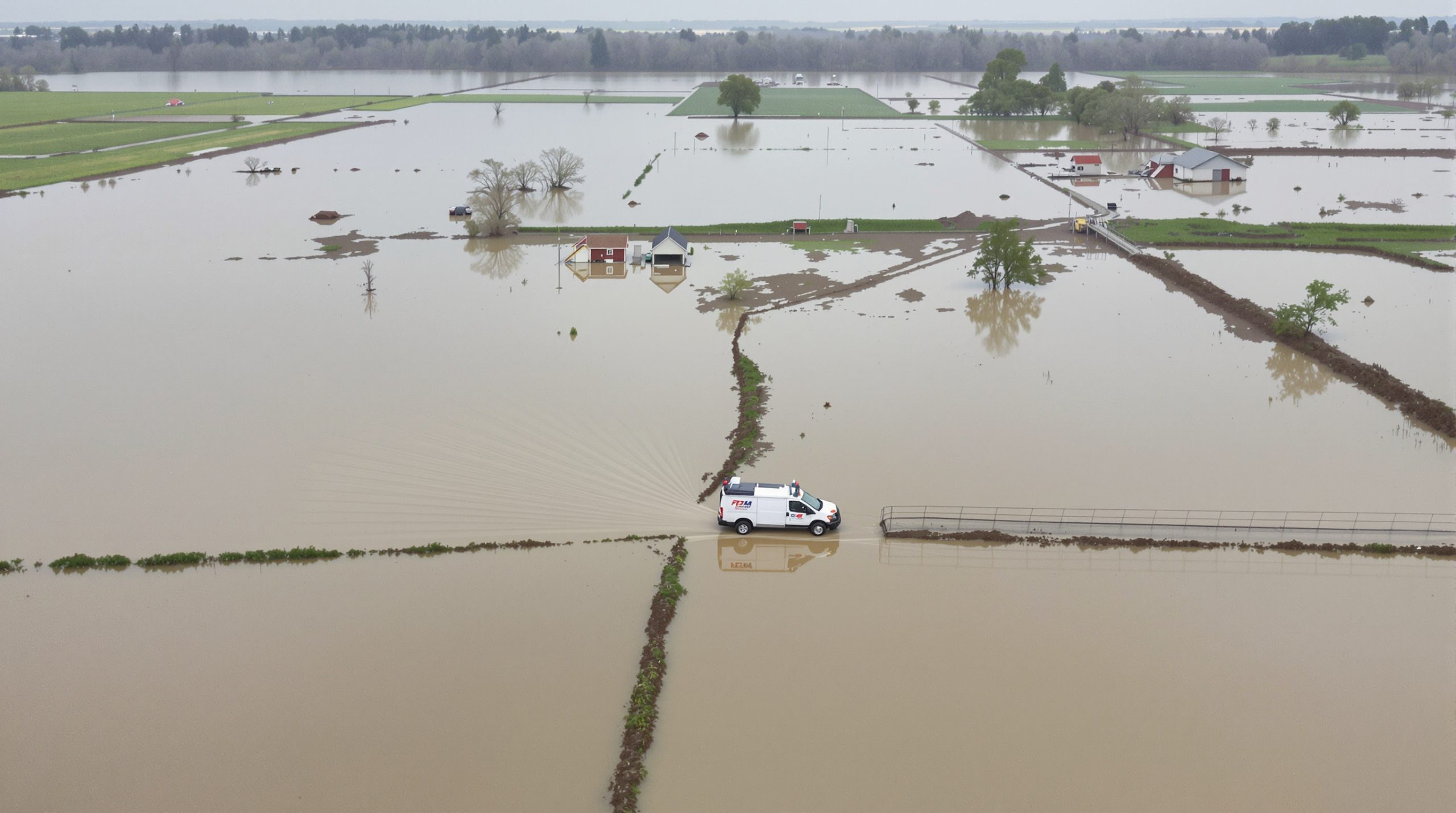
The Federal Emergency Management Agency (FEMA) is at a crossroads, dealing with the distinct disaster response needs of rural areas. Recent data paints a stark picture: rural counties have shouldered the brunt of nearly two-thirds of major U.S. disaster declarations from 2016 to 2025. Yet, they make up just 14% of the country’s population.
Rural Vulnerabilities and FEMA’s Role
Disaster response in rural regions is fraught with challenges—limited budgets, staffing gaps, and administrative hurdles often slow federal aid distribution. Take Hurricane Helene in 2024, for instance. It left behind nearly $60 billion in damage in rural North Carolina, nearly doubling the state’s annual budget. A stark reminder of why FEMA’s support is essential.
FEMA is a lifeline for these communities, but its effectiveness is under the microscope. As reforms loom under the Trump administration, there’s worry about how changes might impact FEMA’s support for rural areas. Such reforms could shift staffing and policy, further complicating recovery efforts.
Policy Shifts and Their Implications
These policy changes come during a time when disasters are not just more frequent but also more intense and costly. Since 1980, damages from these events have surpassed $2.9 trillion according to the National Oceanic and Atmospheric Administration. With annual damages topping $149 billion from 2020 to 2024, effective disaster management is more crucial than ever.
Rural communities, without the resources of urban centers, shoulder an outsized burden. Their survival hinges on robust disaster response and recovery. Any FEMA reforms must weigh the unique needs of these areas to ensure they’re adequately supported.
A Call for Comprehensive Reform
Experts and stakeholders are calling for reforms that enhance FEMA’s ability to tackle rural challenges. Suggestions include better resource distribution, streamlined admin processes, and increased local capacity for disaster management. As Congress and the administration debate FEMA’s future, a nuanced approach that addresses rural America’s needs is vital.
“The extent to which FEMA’s resources have been supporting rural areas, and recommendations as Congress and the administration consider changes to FEMA’s role and processes, will be crucial in determining the future viability of rural communities facing disasters.”
As natural disasters grow in number and intensity, FEMA’s path forward must be shaped by a strong understanding of the rural landscape and a pledge to not leave these communities behind.
No Comments