






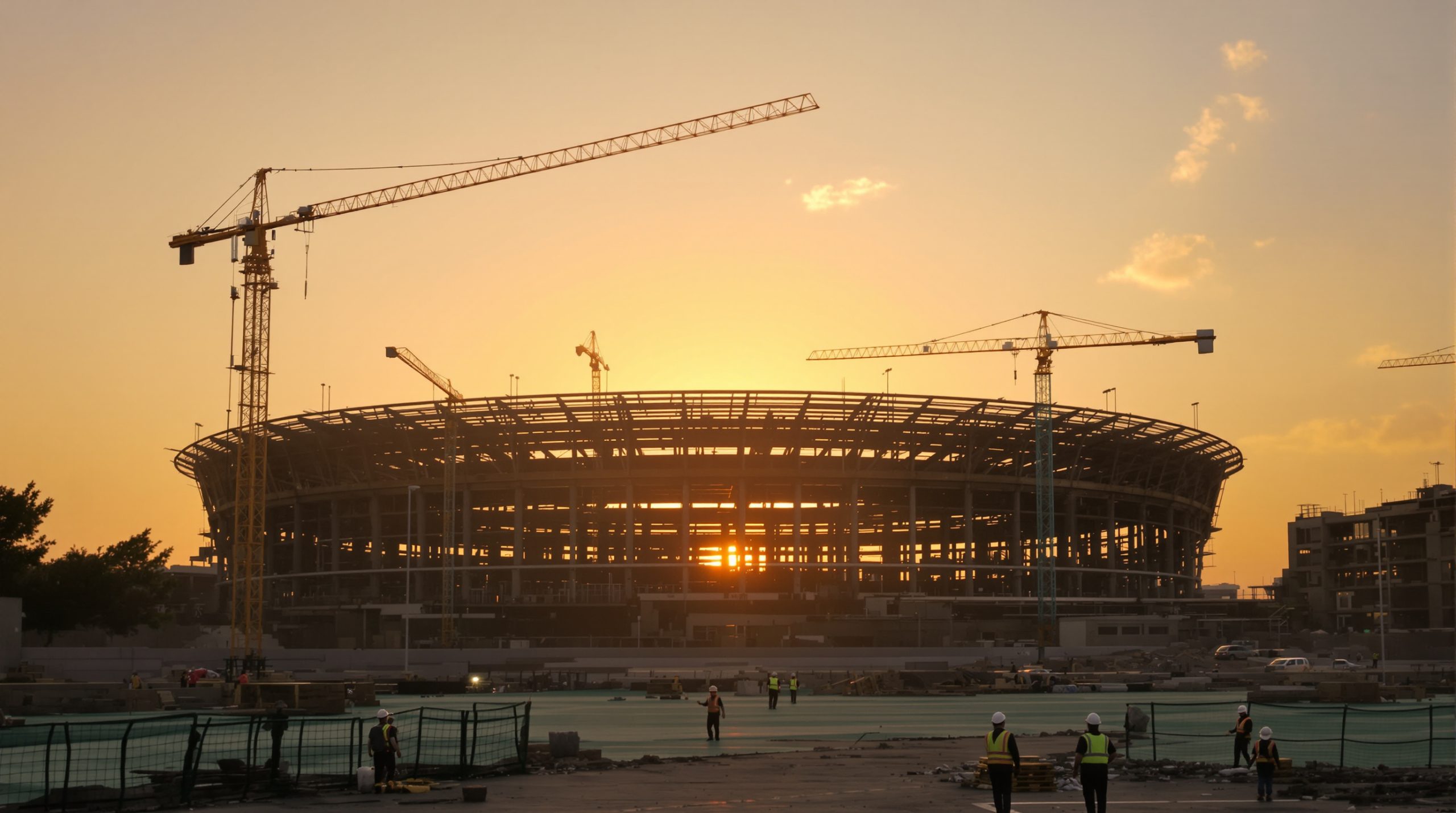
19 Jul Sports and Politics: The 2026 World Cup Connection
The Intersection of Sports, Politics, and Lobbying: A New Era of Influence
As anticipation builds for the 2026 World Cup, it’s clear that sports, politics, and lobbying are now deeply entwined. The global event isn’t just about showcasing athletic talent; it’s also a stage for political maneuvering and influence. This reflects bigger trends in political strategies and lobbying.
Clemency Lobbying: A Growing Industry
Meanwhile, clemency lobbying is on the rise, as NPR’s recent investigation reveals. During Trump’s second term, securing a presidential pardon shot up to a hefty $600,000. This burgeoning industry highlights the strategic use of influence in political circles, raising eyebrows about fairness and justice in the clemency process.
The Political Game Behind the World Cup
The 2026 World Cup—hosted by the U.S., Canada, and Mexico—isn’t just a sporting event; it’s a political trophy. Known as the United Bid, it saw significant influence from former President Donald Trump, turning the event into a symbol of political triumph. This blend of sports and politics shows how global events are leveraged for local political gains.
Politicians know these events can rally support and further agendas. Take the Democrats, for example. They’re using World Cup watch parties to engage young voters ahead of the midterms. It’s a strategic play to tap into World Cup excitement to boost voter registration.
The Influence of Media Framing
Media’s role in framing these narratives is crucial. Take a recent CNN interview with Michigan Senate candidate Dr. Abdul El-Sayed. The questions zeroed in on his past comments about Iran and Israel, showing how media platforms can shape political discourse and public perception.
Such examples demonstrate media’s power in influencing political narratives, often spotlighting specific issues while overshadowing others. This dynamic interaction between media, politics, and public perception is defining the political landscape, affecting how voters engage with both domestic and international issues.
Conclusion: Navigating a Complex Landscape
The merging of sports, politics, and lobbying highlights a complex landscape where influence and perception are key. As these sectors overlap more and more, understanding the mechanisms at play becomes essential for both policymakers and the public. The 2026 World Cup is a reminder of the multifaceted nature of influence today, where political strategies, media framing, and lobbying efforts are constantly redrawing the lines of power and public engagement.
No Comments