




22 Jul U.S. Defense Funding Amid Political Tensions
Amid Tensions and Budget Battles, U.S. Defense and Domestic Policies in the Spotlight
Washington’s recent political maneuvers underscore a tangled web of defense funding and domestic policy. Lawmakers are wrestling with challenges from an ongoing conflict with Iran, upcoming midterm elections, and the threat of a government shutdown. It’s a tricky balance of priorities in U.S. governance.
Defense Secretary Faces Scrutiny Over Iran War Funding
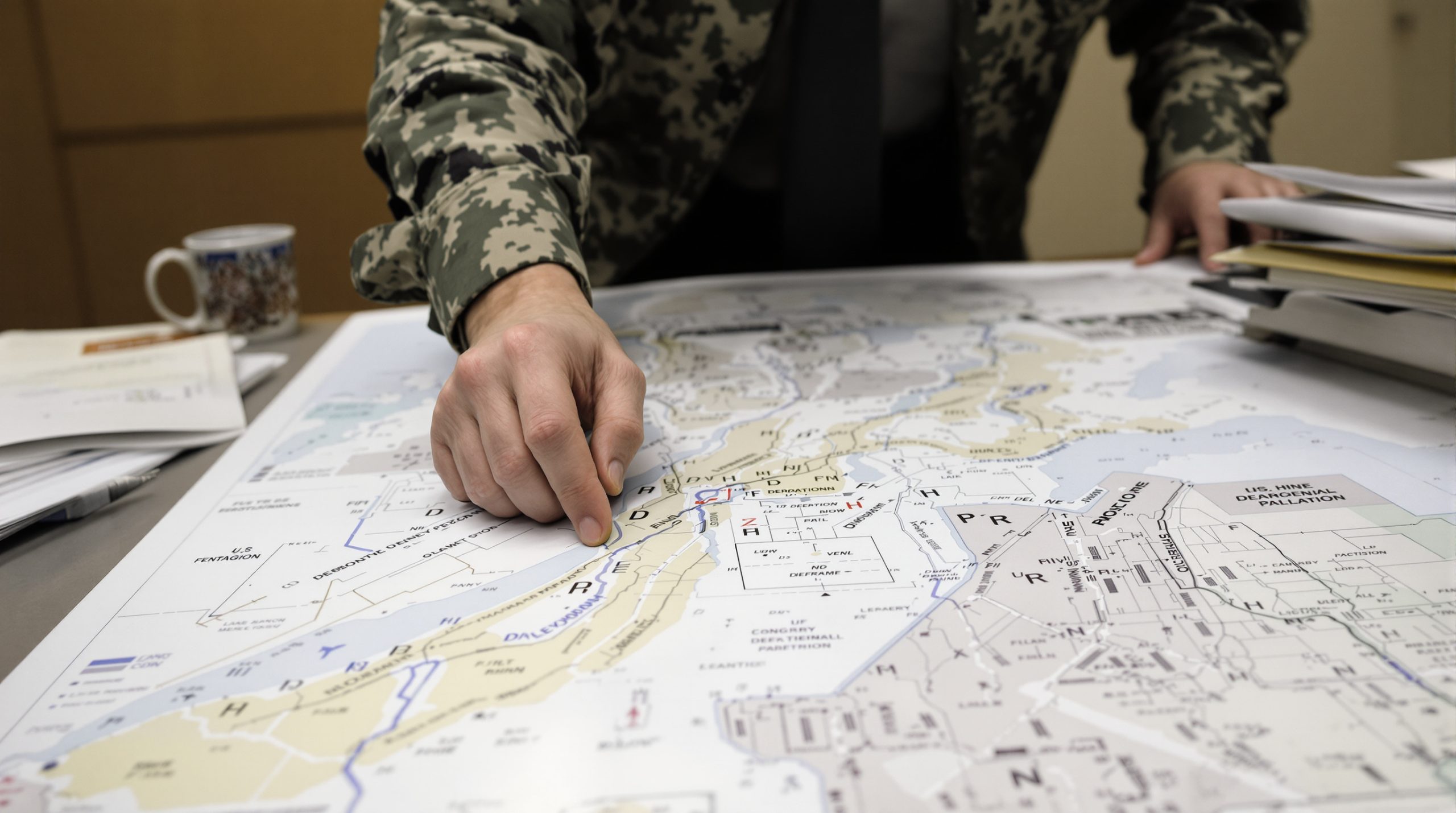
Defense Secretary Pete Hegseth’s request for additional funds amidst escalating tensions with Iran has sparked heated debate on Capitol Hill. The administration is asking for $67 billion to replenish military resources and ensure troops are ready. But why? The rationale faces skepticism, especially since this war lacks explicit congressional authorization.
Lawmakers from both sides expressed concerns in a fiery Senate hearing, questioning the U.S.’s strategic goals and the long-term impact of its engagement in Iran. These questions reflect wider worries about unchecked military spending and the administration’s foreign policy. Republican Senator John Kennedy’s demand for clarity on Iran’s nuclear capabilities underscores bipartisan calls for transparency.
Early Passage of Stopgap Funding Bill
In a surprising move, the House passed a stopgap funding bill way ahead of the fiscal year deadline to prevent a government shutdown before the critical midterm elections. It’s a proactive step to sidestep potential electoral backlash from government dysfunction.
The measure, which extends funding until December 4, passed mainly along party lines. House Speaker Mike Johnson challenged Democrats to oppose the bill. Republicans claim it will keep the government running and focus on other legislative priorities. Meanwhile, Democrats criticize it for lacking bipartisan negotiation and excluding key policy provisions.
The Intersection of Defense and Domestic Policy
These developments are part of shifting political dynamics where defense and domestic policies increasingly overlap. As substantial defense funding needs arise, so do domestic challenges like the unprecedented outbreak of cyclospora infections and other public health concerns.
The upcoming midterm elections add urgency. Parties are strategizing to secure voter support. The Republican Jewish Coalition backing Darline Graham for her strong pro-Israel stance is a case in point. Meanwhile, NASA’s ongoing efforts, like the Psyche probe’s mission to Mars, highlight diverse priorities vying for government attention and funds.
Lawmakers must navigate these complex issues. The interplay of defense needs, domestic demands, and electoral strategies will continue shaping the U.S. political landscape, affecting both policy outcomes and public perception.
No Comments