






24 Jul South Carolina’s Key Role in 2028 Democratic Primaries
South Carolina’s New Role in the 2028 Democratic Primary Calendar
The Democratic National Committee (DNC) is shaking things up for the 2028 primary elections, putting South Carolina front and center. Why? To focus on Black voters, a key demographic for Democrats. This shake-up came after a panel vote, bumping South Carolina ahead of the usual early birds—Nevada, New Hampshire, and Iowa.
The Strategic Shift
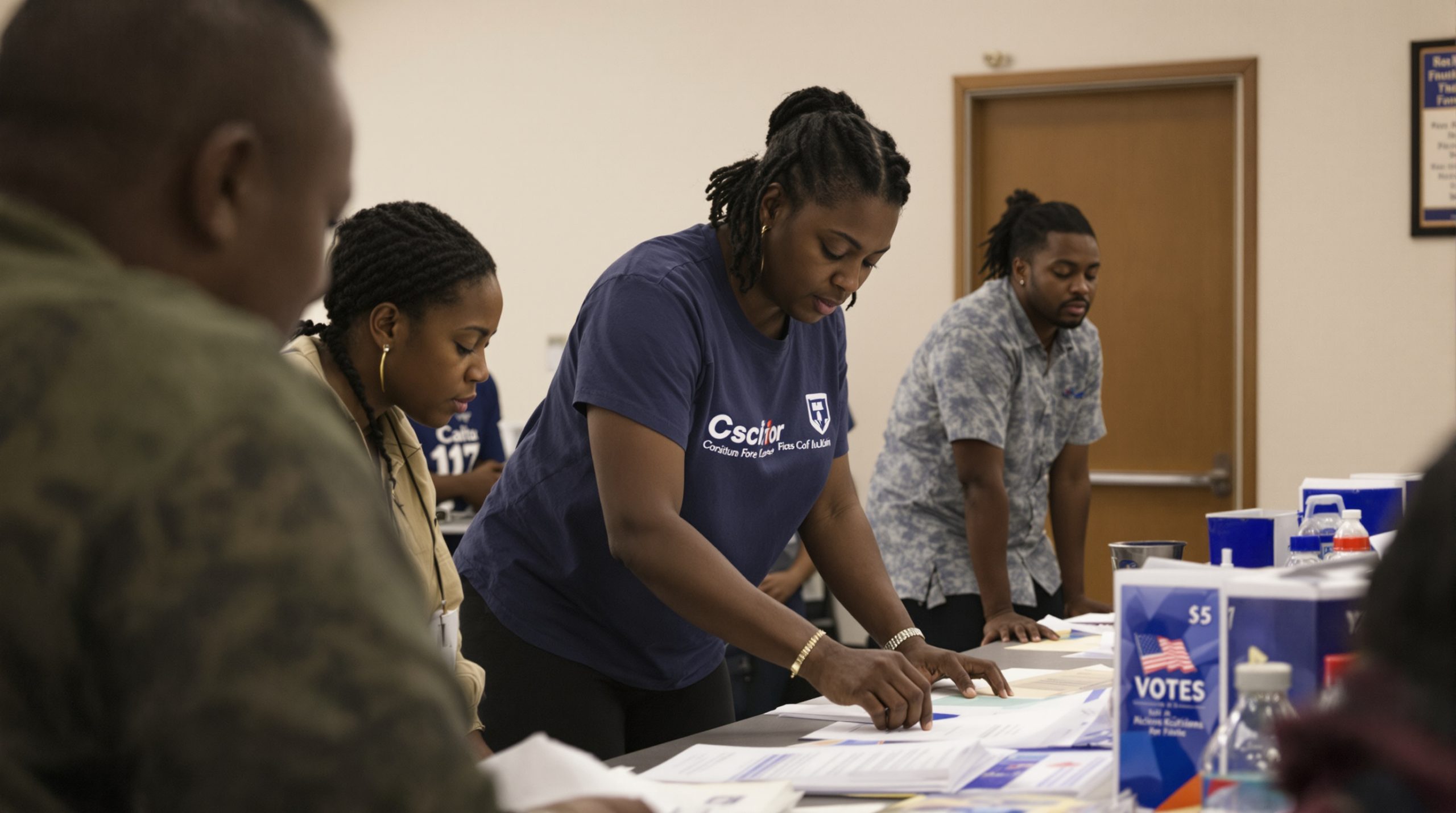
Mark your calendars: South Carolina’s primary is set for January 22, 2028. This sidesteps the traditional early start by Iowa and New Hampshire. It’s a move that highlights how much the Democratic Party values South Carolina’s diverse electorate—the kind that played a big part in Joe Biden’s 2020 nomination. Nearly one in four registered voters there is Black. Significant, isn’t it?
Christale Spain, chair of the South Carolina Democratic Party, didn’t mince words: “The South is not the past, we are the future.” The party’s pulling out all the stops to appeal to a wider demographic and test candidates with influential voting blocs.
Balancing Diversity and Influence
Nevada almost snagged the first spot, thanks to its mix of Latino, Black, Asian American, and Native American communities. Advocates there say Nevada’s electorate gives candidates a real run for their money. But, concerns about how quickly the state could count votes might have swayed the decision.
The new primary calendar also moves up Nevada, New Hampshire, New Mexico, Michigan, and Virginia, allowing these states to host early contests before Super Tuesday on March 7, 2028. This method aims to give different states with diverse populations a chance to weigh in early.
Implications for the Democratic Strategy
More than a logistical tweak, this reordering is a strategic gambit as the party responds to shifting demographics and voter priorities. Giving South Carolina and Nevada the spotlight underscores the Democrats’ awareness of minority voters’ growing clout.
As the 2028 open primary approaches, this move signals a calculated risk to prioritize states with hefty Black and Latino populations. It’s a decision that might just tilt the scales, affecting which candidates catch fire early on.
Looking Ahead
This change in the primary calendar is part of the Democratic Party’s broader push to better reflect its diverse voter base. They’re answering past criticisms about how early voting was handled by prioritizing states with large minority populations. The aim? To keep pace with the changing political landscape and ensure candidates resonate broadly.
While the calendar still needs the full DNC’s nod in August, everyone’s watching to see how these changes will play out in 2028—and whether they’ll set a new standard for the future. This move marks a step toward making sure diverse community voices are heard and represented from the get-go in the presidential nominating process.
No Comments