






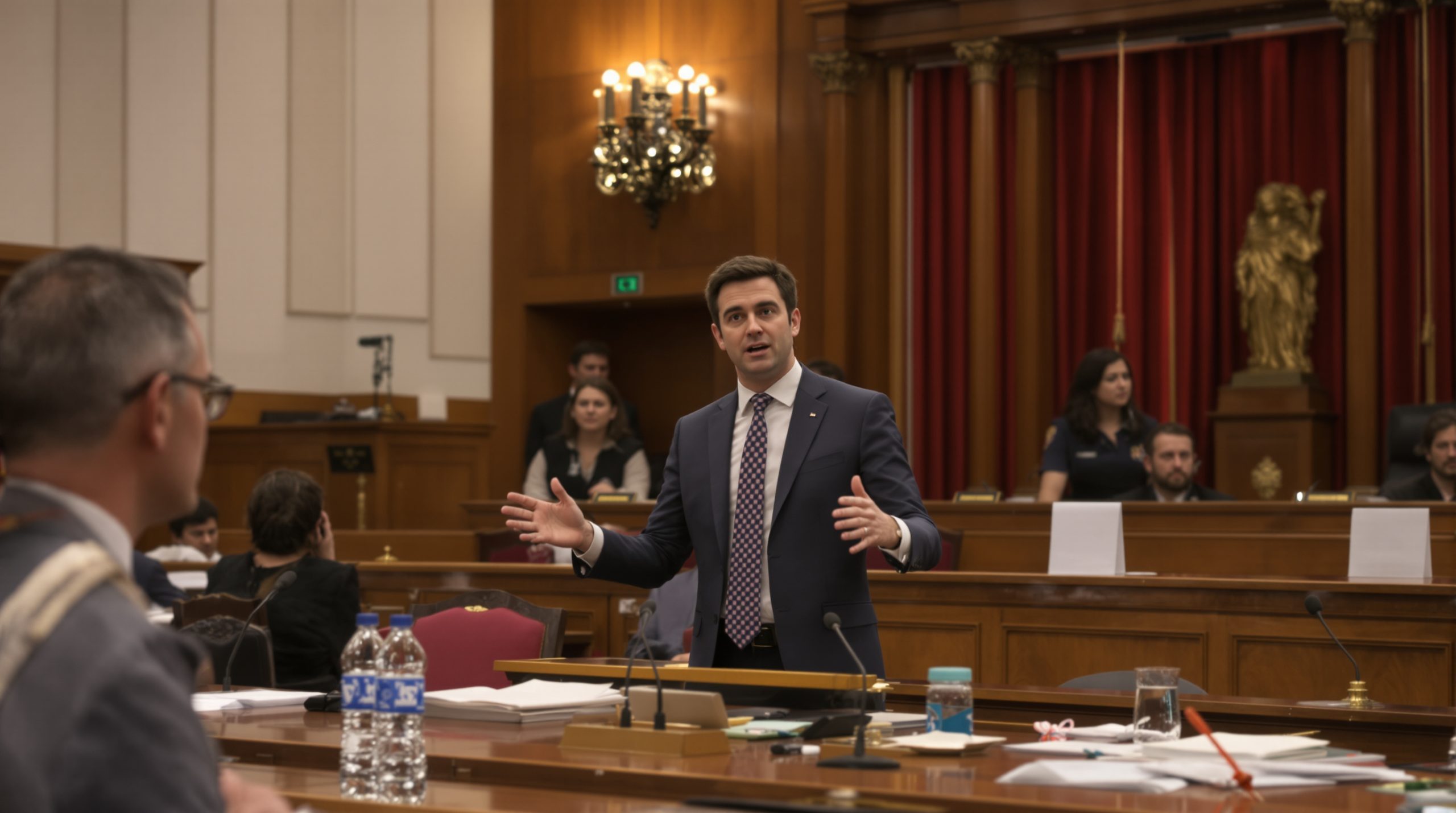
25 Jul UK Prime Minister Andy Burnham’s Decentralization Plans
UK’s New Prime Minister Andy Burnham: A Decentralization Agenda
Andy Burnham isn’t just making minor adjustments. He’s shaking up British politics with a bold promise to move power away from London. Taking charge after Keir Starmer’s removal, Burnham’s already making waves. He’s rolled out a burst of economic initiatives and has even set up a “No. 10 North” office in Manchester. It’s a move that aims to tackle regional inequalities and spur growth across the UK.
A Symbolic Shift in Britain’s Political Landscape
Moving some of government operations to Manchester is more than a change of scenery. It’s Burnham’s way of redistributing power. By zeroing in on regional empowerment, he’s addressing old economic disparities that have left post-industrial cities and coastal towns languishing. Some critics, including a few opposition politicians, call the northern office a gimmick. However, Burnham remains steadfast, describing it as the “nerve center for a rewired Britain.”
“We are on borrowed time if we don’t get a move on,” said Housing Secretary Angela Rayner, underscoring the urgency behind Burnham’s plans.
Years of centralized governance have pooled wealth and resources in London, sidelining other regions. Burnham’s commitment to work from Manchester at least one day a week is a signal—he’s serious about shaking up the balance of power.
Foreign Policy Continuity Amidst Economic Challenges
Burnham may be focused on domestic issues, but he can’t sidestep the pressing international challenges. He’s vowed to maintain UK support for Ukraine and tackle global concerns, like Greenland’s geopolitical future. But with scant foreign policy chops, Burnham is navigating a tricky landscape. He’s trying to boost a sluggish economy—one that’s barely budged since 2009—while also stepping into the global arena.
His economic strategy includes eye-catching moves like cutting household electricity taxes and capping bus fares. Yet, the real challenge lies in funding public services sustainably without blowing up the fiscal deficit. The clock’s ticking for Burnham to prove his approach can deliver real economic gains across the UK.
Democratic Party’s Strategic Shift in the US
Meanwhile, stateside, the Democratic National Committee (DNC) is shifting gears. They’re putting South Carolina first in the 2028 presidential primary. It’s a clear nod to states with diverse populations, like Black and Latino voters—key players in the party’s base.
“Black voters didn’t just show up for this party in 2020. They saved us,” said Nebraska Democratic Party Chair Jane Kleeb. Her words highlight the crucial role Black voters have played in recent elections.
This decision marks a departure from Iowa and New Hampshire, traditionally leading the primaries. The DNC’s move aligns the party closer to its diverse supporters.
Forward-Looking Political Dynamics
Significant changes are afoot on both sides of the Atlantic. In the UK, Burnham’s efforts to decentralize could reset the power dynamic and influence across the nation. This might even inspire other countries with centralized systems. Across the pond, the DNC’s decision hints at a fresh electoral strategy—one that prioritizes diversity and representation in political decision-making.
These shifts point to a worldwide trend towards inclusive and equitable political systems, meeting a modern electorate’s demand for representation and empowerment. As these strategies roll out, they’re bound to impact political dynamics at home and abroad, shaping the dialogue for years to come.
No Comments