






25 Jul Political Tensions and Climate Challenges in the U.S.
Political Tensions Heat Up as Central U.S. Faces Climate and Trade Challenges
The central United States is sweltering under a relentless heat dome, and meanwhile, significant political shifts are in motion. This region, home to millions, is battling an intense heatwave as political discussions intensify around climate policy and economic tactics. These challenges are not merely disrupting daily life; they’re also redrawing the political map as midterm elections approach.
Heat Dome Raises Urgency for Climate Action
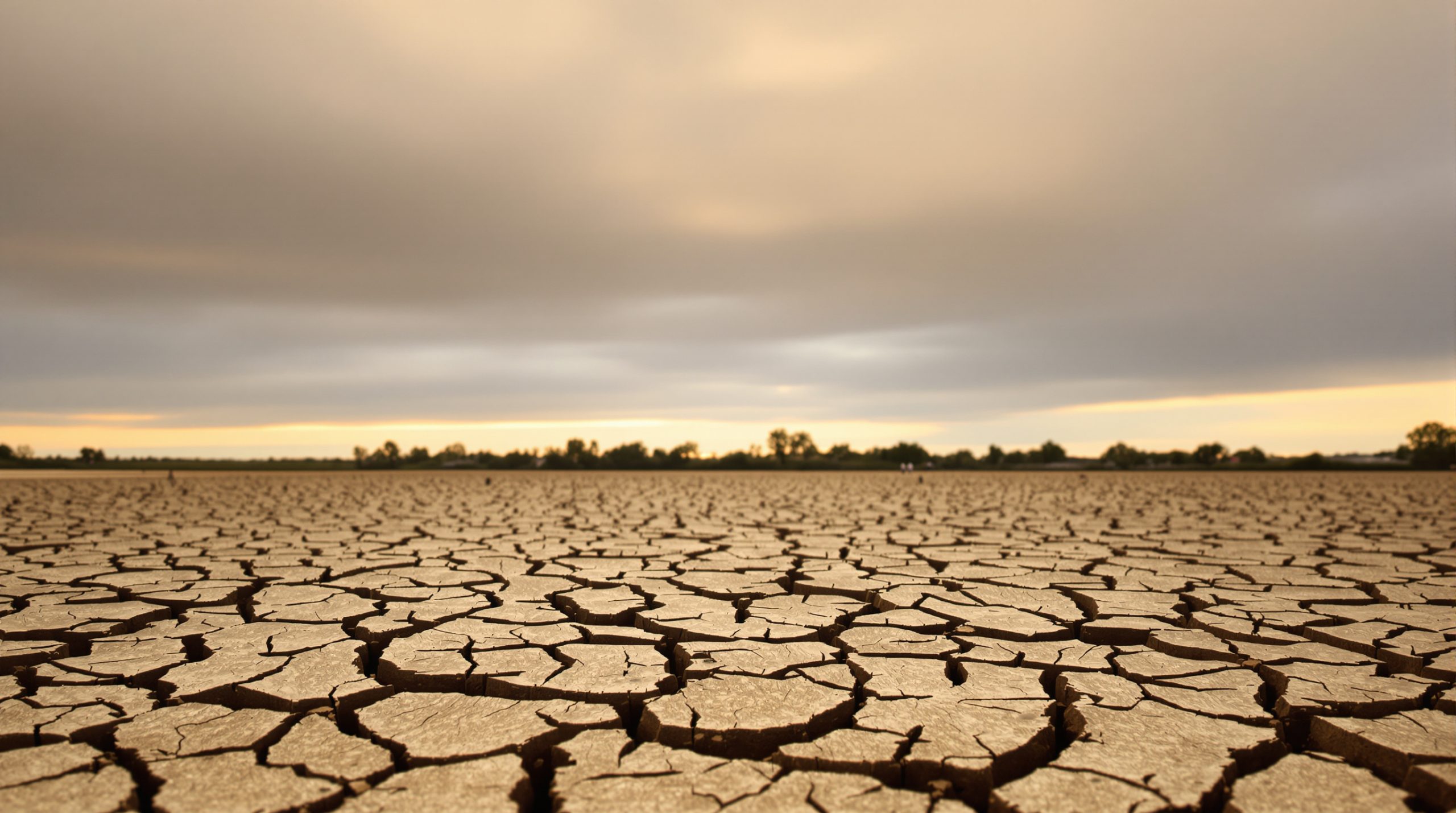
Roughly 80 million people find themselves under heat advisories with a **heat dome** blanketing the central U.S. Such meteorological phenomena spell trouble, as a high-pressure system traps hot air, pushing temperatures sky-high. The National Weather Service warns about the risks of prolonged exposure to these extreme conditions, stressing the immediate need for action and better infrastructure to manage these climate challenges.
This sweltering wave makes the case for decisive climate policies. As the mercury climbs, so do demands for leaders to combat climate change with solid legislation. This isn’t just a test of environmental stamina but a political hurdle, as voters increasingly call for accountability and tangible solutions.
Trade Policies: A Double-Edged Sword
On another front, **President Trump’s tariffs** targeting imports from 60 trading partners—announced to counter forced labor violations—are set to shake up the political scene as midterms near. Designed to shield domestic businesses, these tariffs face criticism from both allies and foes due to potential economic fallout. This strain could become a cornerstone of the Democrats’ strategy to challenge Republicans, notably in trade-dependent states.
These tariffs reveal the tricky balance of national interests against global economic realities. They’re seen as a double-edged sword—meant to boost local manufacturing but risking backlash via higher prices and tense international ties.
Foreign Policy: Implications of Ongoing Conflicts
Adding fuel to the political fire is the U.S. military’s ongoing involvement in Iran. Despite past victory claims, the Trump administration seeks an additional $67 billion for the war effort. This request is under scrutiny as public backing for the war dwindles. The administration’s stance on Iran, alongside a fresh nuclear deal with Saudi Arabia, signals persistent tensions in foreign policy that could sway voter opinions.
There is a world of difference between declaring victory in a war and actually winning a war.
This observation from political analysts echoes the thoughts of many Americans who doubt the sustainability and objectives of extended military engagements. As public sentiment shifts, these issues might significantly impact the upcoming elections.
Looking Ahead: Navigating Complexity
With the central U.S. in a heat battle and the nation wrestling with complicated political and economic challenges, climate, trade, and foreign policy issues are set to dominate discussions. Political hopefuls and voters must wade through these complexities, weighing immediate needs against long-term plans. The outcomes of these debates won’t just affect the upcoming elections—they’ll also chart the future course for America’s climate resilience, economic stability, and international diplomacy.
No Comments