






27 Jul New York’s AI Data Center Moratorium Explained
New York’s AI Data Center Moratorium: A Political and Environmental Turning Point
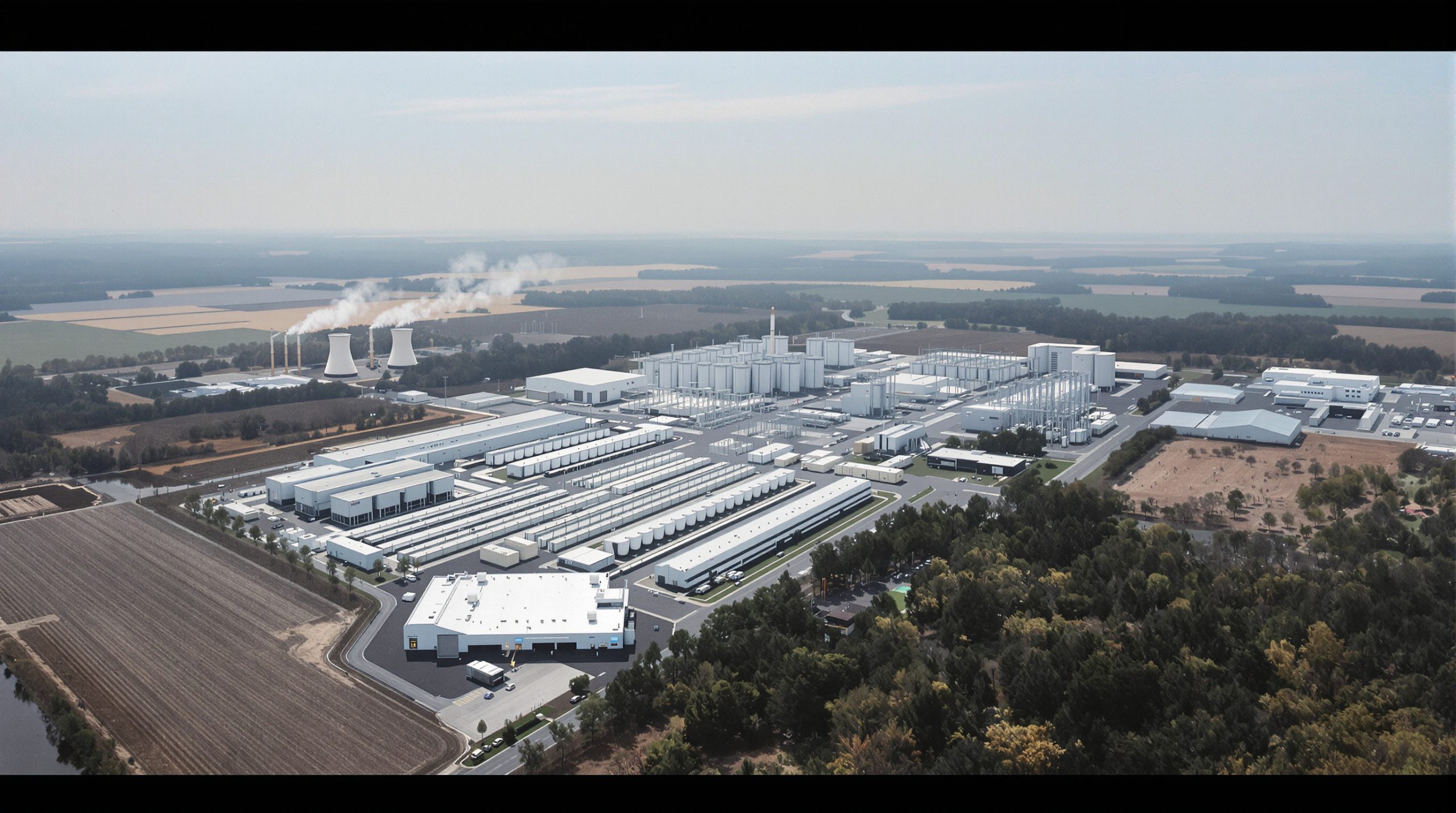
New York is making waves with its recent move to halt the construction of large AI data centers for a year. Governor Kathy Hochul’s decision is designed to give state regulators the time they need to draft new guidelines. These aim to address the centers’ impacts on local communities, power grids, and natural resources. Politically astute? That’s what many say, aligning perfectly with voters worried about noise, pollution, and electricity bills that keep climbing.
Unifying Opposition Across the Political Spectrum
What’s capturing attention is how opposition to these data centers is bringing together unlikely allies across the political landscape. Tressie McMillan Cottom notes in The New York Times that environmental activists, suburban moms, farmers, and even devout MAGA backers are on the same page here. This rare alignment of interests could be a golden ticket for politicians seeking to tap into anti-establishment vibes—possibly sparking a movement that ignores party lines entirely.
A Pew survey tells us something compelling: Americans aware of data centers dislike them just as much as those living right next to one. This wide-ranging fear about AI’s societal impacts isn’t just local—it’s national. Tech’s own warnings about AI disrupting life as we know it? Not helping. It’s layered a thick fog over the promise of technological progress, muddling its effects on our everyday realities.
Joe Manchin’s Independent Push: Challenging the Two-Party System
In another political corner, former Senator Joe Manchin is shaking things up by pushing to elect more independents to Congress. Heading the Independent Leadership Council, Manchin aims to crack the two-party mold by backing candidates who stand outside the usual political lines. He argues that today’s political climate makes it tough for politicians to engage with opposing viewpoints while sticking to party loyalty.
Building a New Political Infrastructure
Recently in West Virginia, Manchin and his daughter, Heather Manchin, met with donors, political reformers, and independent candidates. The discussion? Overcoming hurdles faced by those not affiliated with major parties. They stressed the need for a solid infrastructure to support independent runs—from raising funds to strategizing.
The Independent Center plays a big role here, using AI to pinpoint districts where independents could win. Their data-driven approach doesn’t just theorize; it creates actionable plans aimed at tangible election results—a road map for independents to carve out space in Congress.
Looking Forward: A Shift in Political and Technological Landscapes
New York’s moratorium on data centers and Joe Manchin’s push for independent candidates mark key shifts. They reveal a growing public appetite for change, prompting a reevaluation of how tech and politics dance together today. As these stories evolve, they challenge old norms and prompt a deeper dive into navigating the intricate ties between innovation, leadership, and public opinion.
No Comments