






29 Jul Fauci’s Fifth Amendment Silence Sparks Political Fallout
The Power of Silence: Fauci’s Fifth Amendment Stance Sparks Investigation
Dr. Anthony Fauci, the well-known figurehead in the U.S. pandemic response, is now in the eye of a political storm following his recent Senate hearing. He invoked his Fifth Amendment right over 100 times—an action that has rippled through both political and public spheres. This move has spotlighted ongoing debates about COVID-19’s origins and the wider implications of his silence.
Fauci’s Fifth Amendment Invocation
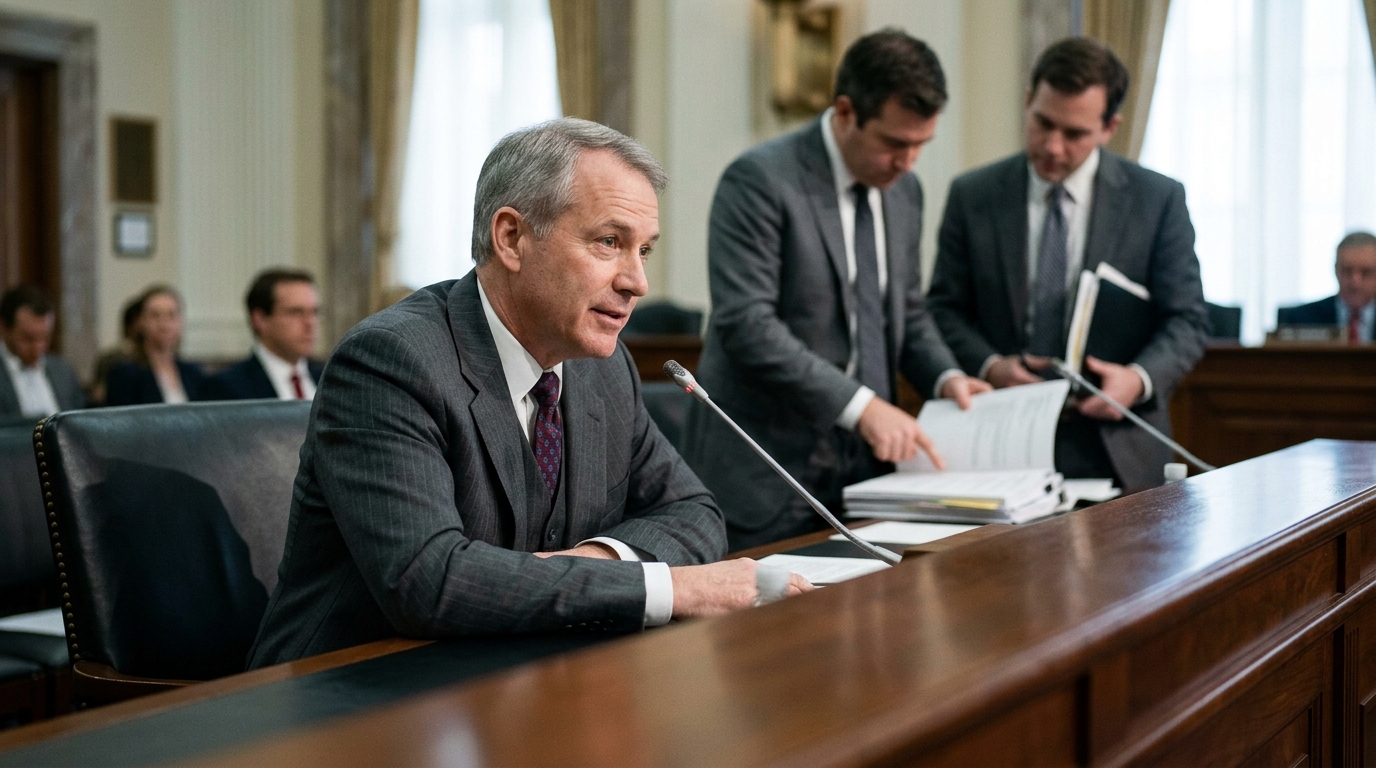
By invoking the Fifth Amendment—which lets individuals avoid answering potentially incriminating questions—Fauci chose silence during a Senate Homeland Security panel. This did not sit well with Senator Rand Paul, who demanded clarity on the pandemic’s origins and Fauci’s role in the response. Although the hearing focused on COVID-19, Fauci’s silence extended beyond pandemic discussions, increasing the tension between scientific leadership and political accountability. Not the first time, either.
“Fauci’s lack of candor to Congress is unbelievable,” Florida Attorney General James Uthmeier stated while announcing a probe into Fauci’s actions.
Political Reactions and Legal Implications
Fauci’s silence triggered swift political fallout. Florida Attorney General James Uthmeier launched an investigation, highlighting rising scrutiny over Fauci’s past pandemic decisions. Uthmeier aims to see if Fauci’s silence was part of a larger attempt to keep information from Congress—which could have serious legal and political ramifications.
In an unexpected twist, former President Donald Trump expressed his respect for President Biden’s pardon of Fauci. This surprising comment from Trump—known for criticizing Fauci—sheds light on the complex interplay of health policy and political maneuvering.
Broader Political Landscape
Though Fauci’s case grabs attention, the Senate has other pressing concerns. For example, Senator Lindsey Graham’s bill against Russia with expanded sanctions is gaining momentum, earning strong backing from fellow senators. Meanwhile, the White House promotes a tight, party-line bill focused on military and farm aid, revealing the competing priorities in the legislative agenda.
The contrast between Fauci’s legal defense and these legislative efforts suggests the varied nature of today’s political discourse. As the Senate deals with domestic and international policies, Fauci’s situation serves as a reminder of the balancing act between transparency, accountability, and political strategy.
Looking Ahead
Fauci’s Fifth Amendment usage not only prompts questions about his past decisions but also about how public officials handle government scrutiny. As investigations continue and political stories evolve, his case will probably shape future debates on public figure accountability and legal protections in politics.
The next few months will be crucial for understanding how these events affect public opinion and Congress’s legislative priorities. As the nation remains in the pandemic’s shadow, Fauci’s case might prove pivotal in deciphering the intersection of health policy, political influence, and public accountability.
No Comments