


29 Jul Political Strategies and COVID-19 Origins Debate
Contentious Debates and Policy Shifts: Navigating Current Political Landscapes
There’s a lot happening in Washington right now, with political strategies swirling and several key developments in motion. The Senate Judiciary Committee is stalling crucial votes, Dr. Anthony Fauci’s in the hot seat over COVID-19 origins, and the Trump administration is charging ahead with privatization plans. These stories highlight the tangled web of power, narrative, and influence shaping today’s political stage.
Fauci’s Fifth Amendment Stand and the Quest for COVID-19 Origins
During a fiery Senate hearing spearheaded by Republican Senator Rand Paul, Dr. Anthony Fauci stood his ground, invoking the Fifth Amendment repeatedly to dodge questions about where COVID-19 came from. This is all happening as debates over the virus’s origins heat up—Paul claims Fauci is keeping secrets about a possible lab leak in Wuhan, China. Fauci’s refusal to answer speaks volumes in the charged atmosphere of this investigation.
The hearing lays bare the broader tensions at play. Various government agencies, like the Department of Energy and the CIA, have different takes on the lab leak theory. Scientists still haven’t reached a consensus. As Fauci tries to protect his legacy and past decisions, this debate is a stark reminder of the tangled web of public perception and trust in governmental health responses.
Privatization Push: TSA Gold+ and Airport Security
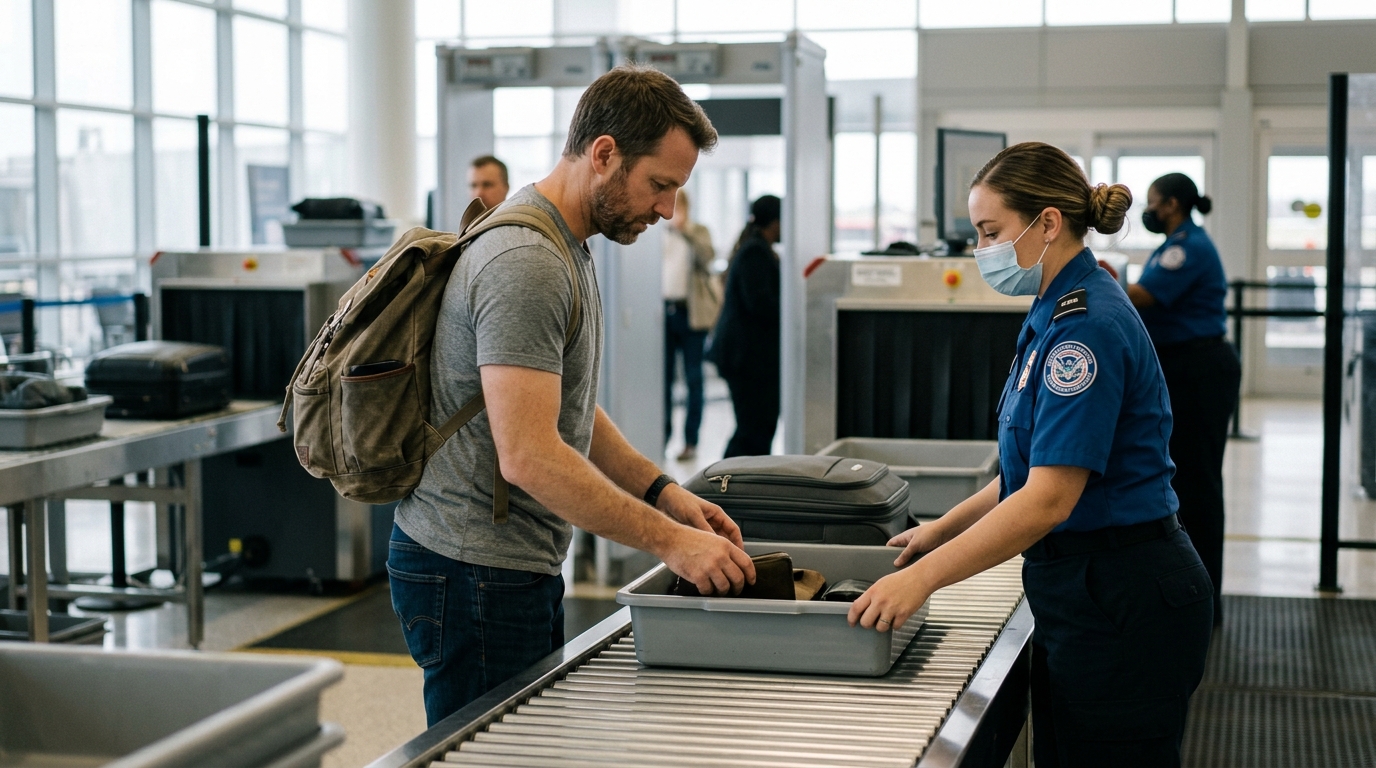
Enter the Trump administration’s Gold+ program—a move towards privatizing airport security. Airports in Tampa, Charleston, and Des Moines are gearing up to hand over security screenings to private firms. This represents a significant jump from the existing Screening Partnership Program, which already uses private contractors but insists on TSA technology.
Supporters see privatization as a path to agility and efficiency, contrasting it with the federal government’s sluggish procurement processes. But opponents, especially those in federal workers’ unions, argue this is a regression from the post-9/11 measures put in place by Congress. This debate on privatization echoes broader discussions on finding the balance between efficiency and security in public services.
Immigrant Benefit Participation: Debunking Misconceptions
New insights from the Brookings Institution are shaking up common narratives about immigrants and public benefit programs. Contrary to claims that immigrants drain public resources, data shows non-citizens actually participate less than citizens in these programs, despite being more likely to have low incomes. This has big implications for policy conversations, especially given the political rhetoric around immigrants and the safety net.
The study underscores the need for rigorous methodology in measuring participation rates, revealing how much depends on the lens through which data is viewed and interpreted. As political debates continue to shape how we perceive immigration and welfare, these findings stress the importance of solid, evidence-driven policymaking.
Looking Ahead: Navigating a Complex Political Terrain
As these stories continue to develop, they lay bare the complex dynamics of political influence and public perception. Whether it’s the hunt for the origins of a global pandemic, rethinking security frameworks, or analyzing immigrant benefit participation, each thread adds to a larger tapestry of challenges facing policymakers and citizens alike. In this ever-changing landscape, the quest for clarity and truth is crucial, guiding us toward more informed and thoughtful discussions about the future of governance.
No Comments