






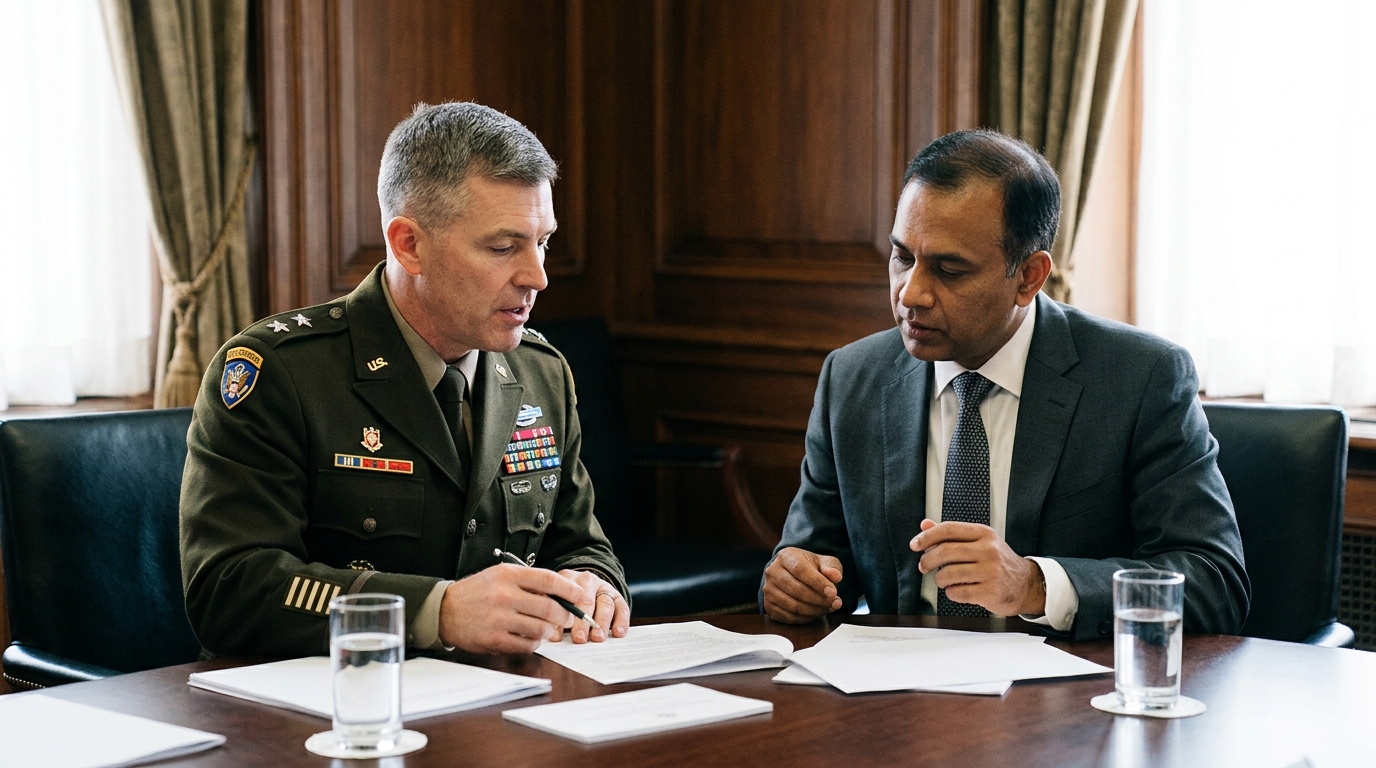
30 Jul U.S. Military Engagements and Global Diplomacy
U.S. Military Engagements: A Complex Web of Strategy and Diplomacy
Recent global events have spotlighted the intricate layers of U.S. military strategy and diplomacy, revealing both successes and persistent challenges. From renewed airstrikes in the Middle East to the ongoing impact of African sports diplomacy, today’s geopolitical landscape demands a nuanced understanding of international relations.
Middle East Tensions: A Renewed Cycle of Conflict
The U.S. and Saudi Arabian airstrikes on Iran-backed militia positions in Iraq have reignited fears of escalating conflict in the Middle East. The coordinated attacks, resulting in significant casualties among Iraq’s Popular Mobilization Forces, underscore the region’s volatility. Iran’s missile retaliation against U.S. bases in Jordan signals a perilous tit-for-tat escalation.
President Trump’s vow to “hit them very hard” reflects a broader deterrence strategy. But history suggests such military actions often complicate diplomacy and strain international relations. It’s a tightrope walk—balancing immediate military objectives with long-term diplomatic goals is no small feat in the Middle East’s ever-shifting political landscape.
The Struggle for a Unified Strategy in Partnered Conflicts
The United States’ difficulty in aligning its military goals with those of its partners isn’t new. Research from Brookings highlights the U.S.’s ongoing struggle to define joint political goals at the beginning of conflicts, leading to prolonged engagements without clear resolutions. This disconnect was evident in past involvements in Iraq and Afghanistan and is likely to recur in Iran.
The U.S. finds it difficult to agree with its partner on a joint end state—a shared set of political goals, or a working definition of victory—at the outset of a war.
With domestic support for prolonged military campaigns dwindling, pressure mounts on U.S. decision-makers to establish clear, achievable objectives early on. Cohesive strategies are more crucial now than ever, given the rapid erosion of public support and the complex geopolitical stakes involved.
African Sports Diplomacy: A Model for Development
While military conflicts often grab headlines, quieter forms of diplomacy are making significant strides. The recent success of African nations in the FIFA World Cup shows how sports can be a powerful tool for development and international diplomacy. Morocco’s impressive performance, culminating in a historic sixth-place FIFA ranking, exemplifies how strategic investments in sports can yield cultural and economic dividends.
Ambassador Youssef Amrani of Morocco emphasized the importance of leveraging sports to foster youth opportunities and strengthen international ties. This approach not only raises a country’s global standing but also fosters unity and purpose within its borders.
Looking Ahead: Balancing Military and Diplomatic Efforts
As the U.S. navigates its role on the global stage, the interplay between military action and diplomatic strategy becomes increasingly critical. Lessons from the Middle East and the diplomatic successes of African sports offer valuable insights into how the U.S. might refine its approach to international relations.
In an era where both hard and soft power play vital roles, the U.S. must adapt its strategies to address immediate threats while fostering long-term partnerships and peace. The path forward? Achieving a delicate balance—one that prioritizes clear objectives, respects partner dynamics, and recognizes the transformative potential of non-military avenues like sports and cultural exchange.
No Comments