






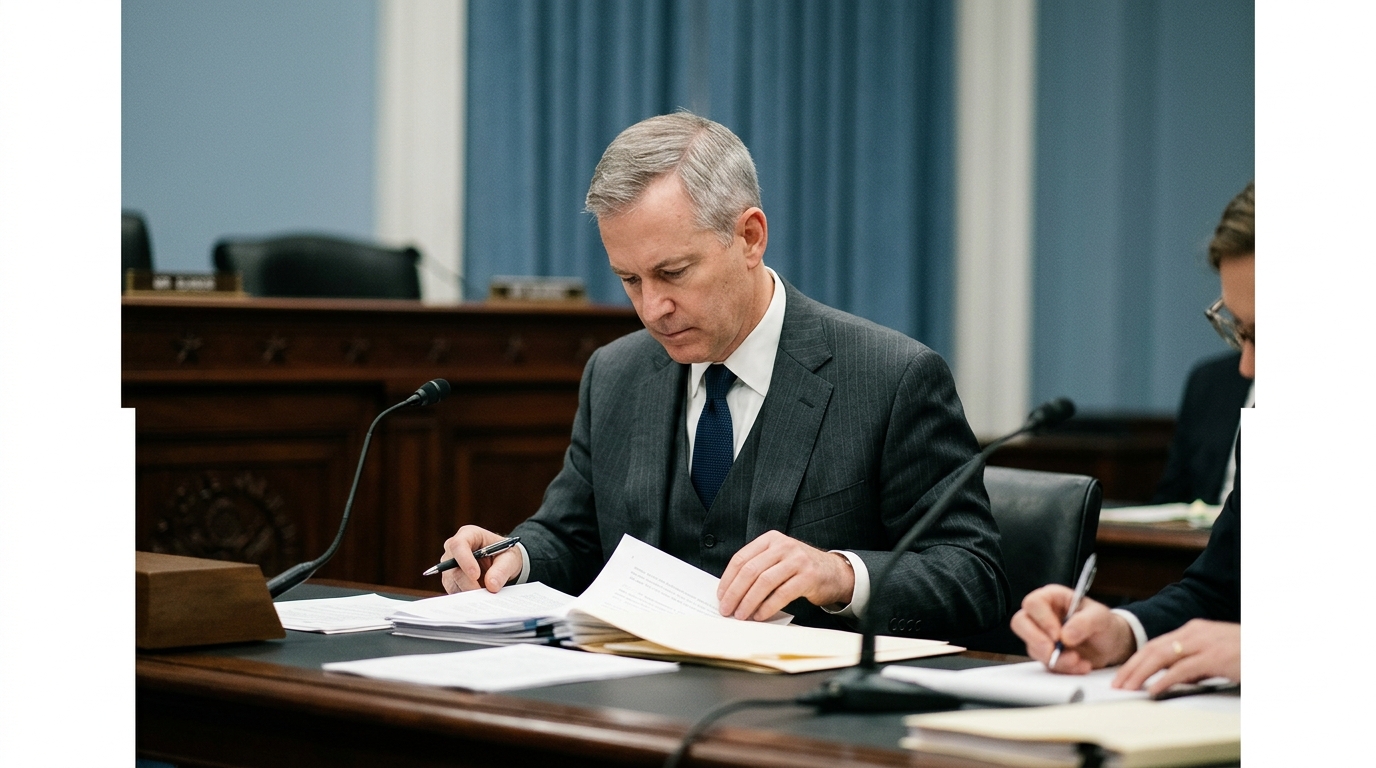
30 Jul Senate Delays Attorney General Nomination Vote
Senate Delays AG Nomination Amid Controversial DOJ Settlement
The Senate Judiciary Committee’s move to stall the vote on Todd Blanche’s nomination for Attorney General adds another twist to an already tangled political scene. This unexpected delay arises from worries voiced by two Republican senators over a recent Justice Department settlement with former President Donald Trump.
Key Concerns Surround DOJ-Trump Settlement
What’s causing the uproar? The settlement between the Justice Department and Trump, which wrapped up his IRS lawsuit over leaked tax returns. It involves a proposed $1.8 billion fund aimed at preventing government agencies’ weaponization and grants Trump and his family broad immunity from audits of past tax returns. Not a minor issue.
Senators John Cornyn and Thom Tillis, both from the Republican side, are uneasy about what this settlement implies. They’re particularly wary about the possible revival of the anti-weaponization fund and are demanding written guarantees from the Justice Department about the tax immunity deal’s boundaries.
“For some reason, I don’t know whether it’s the staff of the DOJ or who it is, but they simply refuse to do it,” Senator Cornyn remarked in frustration over the DOJ’s lack of guarantees.
Political Ramifications and Implications
Delaying Blanche’s nomination vote does more than just stall his confirmation. It’s a mirror reflecting bigger tensions within the Republican Party. Both Cornyn and Tillis are exiting Congress after this year, a detail that might embolden them to challenge the current administration’s choices.
Meanwhile, Trump hasn’t held back his support for Todd Blanche, lauding him as an “outstanding” choice for the position. This clash—Trump’s endorsement against the senators’ dissent—illuminates the tangled dynamics within the GOP over Trump’s sway and the party’s future path.
Broader Impacts and Future Outlook
The issues raised by Senators Cornyn and Tillis bring attention to a significant matter: how power and oversight are balanced in political negotiations. Their push for transparency and accountability from the Justice Department speaks to a rising demand for clear government dealings, especially with high-profile legal settlements on the line.
As this scenario unfolds, the ripple effects of this delay might extend beyond Blanche’s nomination. The decision could establish a precedent for how future settlements are scrutinized and handled. The Senate’s strategy in this case might sway public opinion on political accountability.
All eyes will be on the Senate Judiciary Committee. How they resolve this could set the tone for future political negotiations involving high-profile figures and the federal government.
No Comments