







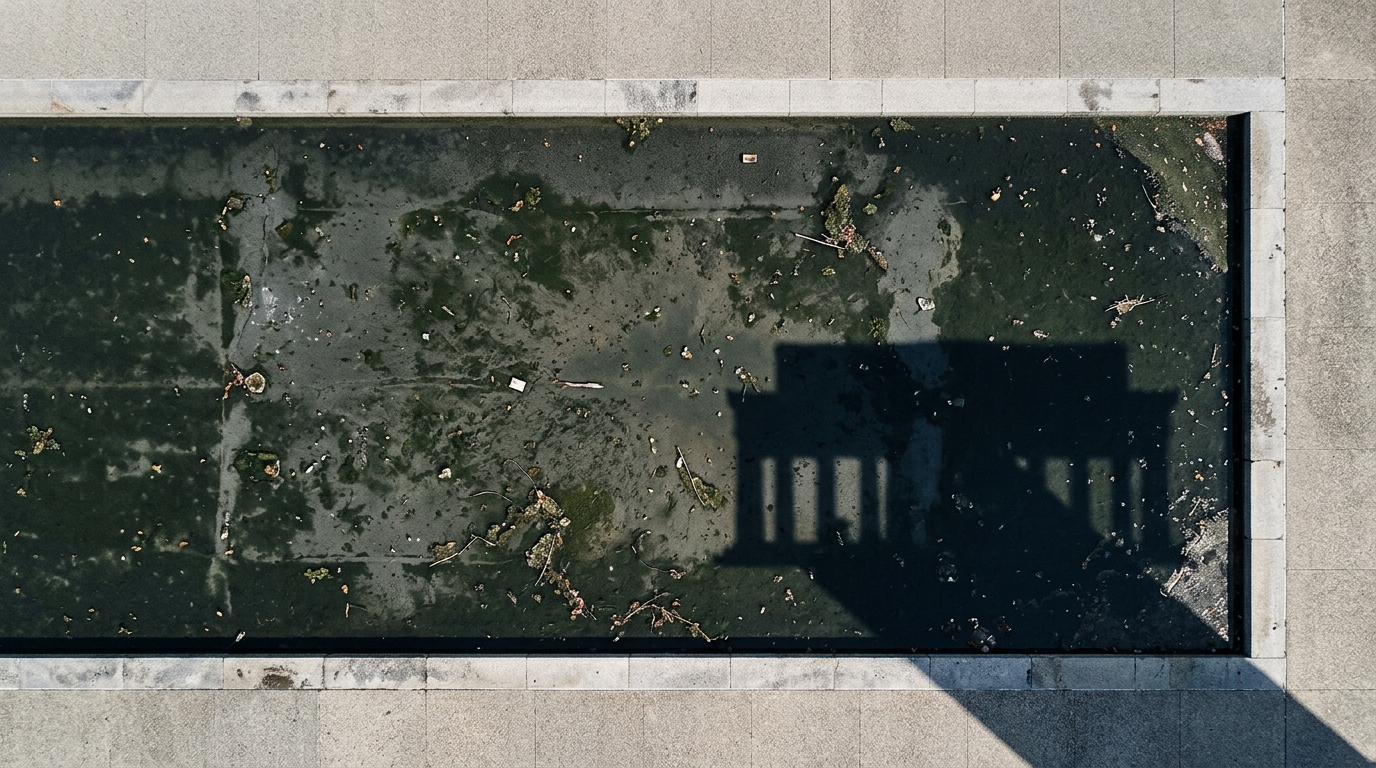
01 Aug Reflecting Pool Damage: Political Narratives Clash
The Reflecting Pool Debate: A Clash of Narratives
The recent uproar over the damage to the Lincoln Memorial Reflecting Pool is proving to be a vivid example of how political narratives clash with judicial decisions. The decision to drop charges against former Olympian David Hearn has sparked questions about the prosecution’s integrity and opened a public rift between President Donald Trump and U.S. Attorney Jeanine Pirro.
From Vandalism to Construction Mishaps
President Trump hasn’t wavered, insisting all along that vandals were to blame for the Reflecting Pool’s damage. He’s repeated this claim many times. But Jeanine Pirro’s latest court filing tells a different story. It unveils new evidence suggesting that the damage resulted from a hurried and faulty installation by contractors, not vandalism. The Interior Department’s documents back this up, pointing to construction-related issues.
“Given all of this newly discovered information, it is difficult to attribute the widespread damage to the Reflecting Pool to vandalism, let alone to establish that fact beyond a reasonable doubt,” Pirro stated in her filing.
This new narrative challenges the previous administration’s stance, offering a more mundane—if somewhat embarrassing—explanation for the damage.
Political Implications and Reactions
This case’s fallout holds significant implications for Trump and his appointees. By dropping the charges, Jeanine Pirro has made a rare move against the President’s narrative. It highlights the risks of aligning legal actions too closely with political rhetoric, which can backfire when new facts surface.
Meanwhile, Interior Secretary Doug Burgum seemed to push back against Pirro’s criticisms, suggesting tensions simmer within the administration. The broader Justice Department is also reflected in this, as it wrestles with keeping credibility amid clashing political pressures.
The Broader Context of Political Narratives
This incident doesn’t stand alone in the world of political narratives. It’s part of a backdrop of contentious political maneuvers, such as President Trump’s nomination of Todd Blanche as U.S. Attorney General. That nomination is tangled in controversy over a $1.8 billion fund settlement for alleged government weaponization victims during the Biden administration. This has faced bipartisan criticism and highlights the administration’s struggle to balance political goals with legal truths.
The Reflecting Pool saga, while seemingly minor in the grand scheme, acts as a microcosm of the challenges contemporary political narratives face. As facts and data increasingly steer public discourse, political figures must adapt and respond to new information. It is crucial.
Looking Forward: Navigating Political Narratives
As the political landscape keeps shifting, the Reflecting Pool affair reminds us of the complexities in public perception and media framing. This case underscores the need for transparency and factual accuracy to maintain public trust. Political leaders and appointees must carefully steer these narratives, ensuring the signal of truth doesn’t get lost in the noise of political rhetoric.
No Comments