







02 Aug Energy Markets and Political Dynamics Amid Crises
Intersecting Crises: Energy Markets, Political Dynamics, and Wildfires
Geopolitical tensions and environmental challenges are sending shockwaves far beyond immediate crisis zones right now. The energy markets, destabilized by the conflict in Iran, the shifts within the U.S. Senate, and the raging wildfires in the western United States all showcase a tangled web of influences that are reshaping both global and domestic landscapes.
Energy Markets on Edge Amid Iran Conflict
Tensions in Iran have thrown international energy markets into a state of unpredictability. Chevron CEO Mike Wirth calls the situation “somewhat fragile and uncertain,” pointing out vulnerabilities in oil transit routes and broader implications for global supply chains. With tensions running high, the energy sector faces the specter of disruptions that could ripple through economies heavily dependent on oil.
“The situation remains somewhat fragile and uncertain,” said Chevron CEO Mike Wirth.
This statement highlights the precarious balance that global energy stakeholders must maintain. Geopolitical developments are a major force on oil prices and supply lines, with consequences that could hit economies hard.
Senate GOP Navigates Leadership Void
The death of Senator Lindsey Graham has left a void in the hawkish wing of the Senate GOP. Graham played a key role in shaping foreign policy, particularly during the Trump administration. His absence creates a leadership gap at a critical time as the Iran and Ukraine conflicts demand strong congressional oversight and strategic direction. Who will rise to fill this void?
While no single individual can fully replace Graham, there’s a potential for a “chorus” of Republican voices to emerge and steer the party’s foreign policy agenda. This change might usher in new dynamics within the Senate, influencing legislative priorities and strategies for international engagement.
Wildfires Wreak Havoc in the Western U.S.
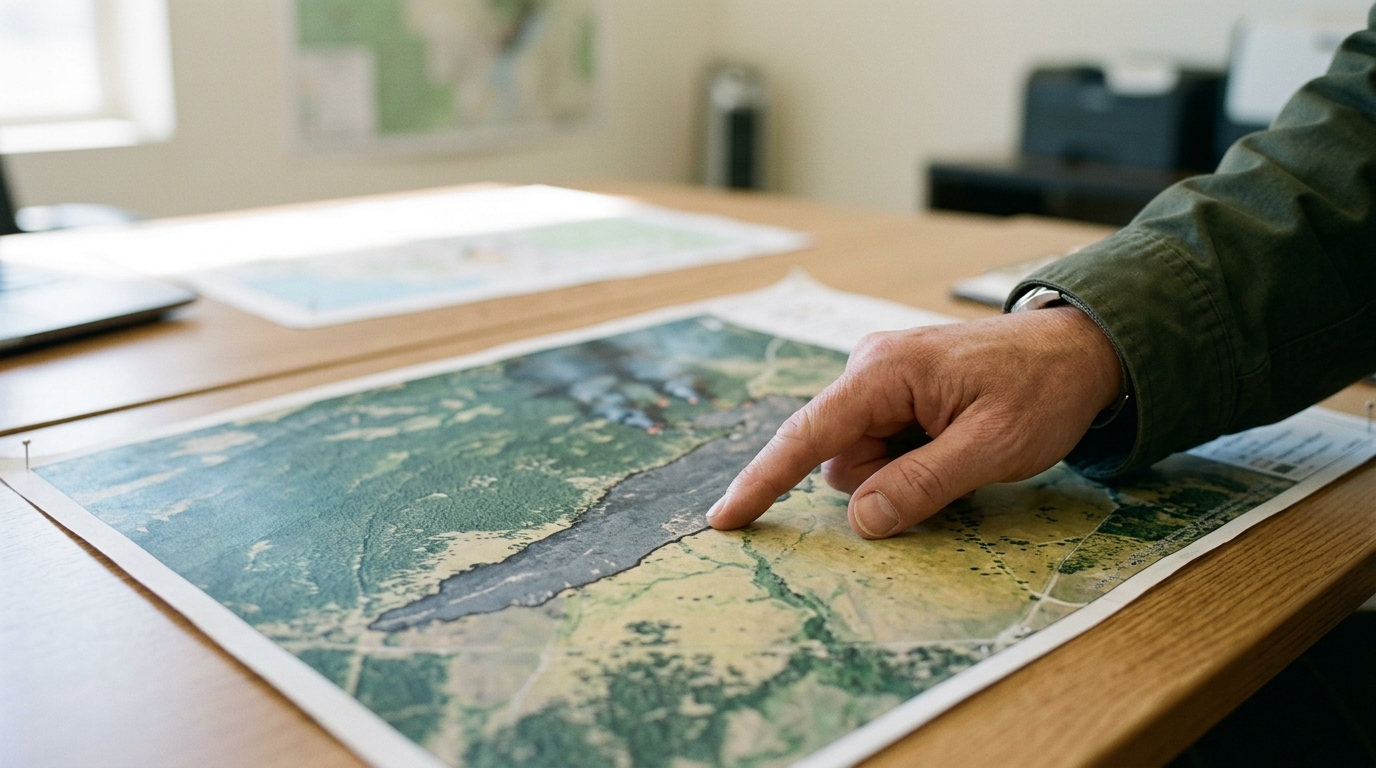
Amid political and economic turmoil, the western United States is grappling with its own natural adversary. Wildfires have ravaged eastern Washington, destroying 600 structures and forcing 5,000 homes to evacuate. Fires are also raging across Idaho and Oregon. The scale of these fires, fueled by adverse weather conditions, underscores the persistent challenge of climate-related disasters.
“We have weather working against us, and we have terrain working against us,” said Benjamin Cossel, federal response team public information officer.
The mix of high winds, dry conditions, and rough terrain poses significant challenges for firefighting efforts. With temperatures expected to climb, the risk of the fires spreading looms large, testing the capabilities of federal, state, and local agencies to respond effectively.
Looking Ahead: Navigating Complexity
These interconnected issues—energy market volatility, leadership gaps in foreign policy, and climate-induced emergencies—underscore the complex challenges that policymakers and communities face. As situations develop, stakeholders need to adopt integrated strategies that address these overlapping crises head-on.
Grasping these dynamics helps not only in foreseeing future developments but also in highlighting the necessity for adaptive and resilient responses to navigate an increasingly intricate global landscape.
No Comments