






03 Aug Ethics and Accountability in Rep. Chuck Edwards Case
Ethics and Accountability in Rep. Chuck Edwards Case
Ethics and Accountability: The Case of Rep. Chuck Edwards
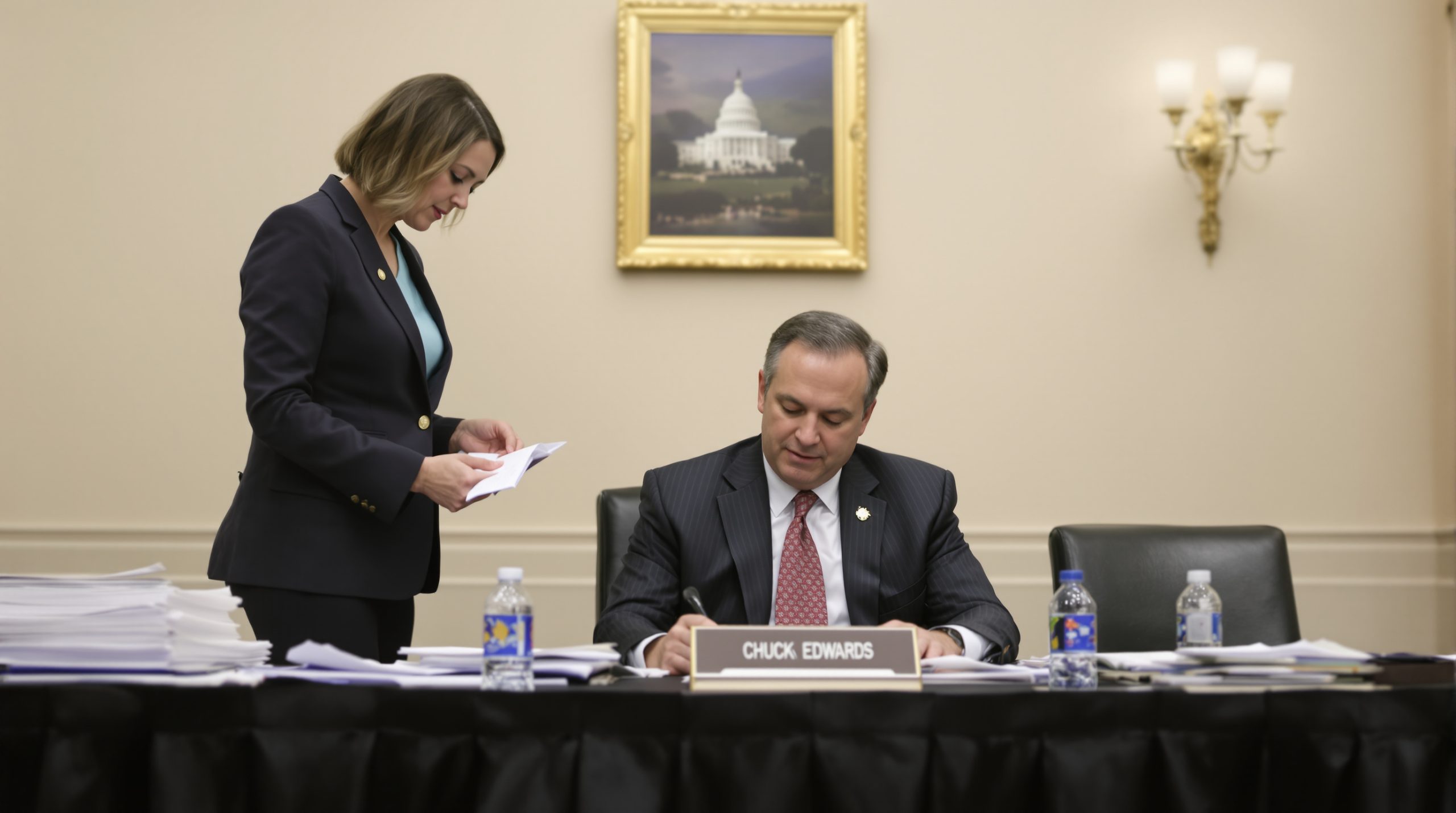
In the spotlight once more, the recent call from the House Ethics Committee to censure Rep. Chuck Edwards, R-N.C., throws a spotlight on the tangled web of power, professional conduct, and ethics in politics. Their detailed 20-page report lays bare a series of what it terms “persistent unprofessional and inappropriate conduct” towards two young female staffers, highlighting the ongoing struggle to define and maintain workplace boundaries in congressional offices.
The Allegations and Findings
The probe into Edwards, who took office in 2023, centered on claims of fostering a hostile work environment and behaviors that the committee labeled as sexual harassment. Interestingly, the report didn’t uncover any physical propositions or explicit sexual activities. What it did find was a troubling pattern—extravagant gifts and comments about the staffers’ looks.
“[He] seemed to believe that by avoiding inappropriate physical touch, explicitly sexual comments, and occasionally telling staffers that they were free to put up boundaries with him, he had immunized himself from such a charge,” the report reads.
Even with the congressman cooperating in the investigation—16 witness interviews and over 1,500 pages of evidence—the report criticizes Edwards for not fully understanding the weight of his actions. While censure isn’t expulsion, it’s a significant public reprimand, underscoring the committee’s firm stance on ethical standards in the House.
Political Implications and Broader Context
This case emerges amid a surge in public scrutiny of political figures, with ethical lapses less likely to slip through the cracks. The decision to recommend censure, set to be addressed when the House returns from recess, symbolizes a broader push towards accountability for representatives.
Intersecting with a larger debate on the ethical landscape in U.S. politics, Edwards’ case exemplifies the complex dance between personal behavior and public duty. It’s a microcosm of a broader issue that extends beyond Congress, mirroring societal demands for professional conduct and respect.
Moving Forward: Ethical Standards in Politics
The recommendation to censure Rep. Edwards serves as a stark reminder of the critical role ethics committees play in upholding the integrity of government institutions. It also prompts questions about the available mechanisms for addressing misconduct and the effectiveness of current policies in curbing such behaviors.
As the House gears up to tackle this recommendation, the outcome will likely feed into ongoing debates about the necessity for stringent ethical guidelines and their enforcement. This case is a vivid example of how political narratives and media coverage shape public perception, underscoring the need for perpetual ethical vigilance in governance.
No Comments