







05 Aug Senate Delays and EPA Cleanup Challenges
Senate Delays and Environmental Cleanup: A Tale of Two Challenges
Today’s political scene is grappling with two big issues: the Senate is stalling a key military appointment, and the EPA’s cleanup project in Omaha is drawing heat. These situations highlight the tangled web of governance and the public’s trust—or lack thereof—in federal bodies.
Senate Snag in Military Appointment
Gen. Christopher LaNeve’s appointment as Army Chief of Staff is stuck in the Senate’s gears. LaNeve, once a senior military aide to Pete Hegseth, is meeting resistance, showcasing the tricky nature of political appointments. This hold-up could disrupt military leadership and strategic planning, pointing to the need for bipartisan teamwork in national security.
EPA’s Omaha Cleanup: Success or Setback?
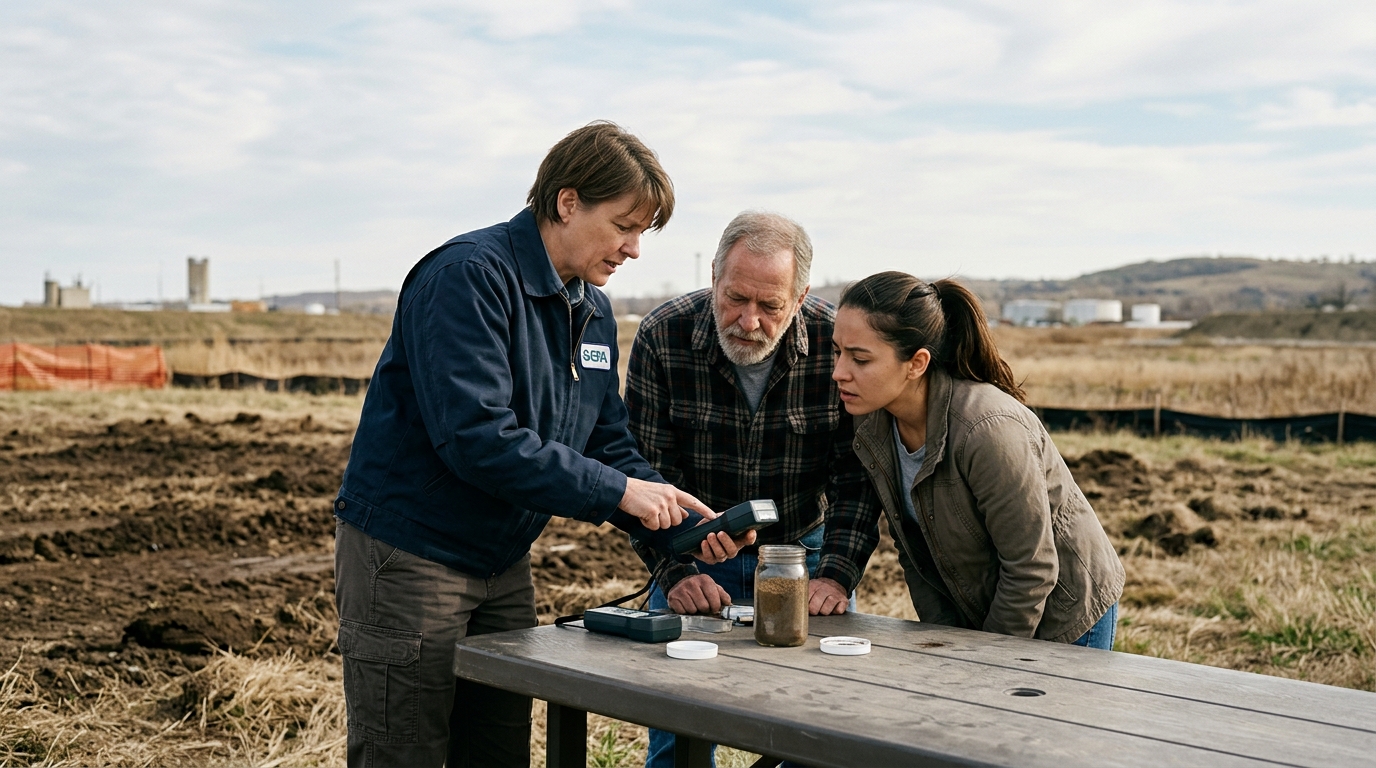
Over in Omaha, Nebraska, the EPA’s massive effort to clean lead-contaminated soil is being questioned. While the agency boasts of success, ProPublica and Flatwater Free Press beg to differ—testing shows 10% of cleaned yards still have unsafe lead levels. Even more, nearly a quarter of spots tested overshoot new lead standards set by the Trump administration, hinting that past cleanups weren’t as thorough as claimed.
“Since 1999, the EPA has spent $273 million digging up and backfilling nearly 14,000 yards across east Omaha.”
This discovery casts doubt on the EPA’s cleanup methods and the long-term safety for residents. It’s a snapshot of the larger issue of environmental justice and the pressing need for clear, effective remediation approaches.
Implications and Future Directions
The holdup in LaNeve’s confirmation and the EPA’s Omaha project problems reflect broader governance themes: efficient decision-making is crucial, and public trust must be maintained. Both scenarios call for a reevaluation of strategies and policies to ensure that public entities meet their obligations effectively.
As these stories develop, they open the door for stakeholders to engage in real dialogue and work together on solutions that prioritize public safety and security. Moving forward will demand transparency, accountability, and a focused effort to tackle the root causes of these challenges.
No Comments