






08 Aug Iran-Oman Strait Deal Faces Geopolitical Challenges
The Geopolitical Chessboard: Iran-Oman Strait Deal Stalls Amid Rising Middle Eastern Alliances
In a complex game of geopolitics, the potential reopening of the Strait of Hormuz has hit a snag. The deal, once on the brink of being finalized, underscores the tangled web of Middle Eastern alliances and the global energy scene. Meanwhile, a new military alliance is forming between Saudi Arabia, Turkey, and Pakistan—a move that echoes NATO’s defense philosophy.
Strait of Hormuz: A Critical Waterway
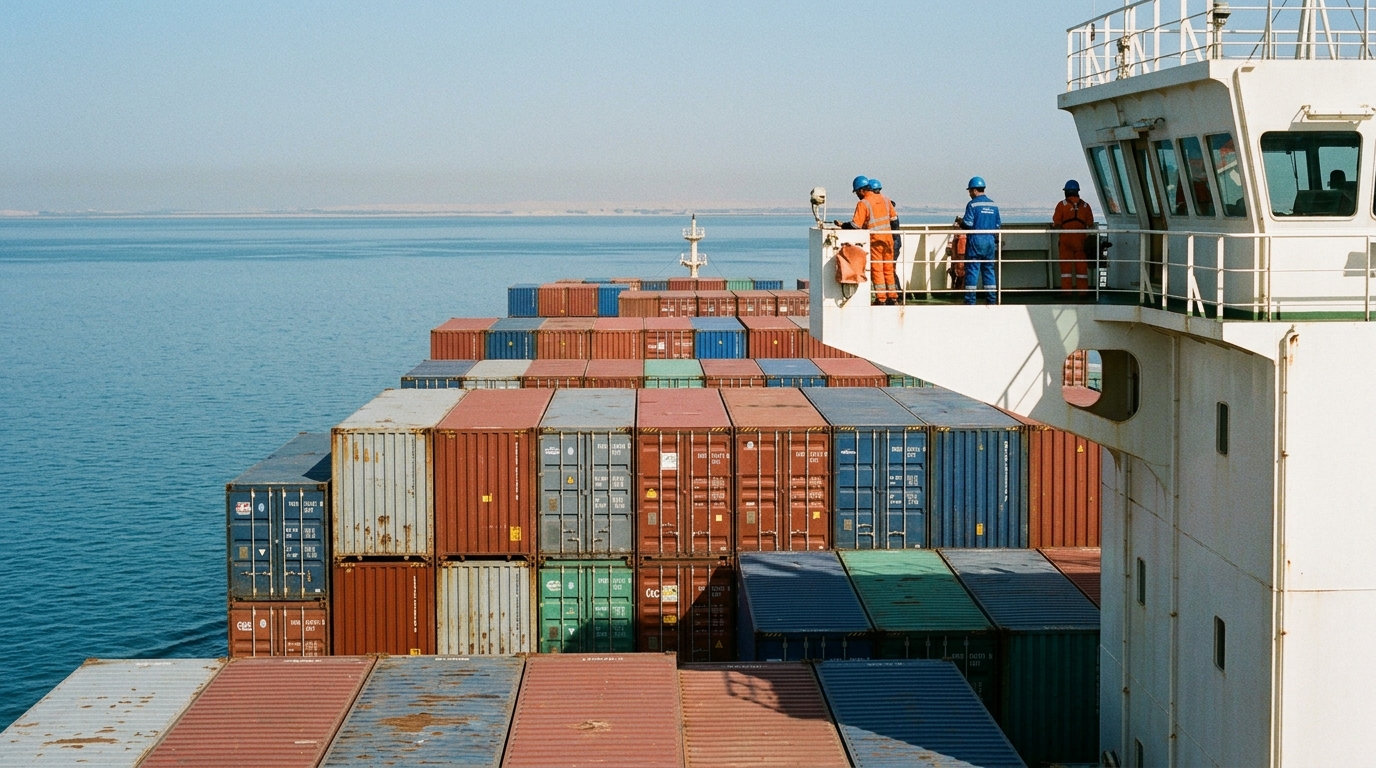
The Strait of Hormuz is a crucial artery in the global energy supply chain, channeling nearly 20% of the planet’s petroleum trade. The proposed pact between Iran and Oman was aimed at smoothing vessel passage, letting ships enter closer to Iran and exit near Oman. The idea? Maintain neutrality and sidestep tolls, laying a foundation for a cease-fire and broader U.S.-Iran talks.
“Iran and Oman had a deal over the Strait of Hormuz… it would restart the 60-day clock, bringing the U.S. and Iran back to cease-fire and larger negotiations.” – Nick Schifrin
Regional Dynamics and Unfulfilled Promises
The Gulf Cooperation Council (GCC) backed this temporary arrangement, even with potential drawbacks for their own imports if Iran were to bar access. Viewed as a necessary step to stave off potential flare-ups threatening regional and global energy security, the deal stumbled when Iran’s demands evolved. Internal pressures from the Islamic Revolutionary Guard Corps led them to seek more concessions, like lifting sanctions and imposing tolls, throwing negotiations off course.
A New Military Pact and Its Implications
Amid these turbulent waters, a strategic alliance between Saudi Arabia, Turkey, and Pakistan emerges, introducing a fresh dynamic in the region. Seen as a counterweight to Iran’s influence, this pact is a strategic move to bolster military ties among these nations. It marks a shift in regional power dynamics, with potential ripple effects on future negotiations and strategies around the Strait of Hormuz.
Looking Ahead: A Complex Path Forward
The snag in the Strait of Hormuz deal serves as a stark reminder of the region’s political intricacies. It highlights the delicate dance between diplomacy and military maneuvering. With the world watching, the evolving dynamics in the Middle East demand skillful navigation to preserve stability and avoid further tensions.
Grasping these developments is key for forecasting shifts in global politics and energy markets. The blend of regional alliances and international negotiations will continue to sculpt the geopolitical landscape, calling for nuanced and savvy engagement from all stakeholders involved.
No Comments