







08 Aug Blanche Confirmation Highlights Political Divide
Blanche Confirmation Highlights Political Divide
Blanche Confirmation Highlights Deepening Political Divide
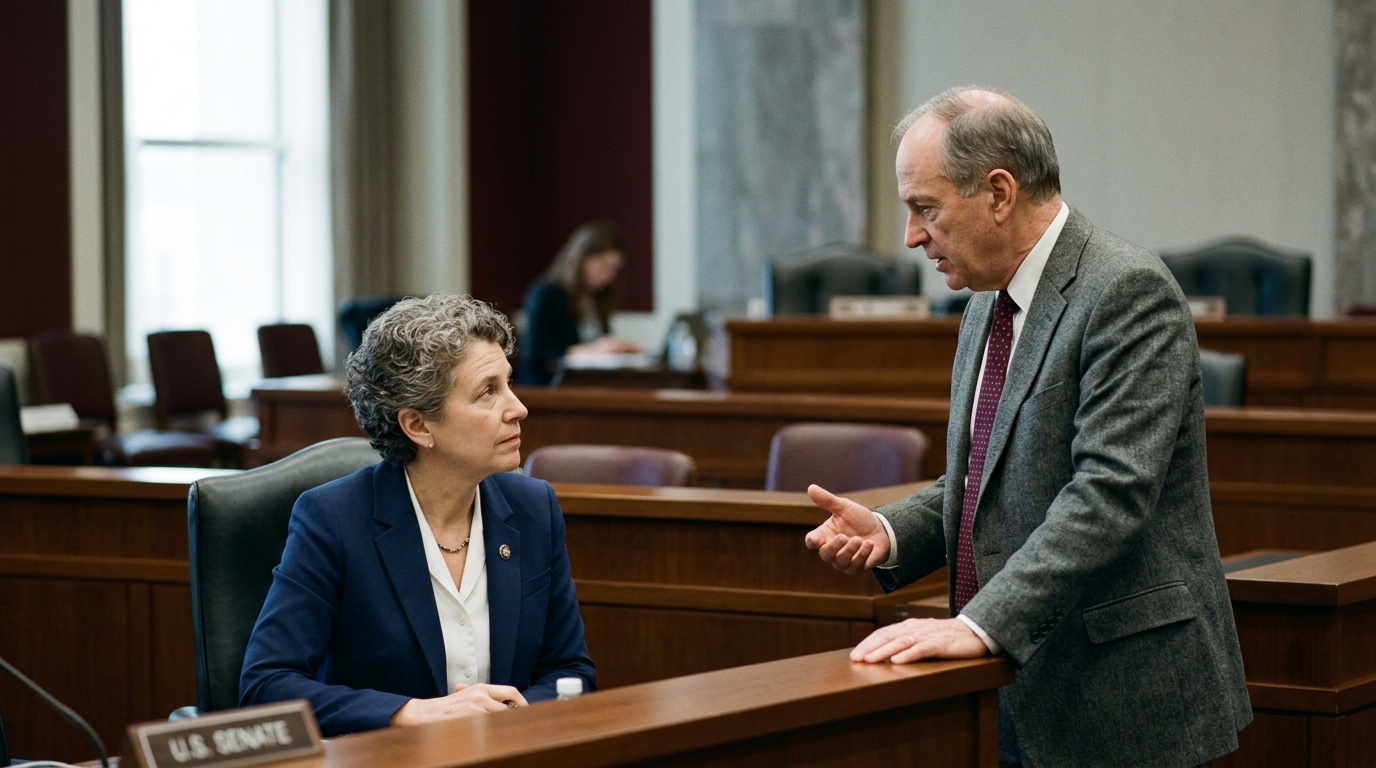
Todd Blanche’s confirmation as Attorney General has definitely stirred the pot in Washington. It’s not just heightened the political tensions; it’s also marked a noteworthy chapter in the saga of U.S. political polarization. The Senate’s decision was clear-cut. All Democrats, joined by two Republican senators—Susan Collins of Maine and Lisa Murkowski of Alaska—voted against Blanche. This underscores a glaring divide in perception and influence within American politics.
The Political Calculus Behind the Vote
The confirmation process was a nail-biter, ending in a razor-thin 50-49 vote. Blanche, nominated by President Trump, faced backlash due to his previous tenure as acting attorney general, especially around contentious issues like the Epstein files. Yet, most GOP senators stood by Blanche. Why? He promised not to pursue Trump’s hefty $1.8 billion compensation fund for those prosecuted under the Biden administration—this was key in swaying the last few holdout votes.
The final vote was 50-49. Can’t get closer to get confirmed.
Implications for Midterms and Beyond
The confirmation is bound to have long-term effects as the U.S. gears up for midterm elections. With Blanche in office, expect his past controversies to remain front and center, potentially swaying voter perception and campaign narratives. Political analyst Ron Elving pointed out the decision to confirm Blanche could act as a rallying point for both sides, potentially shaping strategies for the upcoming elections.
Challenges and Controversies Ahead
Beyond the political storm, Blanche’s role as Attorney General will be under the microscope, especially on issues like birthright citizenship restriction. President Trump’s recent executive orders aiming to narrow birthright citizenship have already ignited legal battles and public debate. These moves align with Trump’s larger immigration agenda but aren’t without roadblocks, given past Supreme Court rulings affirming the 14th Amendment’s citizenship clause.
Birthright Citizenship: A Renewed Focus
The executive orders aim to exclude certain births from automatic citizenship—children born to foreign diplomats and individuals linked to so-called terrorist groups. Legal experts like Ohio State University law professor César Cuauhtémoc García Hernández are raising eyebrows. They’re concerned about enforcement, especially identifying individuals linked to such groups. Tricky business.
“How is the federal government going to decide that a child is born to a member of a designated terrorist organization?” – César Cuauhtémoc García Hernández
Looking Ahead: Navigating a Polarized Landscape
The political scene is shifting, and Todd Blanche’s confirmation—along with the accompanying controversies—mirrors broader challenges facing the U.S. With midterm elections looming and hot-button issues like immigration and international relations front and center, both parties have a tangled web of narratives and public perceptions to navigate. The next few months? They’re going to be crucial in deciding how these dynamics play out on the national stage.
No Comments