







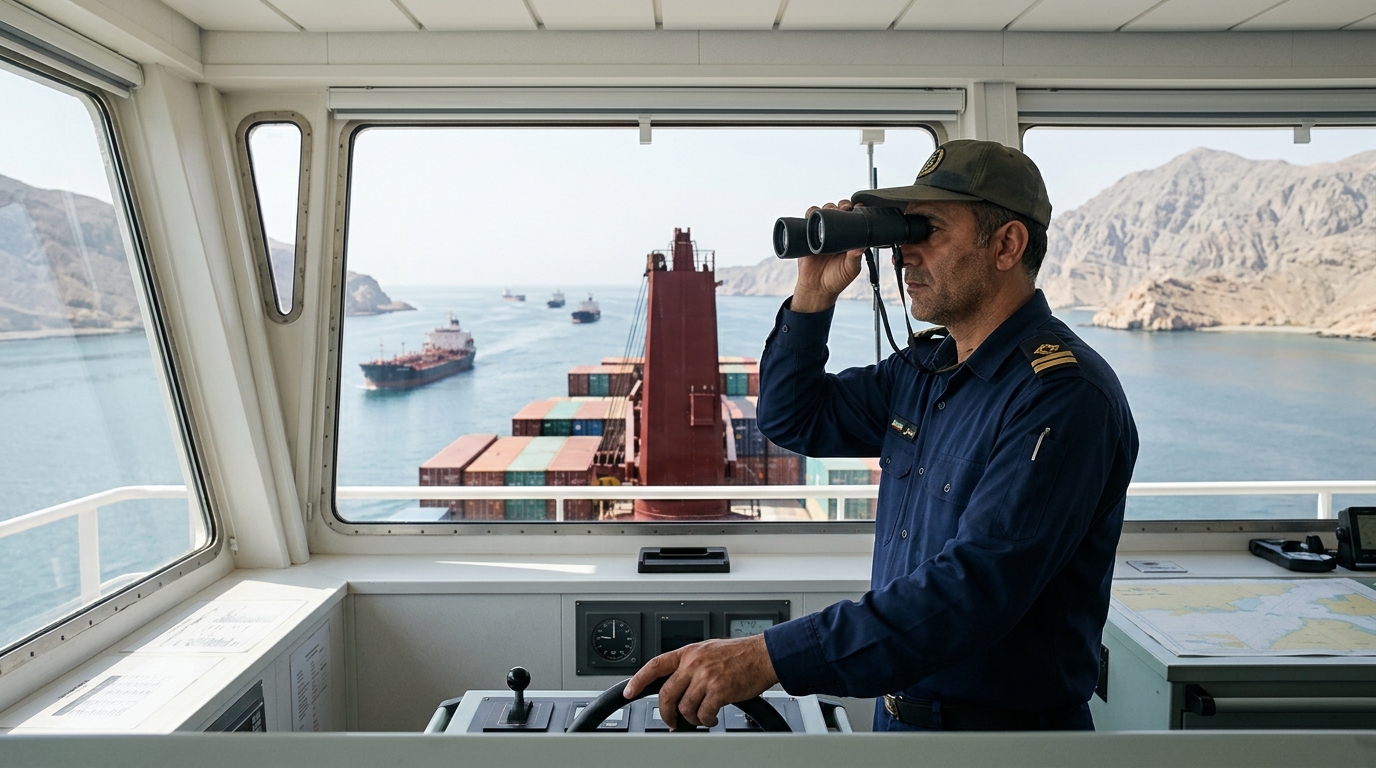
08 Aug Strait of Hormuz: Key to Global Oil Stability
Strait of Hormuz: Key to Global Oil Stability
The Strait of Hormuz: A Linchpin in Global Oil Politics
The Strait of Hormuz, a vital but narrow passage in global oil trade, is back in the limelight as Iran and Oman engage in crucial negotiations. Iran’s demands are setting the tone, making this waterway the focal point once again. The stakes? Huge. Not just for the countries at the table, but for the global oil market’s stability.
Iran’s Strategic Demands
Leading Iran’s charge in these talks is the Supreme National Security Council, steered by Mohammad Bagher Zolghadr. They’ve laid out key demands for the U.S., though specifics are under wraps. Still, the strategic weight of the Strait of Hormuz is clear as day. It channels a hefty chunk of the world’s oil supply, earning its spot at the heart of international diplomacy.
Consider this: nearly 21 million barrels of oil navigate this strait daily, underscoring its integral role in the global energy supply. Any hiccup here, and oil prices could spiral, unsettling the global economy.
U.S. Response and Political Dynamics
Vice President JD Vance’s administration is keeping a close eye, recognizing progress in talks with Iran and Oman. On Fox News, Vance emphasized the delicate feat of balancing U.S. economic interests with diplomatic finesse. It’s not just about opening the strait. It’s about untangling the broader geopolitical web in the region.
Domestic politics add another layer of complexity for the U.S. With midterm elections looming, how these international developments play out could sway voter sentiment. Successfully steering these talks might just boost the administration’s reputation both at home and on the world stage.
Implications for Global Oil Markets
The stakes in the Hormuz negotiations are sky-high for global oil markets. If the strait reopens smoothly, oil prices might stabilize—welcome news given the volatile swings tied to geopolitical tensions and post-pandemic recovery. But if talks flounder? Supply disruptions could send prices soaring, ratcheting up economic pressures globally.
All eyes are on these negotiations. From oil-producing nations to international corporations and financial markets, everyone’s watching. The geopolitical chess game at the Strait of Hormuz shows just how tightly local actions and global consequences are woven together.
Looking Ahead: Navigating a Complex Geopolitical Landscape
The Strait of Hormuz negotiations spotlight the tangled web of modern geopolitics, where local disputes ripple across the globe. As discussions press on between Iran, Oman, and the U.S., the world waits—acutely aware of what’s at stake. The aftermath won’t just tweak oil prices; it’ll set the stage for future diplomatic moves in the region.
In our information-saturated age, grasping the nuances of such geopolitical developments matters. The saga of the Strait of Hormuz reminds us just how interconnected global politics are—and why navigating these choppy waters with informed, independent thought is so crucial.
No Comments