




09 Aug Independent Candidates Reshape Montana’s Political Landscape
Political Dynamics Shift as Independent Candidates Gain Traction
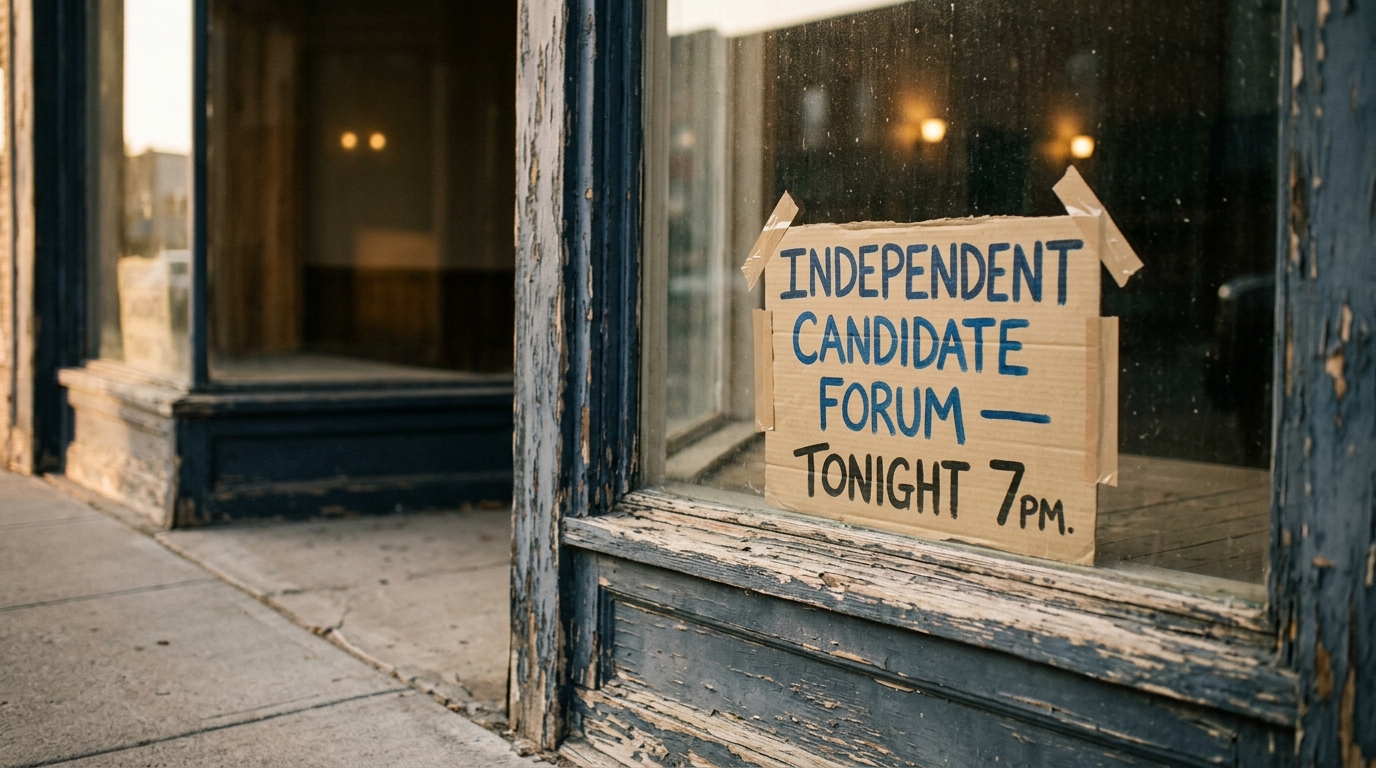
In the United States, a significant shift is unfolding in the political arena. Independent candidates are making a mark, shaking up the usual dominance of the two-party system. Just take Montana as an example. Democrat Alani Bankhead is feeling the heat to step aside for independent candidate Seth Bodnar in the Senate race. It’s part of a bigger picture of voter frustration with the major parties.
Montana Senate Race: A Microcosm of Change
Over in Montana, Alani Bankhead secured the Democratic primary. Yet, within her own ranks, voices are urging her to bow out and back Seth Bodnar, the independent candidate. Bodnar isn’t just holding his own; he’s outshining both Bankhead and Republican Kurt Alme in fundraising—a clear signal that voters are craving something new beyond the typical Democratic and Republican lines.
“It’s not between Republicans and Democrats. It’s between the extreme and the rational,” Bodnar stated, capturing the dissatisfaction many Montanans feel toward the established parties.
Montana isn’t alone. You see similar situations in South Dakota, Idaho, and Nebraska. In these states, Democrats are strategically stepping back for independents, acknowledging their waning influence.
The Role of Independent Candidates in Election Strategy
Independent candidates are increasingly seen as strong contenders. They manage to draw in a varied group of supporters—Democrats, Republicans, and those fed up with both. This approach is crucial where traditional party loyalty is eroding. Take Montana’s Democrats: they’re betting on an independent to topple the Republican stronghold.
Political analysts argue this could shake up future campaign strategies, forcing major parties to rethink how they build coalitions and endorse candidates.
Implications for U.S. Political Landscape
As the trend picks up speed, the two-party system faces a real test. Independent candidates like Bodnar are tapping into the belief that the main parties don’t quite cut it anymore. Especially in areas of high political tension.
With independents poised to sway significant races, Democrats and Republicans might have to rethink their game—perhaps by expanding their agendas and reaching out to a broader range of voters. This could lead to a more dynamic and unpredictable political scene, where the lines between parties become less rigid, making room for coalitions based on shared issues.
Looking forward, the growing success of independent candidates might just redefine American politics, leading to richer dialogues and fresh ideas about what it takes to stand as a viable candidate.
No Comments