






10 Aug Global Crises: U.S. Marine Detained and Colombia Quake
Global Tensions and Natural Disasters: A Week of Geopolitical and Environmental Upheaval
This week, the world’s gaze has turned to two unfolding crises: the detention of a U.S. Marine veteran in Russia and a devastating earthquake in Colombia. Both events underscore the tangled web of global politics and the raw, unpredictable power of nature.
The Human Toll of Political Battles
Robert Gilman, a U.S. Marine veteran, is at the center of international attention in Russia. Arrested in 2022 for an alleged assault on a Russian police officer, Gilman now faces a severe health crisis in prison. He’s been moved to a psychiatric hospital, reportedly in a “dissociative stupor” and receiving nourishment through a tube. Secretary of State Marco Rubio is personally invested in advocating for his release. Gilman’s situation starkly highlights the human costs of geopolitical strife, as he is among at least ten Americans currently held in Russia.
“We are literally on an hour-by-hour basis hoping that Mr. Gilman hangs on,” remarked Kieran Ramsey of Global Reach.
Political tensions often worsen these cases of wrongful detention. Countries sometimes use foreign detainees as bargaining chips in diplomatic squabbles. As the U.S. pushes for Gilman’s freedom, his case represents the broader struggles that American citizens face when detained abroad.
Colombia’s Earthquake: A Nation in Crisis
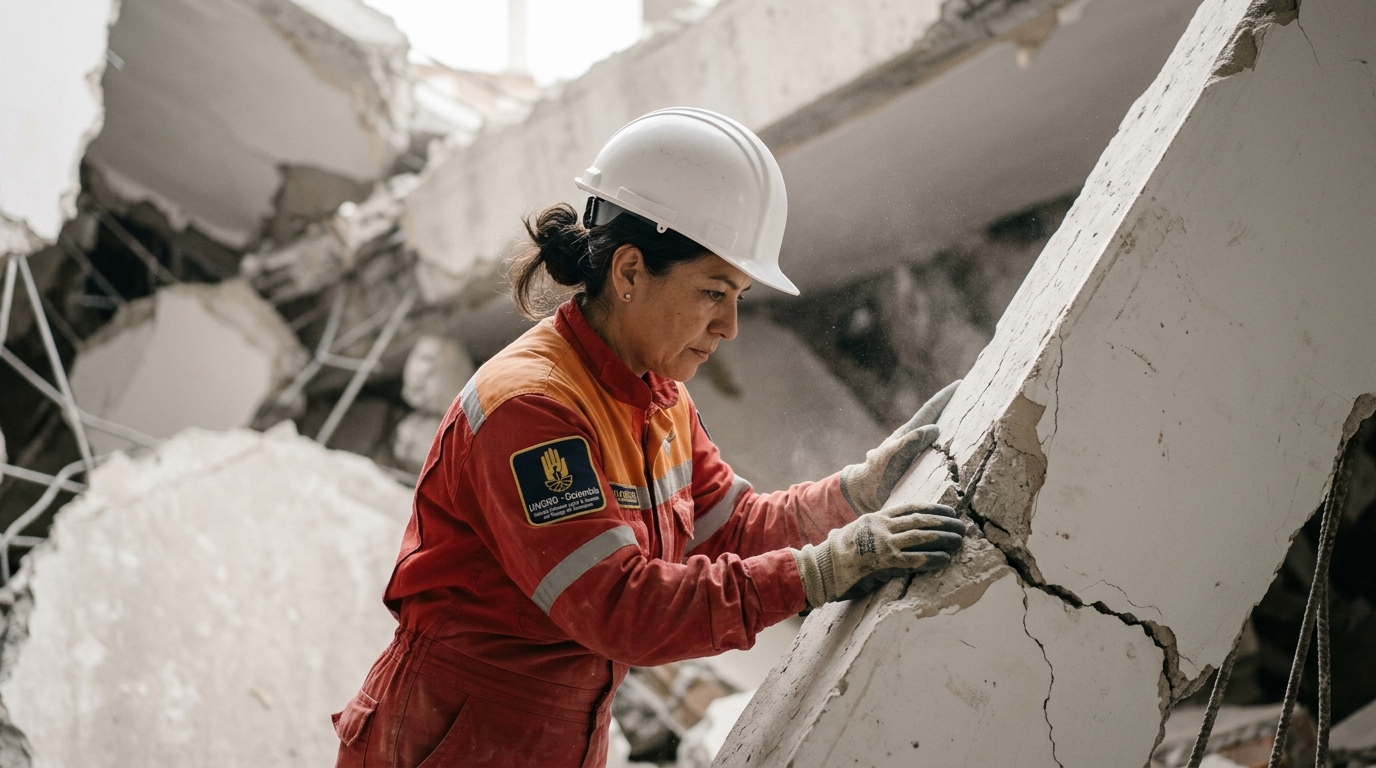
On the other side of the globe, Colombia is grappling with the aftermath of a catastrophic 7.4-magnitude earthquake that has taken at least 111 lives, leaving widespread destruction in its wake. The quake hit on Monday and has devastated infrastructure, testing the resolve of Colombia’s newly sworn-in President, Abelardo Gabriel De La Espriella. He assured the nation of his commitment to emergency response efforts and promised to visit the hardest-hit areas.
“You are not alone. Colombia has a president who cares about the people and who will do everything in his power to help them in the most difficult moment,” President De La Espriella declared.
The disaster highlights the vulnerabilities of nations to natural calamities, particularly during political transitions. Immediate hurdles include protecting citizens, restoring vital services, and coordinating international relief efforts.
Implications and Global Reactions
The plight of Robert Gilman and the devastation in Colombia are potent reminders of the interconnectedness of our world. Geopolitical tensions, humanitarian emergencies, and natural disasters don’t exist in vacuums; they often intensify each other. As the global community steps up, these incidents might lead to a fresh look at diplomatic relations and emergency preparedness tactics.
In the days to come, the U.S. and other countries face urgent questions: How can they better protect their citizens overseas? How can they effectively aid nations struck by natural disasters? These issues are bound to stay at the forefront of international dialogue, demanding both swift action and strategic foresight.
No Comments