






13 Aug Political Influence Shifts in America
The Shifting Dynamics of Political Influence in America
American politics is on the move. Money’s influence and changing political ideologies are shaking up the electoral scene. Two key players? The American Israel Public Affairs Committee (AIPAC) with its increasing campaign expenditures and the Democratic Socialism movement gaining strength in the Midwest. They’re at the heart of today’s political narrative.
AIPAC’s Escalating Campaign Involvement
AIPAC, once just a formidable lobbying force, is now veering into direct campaign spending — a change that’s turning heads and raising eyebrows. By pouring money into Democratic primary contests, AIPAC is not just sticking to its guns on U.S.-Israel relations; it’s shaking up debates over money in politics and stirring the pot within the Democratic Party.
“U.S. support for Israel has been a central issue in Democratic primary contests, putting a spotlight on AIPAC and the strength of its political influence.”
This scenario opens up larger discussions about how outside financial contributions are reshaping political campaigns and voter perceptions. Voters want more transparency now, more than ever.
Democratic Socialism: Gaining Ground in the Midwest
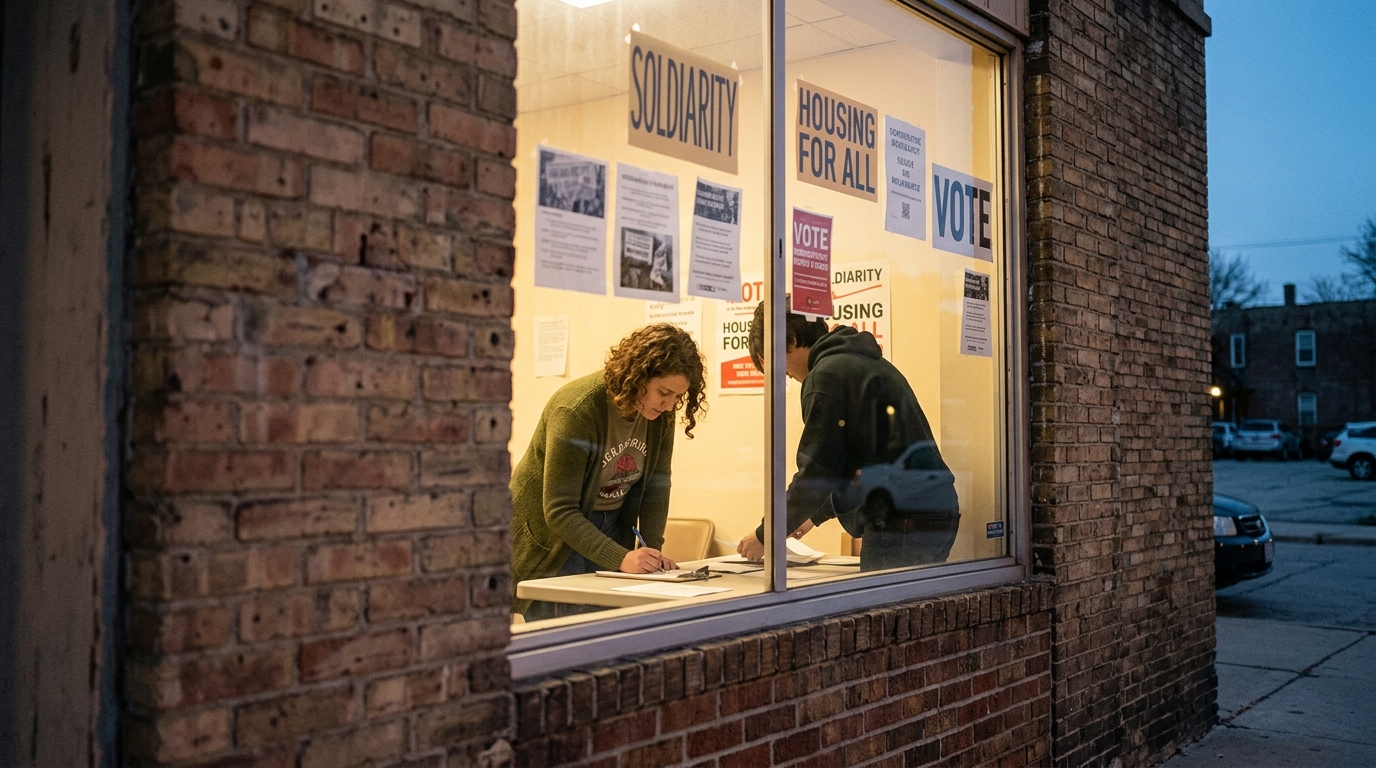
Then there’s Democratic Socialism making waves in the Midwest. It’s a cultural shift that could redraw party lines. A democratic socialist candidate came close in Wisconsin’s Democratic gubernatorial primary. Not a win, but telling. Voters seem open to new political ideas. Swing voters? They’re warming up to the “socialist” label. Surprising, right?
“Conversations with swing voters suggest voters may be more open to the ‘socialist’ label than expected.”
This change highlights a shift in political identity where economic and social justice issues are resonating more. It’s reaching a wider audience than before.
Implications for Upcoming Elections
With midterm elections on the horizon, these shifts raise big questions about the future of American politics. Will organizations like AIPAC spur legislative talks on campaign finance reform? Can Democratic Socialism inspire new strategies to engage voters fed up with traditional party lines? Only time will tell.
These changes urge a deeper look into how political narratives are formed and understood. The coming months will be telling—will these trends be mere blips or signal lasting transformations in the American political landscape?
No Comments