







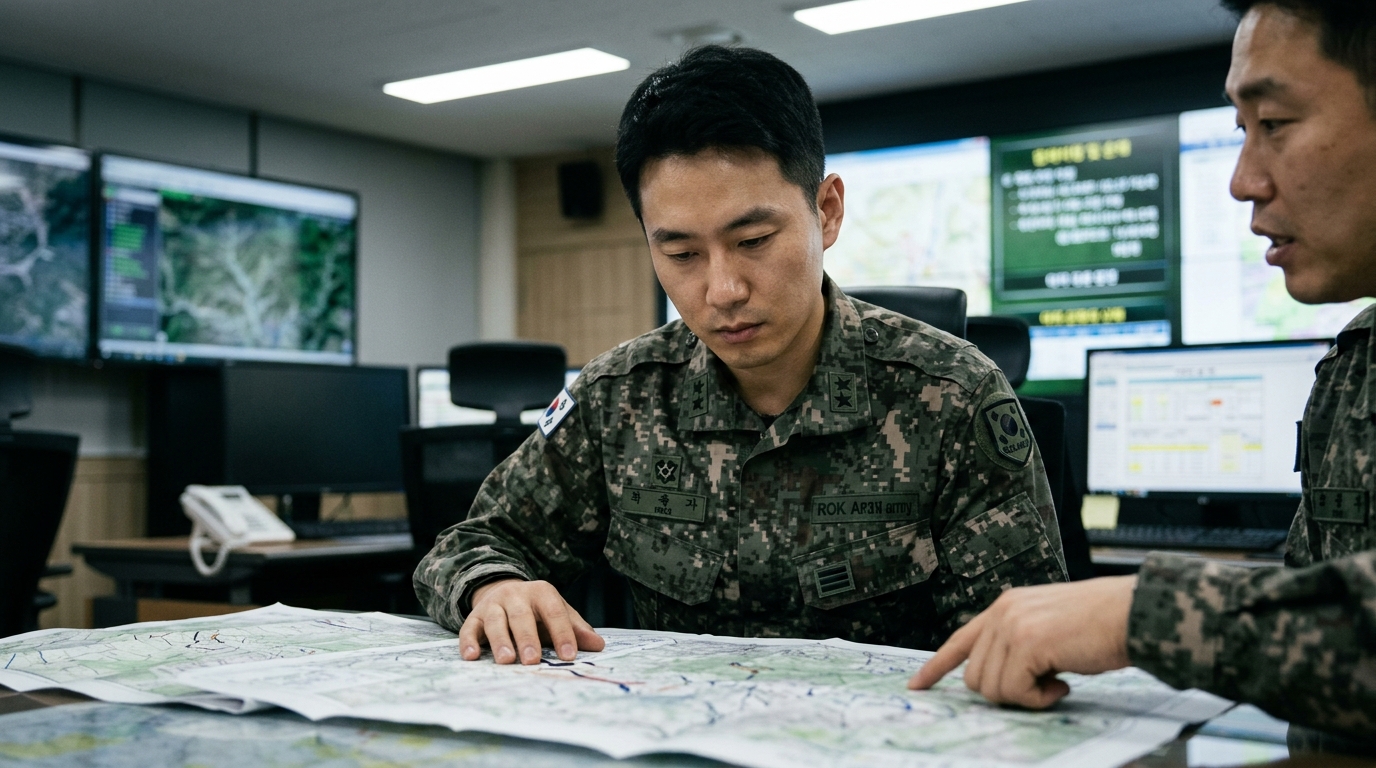
16 Aug Trump’s Military Strategy with South Korea
Trump’s Military Decisions: More Than Meets the Eye?
President Donald Trump’s recent decision to scale back joint military exercises with South Korea has sparked debate and raised some eyebrows among political and military analysts. Announced through his Truth Social account, this move hints at a complex mix of geopolitical strategy and diplomatic relationships. But what does it really mean for U.S. foreign policy and global relations at large?
The Official Rationale
Trump cited various reasons for scaling down the exercises: the financial burden, a message of hostility toward North Korea, and South Korea’s alleged reluctance to join U.S. denuclearization efforts in Iran. He stressed that these military drills contradict his administration’s push for cooperation with Kim Jong Un, North Korea’s leader. This decision comes right on the heels of North Korea’s recent ballistic missile tests—historically a negotiation tactic.
North Korea described the exercises as “a rehearsal for an aggressive war,” a narrative they frequently push to justify their own military activities.
Regional Security Implications
The joint drills, featuring 18,000 South Korean troops, play a vital role in preparing for potential North Korean threats. The U.S. military sees these exercises as foundational to regional stability and a testament to the ongoing U.S.-South Korea alliance. Reducing them might embolden North Korea, as experts suggest it could seize the opportunity to enhance its weapons arsenal.
This decision could also strain U.S.-South Korea relations. Traditionally, such exercises have underscored the U.S.’s pledge to defend South Korean sovereignty. Pulling back might be seen as weakening that commitment, possibly unsettling the power balance in East Asia.
The Broader Geopolitical Chessboard
Trump’s choice reflects a broader turn in U.S. foreign policy during his administration—where financial considerations and bilateral negotiations overshadow multilateral commitments. This approach has had mixed results, often critiqued for eroding traditional alliances while chasing peace with former adversaries like North Korea.
Add Iran into the mix, and things get even more complicated. By linking South Korea’s involvement in U.S. actions against Iran to the military exercises, Trump seems to be leveraging regional security issues to gain international cooperation. This tactic, however, might ruffle some feathers and risk alienating key allies.
Looking Forward: What Lies Ahead?
Reducing military exercises with South Korea isn’t just about saving money or diplomacy. It’s a signal of possible shifts in U.S. military and foreign policies—where alliances and readiness are weighed against new diplomatic strategies and fiscal priorities. As the region adjusts, the world will watch to see how these choices impact both regional stability and global diplomacy.
No Comments