







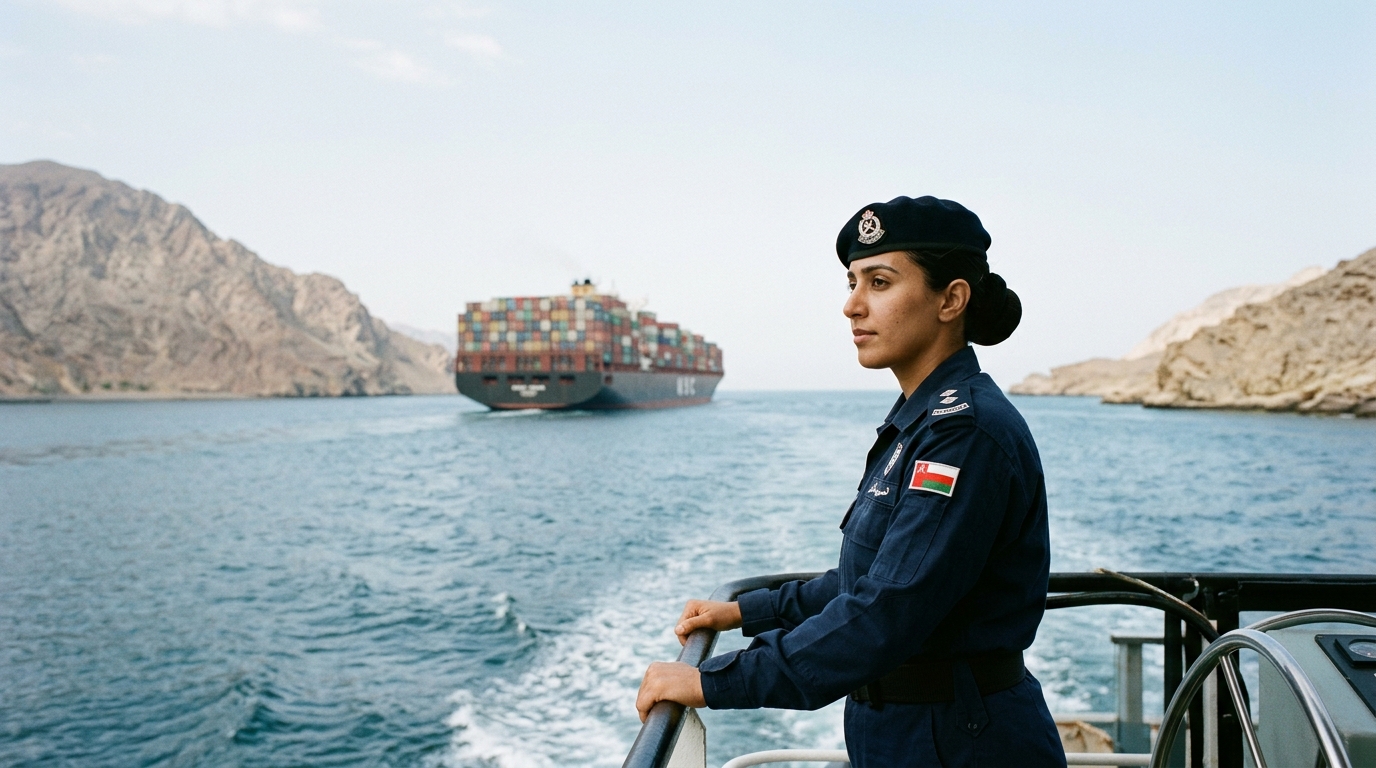
17 Aug Strait of Hormuz: Economic and Ecological Risks
Strait of Hormuz Stalemate: A Dual Threat to Economics and Ecology
The ongoing deadlock in the Strait of Hormuz isn’t just an economic hiccup; it’s a lurking ecological disaster with potentially vast implications. Since February, more than 1,500 ships have been caught in this pivotal waterway due to ongoing tensions involving Iran. While the economic fallout from this standoff is clear, the environmental threats are slowly emerging as a significant concern.
Economic Impact vs. Ecological Consequences
The Strait of Hormuz is crucial for global oil transport, with a hefty slice of the world’s petroleum flowing through daily. The blockage has already thrown supply chains into chaos and sent energy prices skyrocketing worldwide. The ecological fallout? Less obvious but possibly more dangerous. The idle ships’ hulls are turning into havens for invasive marine species. These organisms, once they find their way to new habitats, could wreak havoc on local ecosystems, outdoing native species and shaking up marine biodiversity.
Invasive Species: A Global Marine Threat
Invasive species have a notorious reputation for quickly settling into new environments, often overshadowing local flora and fauna. The chance for these species to spread worldwide via the stuck ships in the Strait of Hormuz is a real worry. This scenario highlights the tangled web of ecological and economic systems, reminding us that taking care of our environment isn’t just a side issue—it’s deeply intertwined with economic stability and global trade.
“The ecological risk posed by the trapped ships in the Strait of Hormuz is a stark reminder of how geopolitical tensions can have unintended environmental consequences.”
Looking Forward: Addressing the Dual Threat
The situation in the Strait of Hormuz demands a strategy that juggles the urgent need for economic stability with the long-term goal of ecological conservation. International cooperation is vital to untangle the diplomatic gridlock and to roll out plans to curb the spread of invasive species. The spotlight should be on coordinated efforts that tackle both the pressing economic issues and the looming environmental menace.
As the world grapples with this intricate problem, it’s obvious that the link between political disputes and environmental hurdles calls for creative solutions and joint action. Tackling the dual threat in the Strait of Hormuz isn’t just about fixing a local crisis; it’s about protecting the environmental and economic well-being of our interconnected globe.
No Comments