






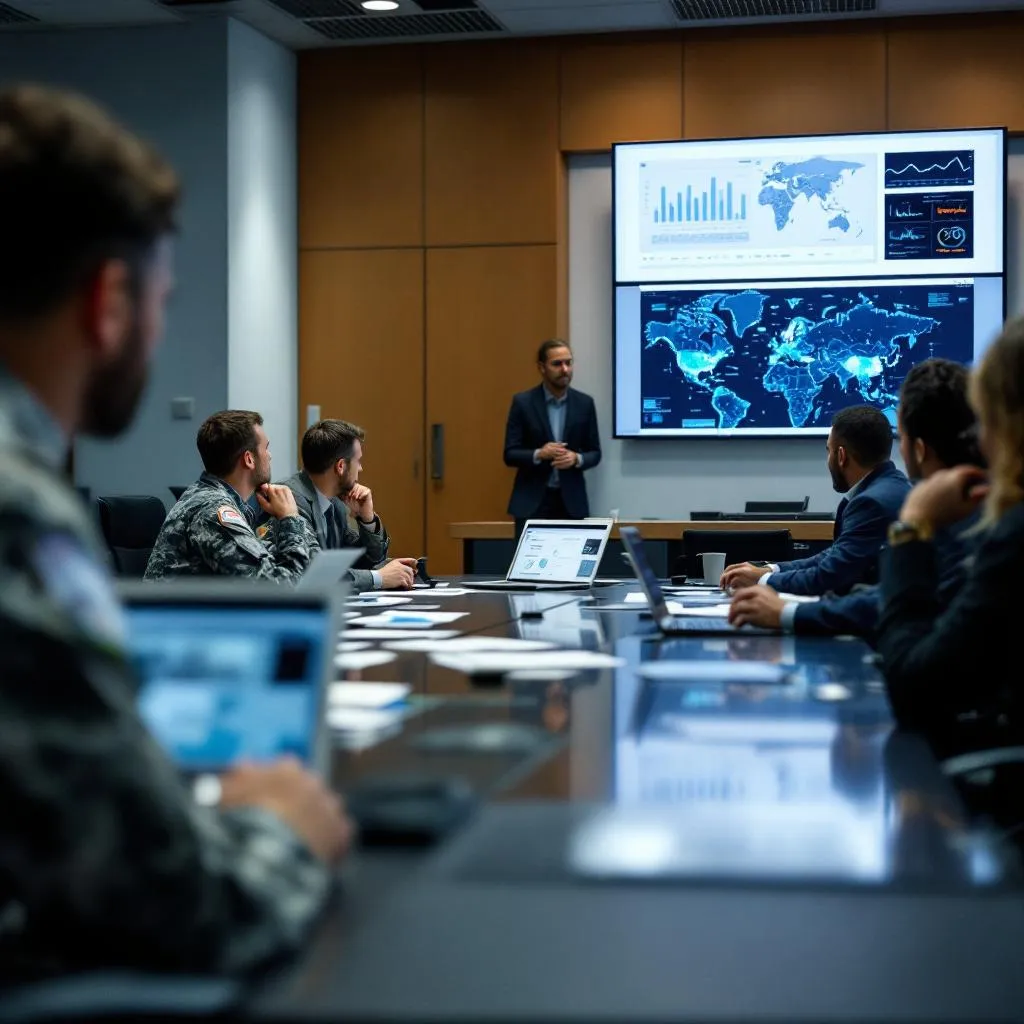
01 May AI Integration in Pentagon Military Operations
AI and the Pentagon: A New Era of Military Operations
As the landscape of military operations evolves, so does the integration of cutting-edge technology. In a significant move, seven of the nation’s leading artificial intelligence firms have entered into agreements with the Pentagon to deploy their AI systems within the Defense Department’s classified networks. This initiative marks a strategic collaboration aimed at enhancing the technological capabilities of U.S. military operations.
A Strategic Alliance
The partnerships include tech giants such as OpenAI, Google, Nvidia, Reflection AI, Microsoft, Amazon Web Services, and SpaceX. These companies are at the forefront of artificial intelligence innovation, and their collaboration with the Pentagon underscores the increasing importance of AI in national defense strategies. The deployment of AI systems within the DoD’s classified networks is expected to bolster military operations, potentially offering new capabilities in data analysis, threat detection, and decision-making processes.
Implications for Military Operations
The integration of AI technology into the military sphere is not without its challenges. The deployment of these systems within classified networks raises questions about data security, ethical considerations, and the potential for AI to transform traditional defense strategies. With AI’s ability to process vast amounts of data at unprecedented speeds, the Pentagon aims to leverage these technologies to gain a strategic edge over adversaries.
Context and Considerations
- Security Concerns: The use of AI in defense introduces concerns about cybersecurity and the safeguarding of sensitive information. Ensuring that these systems are secure from cyber threats is paramount.
- Ethical Implications: The deployment of AI in military contexts raises ethical questions regarding autonomous decision-making and the potential for AI-driven warfare.
- Technological Innovation: This collaboration signifies a broader trend of technological innovation within the military sector, as the U.S. seeks to maintain its competitive advantage on the global stage.
“The collaboration between the Pentagon and leading AI firms marks a pivotal moment in the intersection of technology and military operations, highlighting both the potential and the challenges of AI integration.”
As these partnerships unfold, the defense sector may experience a cultural shift towards increased reliance on AI-driven solutions. This development not only reflects the Pentagon’s commitment to modernizing its operations but also sets the stage for broader discussions on the role of technology in national security.
No Comments