





14 Apr Aviation Safety and Ethics in American Politics
Ethics, Aviation Safety, and Social Media Missteps: Navigating the Complex Landscape of American Politics
Recent events in American politics underscore a growing concern over ethical standards, aviation safety, and social media’s role in shaping political narratives. As the nation grapples with these issues, the implications for public trust and policy-making are profound.
Ethics and Political Accountability
The resignations of Congressmen Eric Swalwell and Tony Gonzales have reignited debates around ethics in politics. Representative Suhas Subramanyam, D-Va., a member of the House Ethics Committee, emphasized the importance of maintaining ethical standards to restore public confidence in government institutions. Subramanyam’s comments come amid widespread dissatisfaction with political accountability, suggesting a systemic issue that transcends individual cases.
Michelle Cottle’s critique highlights a culture of resignation in Washington that often overlooks red flags until scandals erupt. This pervasive attitude not only damages individual careers but also detracts from the legislative focus on pressing national issues, such as disaster preparedness and aviation safety.
Aviation Safety: A Legislative Imperative
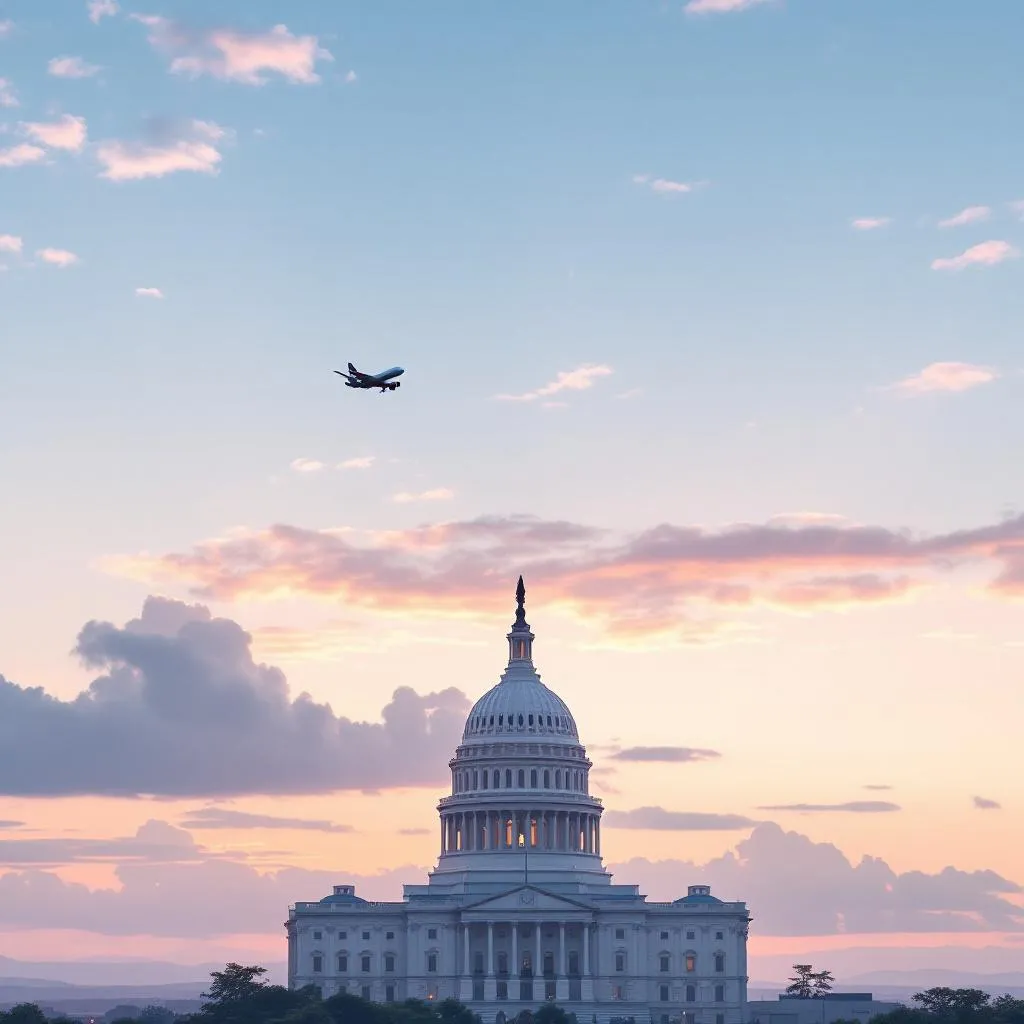
The House’s impending vote on the Alert Act, aimed at enhancing aviation safety, has drawn attention to the need for robust regulatory measures. This bill, introduced in response to a tragic midair collision, seeks to mandate locator systems on aircraft to prevent similar incidents. Despite backing from key industry groups and the National Transportation Safety Board (NTSB), victims’ families and some lawmakers argue for stricter timelines and broader coverage, including military flights not engaged in secret missions.
The NTSB’s support for the revised bill marks progress, yet the legislative process remains fraught with challenges. The Alert Act’s journey through Congress illustrates the complexities of balancing industry interests, regulatory efficacy, and public safety demands.
The Influence of Social Media on Political Narratives
Meanwhile, former President Donald Trump’s social media activities continue to stir controversy. His recent post of an AI-generated image depicting himself in a Christ-like manner drew sharp rebuke from religious conservatives, highlighting the delicate interplay between political figures and religious communities. The backlash, including calls for Trump to seek forgiveness, underscores the potential political liabilities arising from such missteps, particularly among swing voter groups like Catholics.
Trump’s apparent misjudgment in posting the image reflects broader concerns about the role of social media in shaping political narratives and influencing public perception. It raises questions about the accountability of public figures in an era where digital platforms can amplify messages instantly and widely.
Conclusion
The convergence of ethical lapses, legislative challenges in aviation safety, and contentious social media behavior illustrates the multifaceted nature of contemporary American politics. As the nation navigates these issues, the ability of policymakers to uphold ethical standards, enact effective legislation, and engage responsibly on digital platforms will be critical in shaping the country’s future political landscape.
No Comments