



30 Apr Geopolitics and Domestic Policy: U.S. Developments
“`html
The Interplay of Geopolitics and Domestic Policy: A Closer Look at Recent U.S. Developments
As the United States navigates a tumultuous geopolitical landscape, the ripple effects are felt across domestic policy and economic conditions. The recent confluence of events, including the ongoing Iran conflict and internal political maneuvering, highlights the intricate balance between international affairs and domestic priorities.
The Economic Strain of Global Conflict
The Iran war has reignited concerns about inflation, particularly as gas prices surge to levels unseen in three years. The Commerce Department’s latest figures indicate a 0.7% rise in a key inflation measure from February to March, driven primarily by a dramatic increase in fuel costs. Consequently, the Federal Reserve is under pressure to reassess its interest rate strategy, holding steady amid fears of exacerbating inflation further.
“A year that was set to benefit from tail winds associated with a large tax cut and boom in artificial intelligence-led investment has been partially derailed by the impact of what as of today is an adverse and growing supply shock caused by the war in Iran,” remarked Joe Brusuelas, chief economist at RSM.
This economic strain is compounded by a predicted slowdown in GDP growth, now forecasted at 1.7% for the year, a notable dip from prior expectations. The persistence of high gas prices is likely to divert consumer spending away from other sectors, potentially stalling economic momentum.
Political Tensions and Legislative Challenges
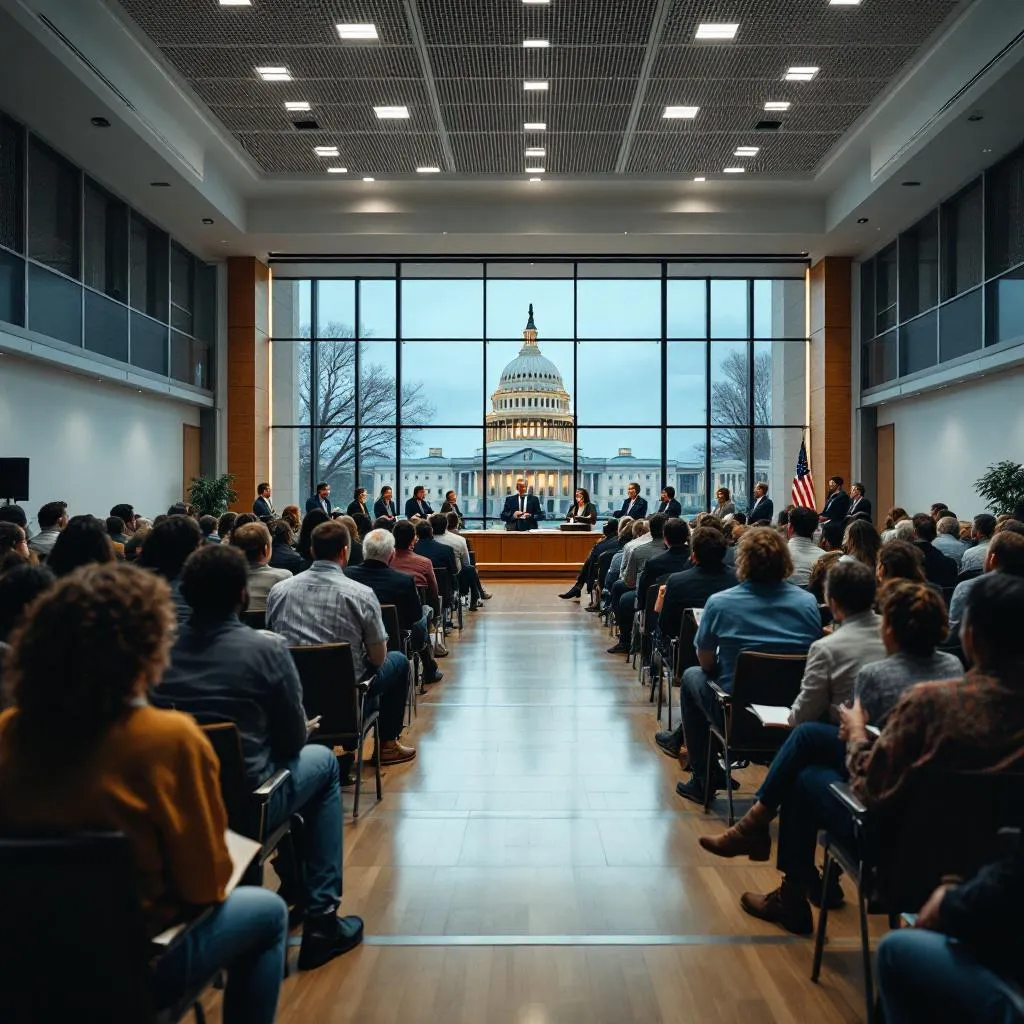
Parallel to these economic challenges, political tensions are palpable within the U.S. Congress. The recent resolution to end the longest shutdown at the Department of Homeland Security (DHS) underscores the complexities of bipartisan negotiation. While the House passed a funding bill for DHS, it notably excluded allocations for Immigration and Customs Enforcement (ICE) and Customs and Border Protection (CBP), reflecting deep divisions over immigration policy reforms.
Speaker of the House Mike Johnson’s eventual decision to bring the Senate’s proposal to a vote was a strategic move aimed at placating hardline members within his party. However, this piecemeal approach to funding has laid bare the contentious nature of immigration enforcement discourse, a topic that remains a focal point of legislative debate.
Defense Budget Scrutiny Amidst Global Unrest
On the defense front, Secretary Pete Hegseth’s recent congressional hearings have spotlighted the financial and human costs of the Iran war. The proposed $1.5 trillion military budget, which aims to bolster defense capabilities through increased investments in drones, missile defense systems, and naval assets, is under scrutiny. While Republican lawmakers largely support these expenditures, Democrats question the strategic rationale and lack of congressional oversight in military engagements.
Moreover, the investigation into a deadly strike on an Iranian elementary school, with mounting evidence of U.S. involvement, adds another layer of complexity to the Pentagon’s accountability narrative. The broader implications of such incidents on international relations and domestic policy cannot be overstated.
The Intersection of Technology and Education
Amid these geopolitical and political developments, a domestic movement challenging the role of technology in education is gaining momentum. Parents and educators are calling for a reevaluation of digital learning tools, advocating for reduced screen time and a return to more traditional educational methods. This tech backlash highlights a growing concern over the influence of “Big Tech” in public schools and the need for thoughtful integration of technology that aligns with educational goals.
As these various narratives unfold, the interplay between global events and domestic policy continues to shape the national discourse. It is evident that the challenges faced by the United States are multifaceted, requiring a nuanced understanding of the interconnectedness of economic, political, and social dynamics.
“`
No Comments