





13 Jun 2026 World Cup’s Impact on Global Politics
Unraveling the Complexities of Global Politics Through the Lens of the 2026 World Cup
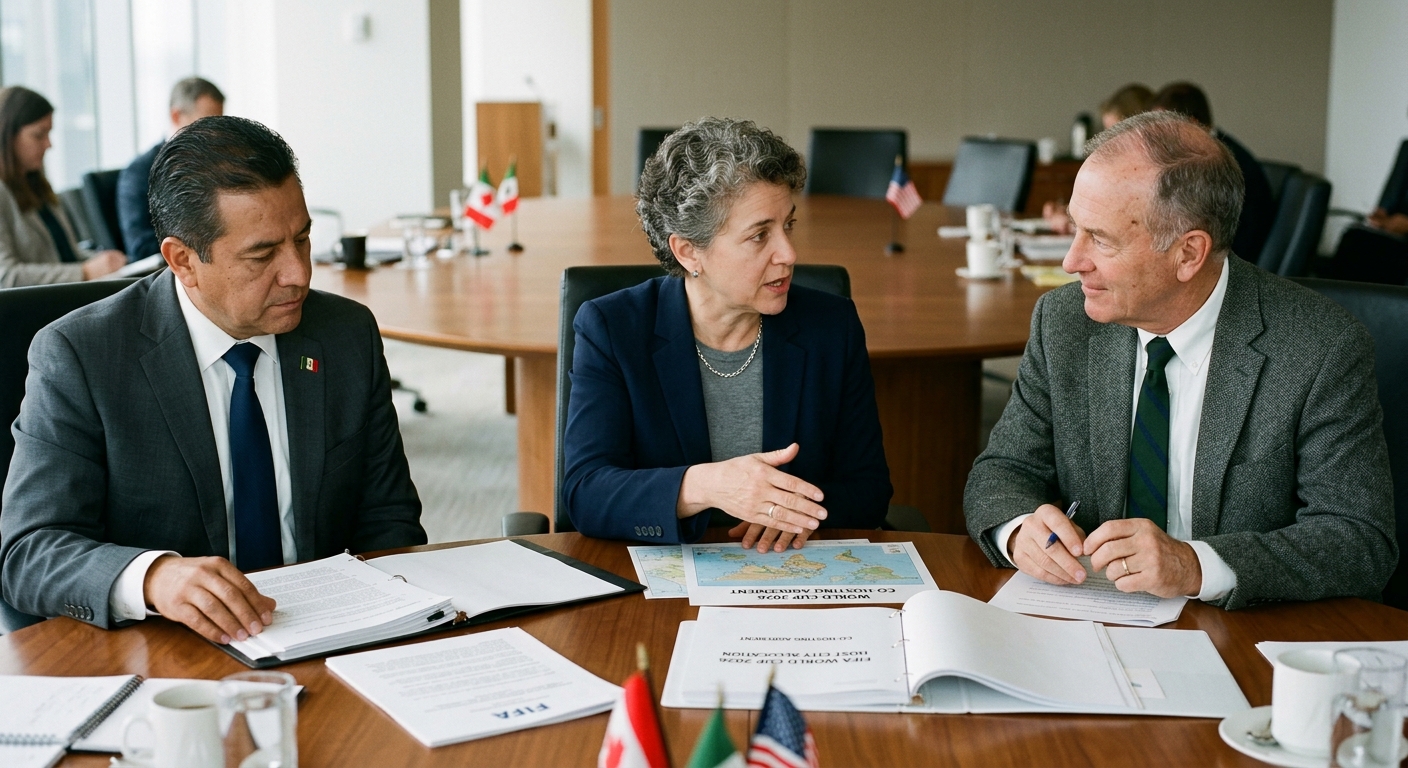
The 2026 FIFA World Cup, hosted across Canada, Mexico, and the U.S., isn’t just about soccer anymore — it’s become a hotbed for geopolitical conversation. While typically seen as pure sport, the World Cup is now revealing its intricate ties to global politics and international relations.
The Numbers Behind the Spectacle
FIFA President Gianni Infantino announced over 6 million tickets snapped up for the 2026 World Cup, marking it as a potential record-breaking event. But let’s dive deeper. These impressive figures hide some nuances. The event’s expansion to 48 teams over 104 games — that’s quite a jump from previous tournaments — is a big factor. This surge brings up questions about sales equaling success, with many seats still waiting for fans. And the pricing? That’s stirred up quite the controversy among supporters.
Geopolitical Underpinnings: Iran and the U.S.
In the midst of all the World Cup excitement, Iran’s participation in the U.S. has stirred diplomatic discussions. Iranian ambassador in Mexico, Abolfazl Pasandideh, views this as a goodwill gesture, hinting at possibly warmer ties between Iran and the U.S. amid ongoing conflict resolution talks. This scenario highlights how sports events can serve as unexpected platforms for diplomacy — a reflection of shifting geopolitical landscapes.
Reflecting on Global Health and Security Concerns
Elsewhere on the world stage, the U.S. administration’s strategy for the Ebola outbreak in the Democratic Republic of Congo ruffled feathers. Accusations of neo-colonialism arose, especially after a controversial proposal to quarantine affected U.S. citizens in Kenya. The backlash? Protests erupted in Kenya, spotlighting the friction when global health policies clash with local sovereignty and public opinion.
Domestic Policy: Addressing Youth Safety
Back on home soil, D.C. Mayor Muriel Bowser’s reinstatement of a curfew for minors shines a light on domestic hurdles in tackling youth crime and safety. This decision aims to curb disorderly conduct but underscores the delicate dance local governments perform — balancing public safety with individual freedoms.
Conclusion: A Convergence of Narratives
The 2026 World Cup is more than just a sports gala — it’s a fascinating intersection of sports, global politics, and societal matters. Fans worldwide may be fixated on the matches, but underneath, tales of diplomacy, security, and governance unfold. This event, beyond showcasing athleticism, acts as a mirror reflecting the complex, diverse world we find ourselves in.
No Comments