






09 May Free Speech and Media in U.S. Politics
Free Speech and Media: The Evolving Contours of U.S. Political Discourse
The political landscape is shifting fast, and the crossroads of media, politics, and free speech is now a hotbed of debate. Look no further than the recent tussle involving the Federal Communications Commission (FCC) and a major U.S. television network to see how tangled media influence and political narratives can get in today’s America.
ABC’s Legal Battle with the Trump Administration
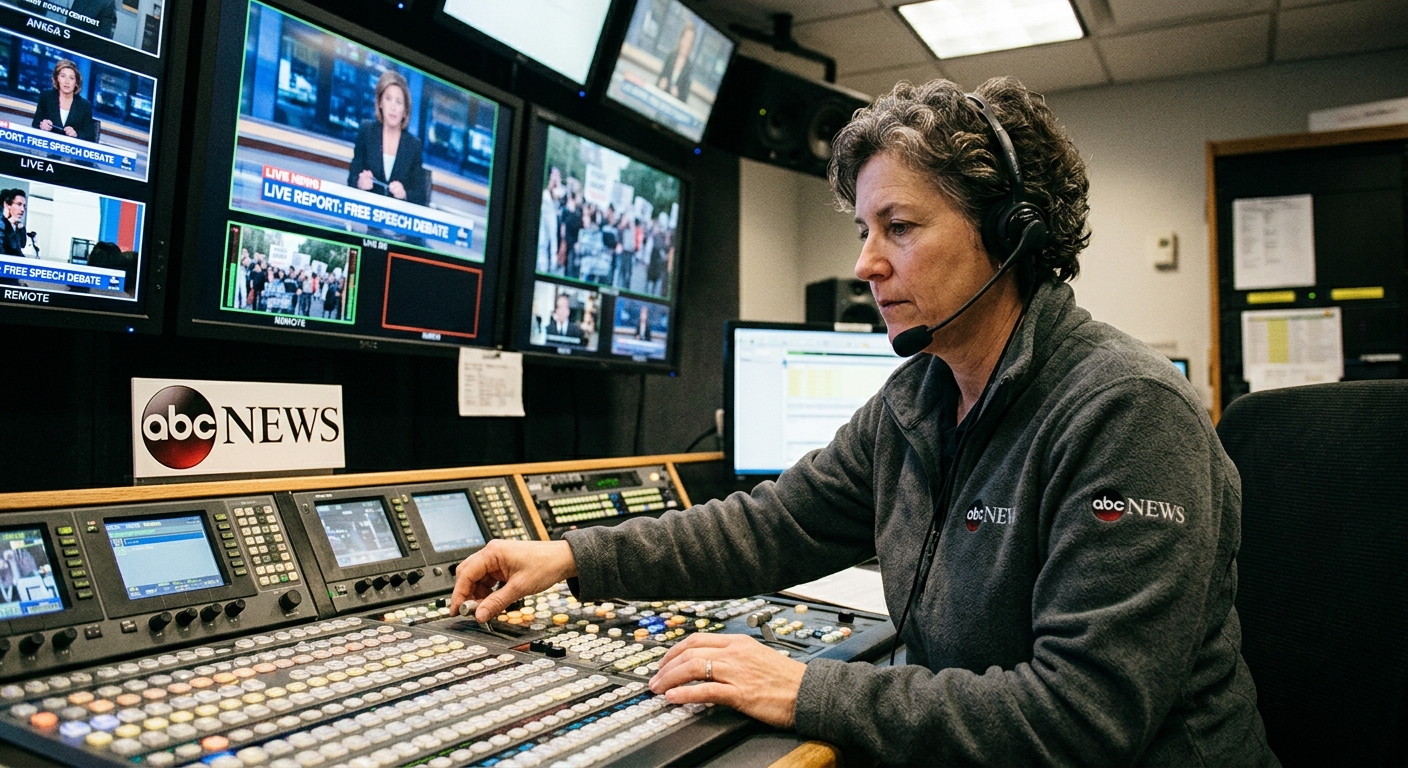
ABC’s lawsuit against the Trump administration throws a spotlight on a fierce legal and cultural clash over free speech and media regulation boundaries. At the center? The popular talk show “The View.” ABC argues that actions by the Trump administration, led by FCC Chairman Brendan Carr, aim to “chill” free speech by questioning the show’s exemption from equal time rules.
“The Commission’s actions threaten to upend decades of settled law and practice and chill critical protected speech, both with respect to The View and more broadly,” the filing asserted.
The equal time rules demand networks give equivalent airtime to political candidates, typically sparing bona fide news programs. But the FCC’s current stance questions if “The View” really fits the bill, which could set a precedent affecting similar shows.
Media Influence and Political Perception
This courtroom drama unfolds amid intense scrutiny of media’s grip on public perception and political discourse. President Trump has often slammed media outlets he sees as adversarial, sparking debates about the balance between governmental regulation and media independence.
ABC’s challenge captures the larger tensions between media and government, showing a world where the lines between entertainment and news blur more than ever. This case underscores the fight to maintain journalistic integrity and freedom against political pressure and regulatory hurdles.
Contextualizing the Broader Implications
Beyond the courtroom’s immediate concerns, the ABC-FCC conflict highlights key themes echoing through the U.S. political and media scene:
- The Role of Media in Politics: Shows like “The View” mix entertainment with political commentary, significantly molding public discourse and swaying voter perceptions.
- Regulatory Challenges: The FCC’s actions spark broader debates on how regulations should evolve in modern media contexts, balancing free speech with fair political representation.
- Political Climate: The Trump administration’s media interactions bring up worries about governmental sway over media stories and potential hits on democratic processes.
With midterm elections on the horizon, these issues are even more in the spotlight, as media framing and political narratives might just tip the scales in electoral battles. The ABC case is a snapshot of the broader hurdles media organizations face while navigating the tangled web of regulation, politics, and free speech.
In the end, this case’s outcome could have sweeping consequences for how media outfits run and how freely they can mold political discourse in these contentious times of polarized narratives and political tension.
No Comments