






12 Jun AI Legislation and Child Safety in Congress
AI Legislation, Child Safety, and Political Maneuvering: A Complex Congressional Landscape
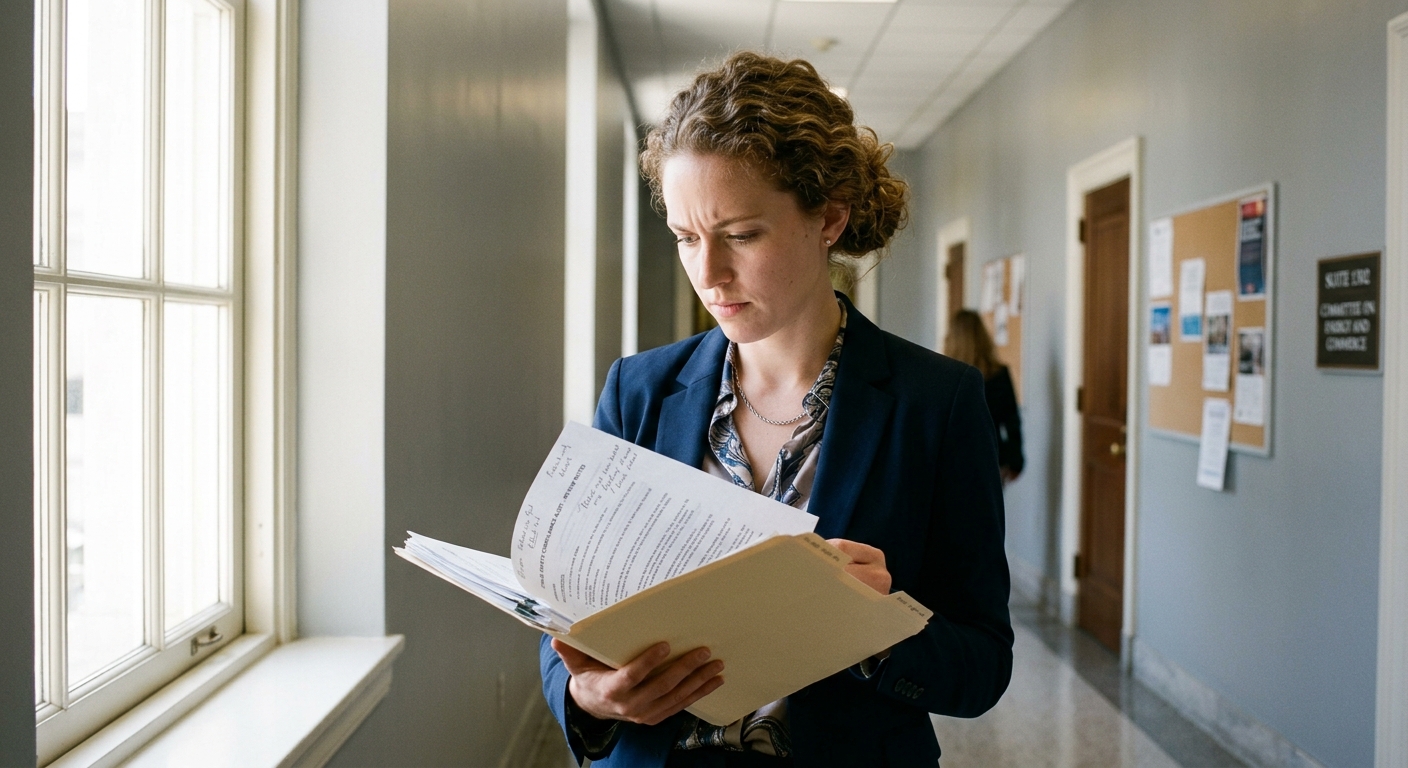
The U.S. Congress finds itself in the midst of a tangled web of issues—grappling with everything from AI regulation to keeping kids safe online. The drama continues to unfold, and as it does, the dance between tech, safety, and politics exposes just how intricate modern governance has become.
AI Regulation: Balancing Innovation with Safety
Senate Democratic Leader Chuck Schumer is spotlighting AI’s double-edged sword. It’s a game-changer but also a potential minefield that needs rules. Schumer’s call for “guardrails” isn’t just talk—it’s part of a bigger legislative push to manage AI’s societal impact. The technology isn’t slowing down, and lawmakers are in a tight spot. They have to figure out how to foster innovation while dodging pitfalls like privacy breaches and ethics scandals.
Child Safety on Digital Platforms: A Call for Accountability
At the same time, Sen. Marsha Blackburn (R-Tenn.) is ramping up the heat on digital platforms such as Kik. Criticized for dropping the ball on protecting minors, Blackburn’s letter to the company stems from a damning report by the National Center on Sexual Exploitation. She’s not mincing words, accusing Kik of negligence. This isn’t just Blackburn’s fight—it’s part of a broader move to make tech companies own up to their responsibilities, as worries about digital dangers for vulnerable kids continue to grow.
Political Dynamics: Internal and External Pressures
The political scene in Congress? As complicated as ever. Outgoing Texas Republican Senator John Cornyn is starting to speak out—telling Senator Mike Lee to lay off criticisms of fellow Republican John Thune. These internal squabbles reveal the subtle yet crucial personal interactions that often steer the legislative process.
And then there’s the former president—Donald Trump—shaking things up by appointing Jay Clayton as director of national intelligence after his last pick faced backlash. The drama around intelligence oversight doesn’t end there. Lawmakers are butting heads over a temporary extension for Section 702 of the Foreign Intelligence Surveillance Act, trying to strike a balance between keeping the nation safe and protecting civil liberties.
Global Context: Protests and Political Responses
Domestic issues aren’t the only game in town. International events keep adding fuel to the fire. Protests against Mexican President Claudia Sheinbaum, fraught with civil unrest, remind us how global tensions can sneak into U.S. policy discussions, especially in foreign relations and immigration.
As Congress tackles this chaotic mix of challenges, the blend of technology, safety, and politics makes clear the need for smart, balanced legislative steps. Handling these issues isn’t just about knowing their direct impacts. It’s about seeing them in the broader tapestry of societal and international contexts.
No Comments