




07 Jun Ebola Crisis and Middle East Tensions Intensify
Global Complexities Amplified Amidst Health and Political Crises
Right now, the world feels like it’s being hit from all sides with crises that are tangled together. The Democratic Republic of Congo is in a fierce fight against a deadly Ebola outbreak, and renewed tensions are bubbling up in the Middle East. Global leaders? They’re knee-deep in multifaceted issues that demand their urgent attention.
Health Workers in Congo Face Unyielding Strain
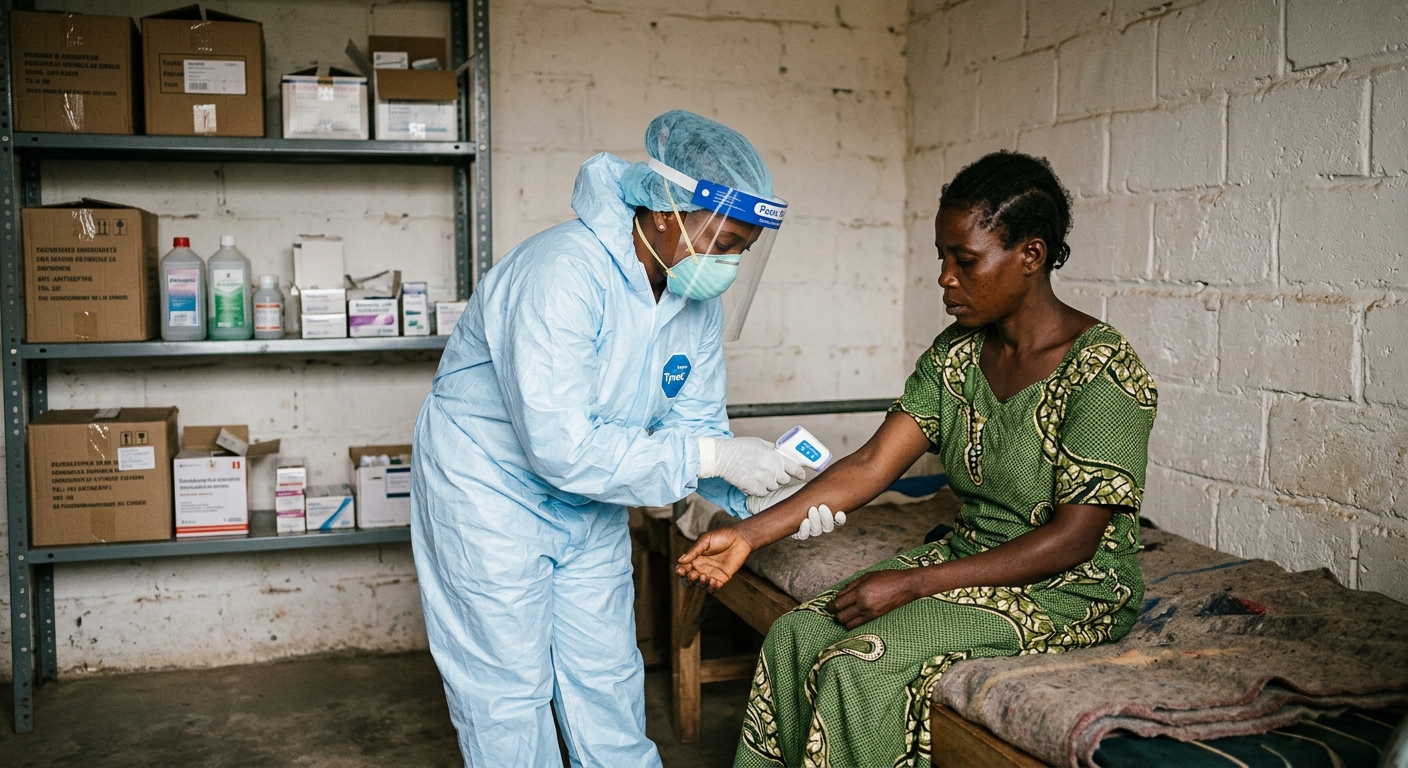
In the Democratic Republic of Congo, the Bundibugyo strain of the Ebola virus is tearing through communities—over 488 confirmed cases with 86 deaths reported so far. Frontline health workers like Dr. Richard Lokudu are pushing through exhausting conditions, often without the pay they deserve. The outbreak centers on Mongbwalu, a gold mining town where poor living and working conditions are making things worse by allowing the virus to spread more easily.
Despite their crucial role, these workers are met with skepticism from locals, complicating their already difficult mission. Without financial support, their livelihoods—and the effectiveness of their efforts—are at risk. No approved vaccine or treatment makes these communities even more vulnerable, highlighting a desperate need for international help.
Middle East Tensions Escalate
Meanwhile, peace between Israel and Iran took a nosedive after recent missile exchanges, the most significant hostilities since the ceasefire in April. Iran retaliated after an Israeli attack on Beirut, underscoring just how volatile Middle Eastern geopolitics can be. Iran-backed Hezbollah’s involvement and Israel’s military readiness could lead to a larger conflict, with ripple effects threatening both regional and global stability.
U.S. President Donald Trump’s approach mirrors broader geopolitical dynamics. He’s condemned Iran’s actions but is hesitant to jump into further military escalation—sticking to his “no new wars” campaign line. Still, this conflict tightens the noose on U.S.-Iran relations, making diplomatic efforts and peace initiatives even tougher.
Political Uncertainty in Kosovo and Los Angeles
Elsewhere, political arenas are shifting due to elections. In Kosovo, Prime Minister Albin Kurti’s party snagged the majority in the recent parliamentary election. But this win stirs questions about political stability in a country familiar with inconclusive elections and economic challenges, all made worse by a global energy crisis.
Across the Atlantic in Los Angeles, local elections are heating up as Councilmember Nithya Raman inches closer to Republican Spencer Pratt in the mayoral race. The slow vote count has caught attention, especially from Trump, who has thrown around unfounded claims of electoral fraud. These allegations lack evidence but tap into a broader conversation about electoral integrity and public trust in democracy.
Conclusion
The mix of global and local challenges is a wake-up call to the complexity of today’s governance and the intricate dance of health, politics, and diplomacy. Nations are navigating rough waters, and there’s a clear need for cohesive strategies and teamwork. The stakes are high, and the outcomes will shape the geopolitical landscape for years to come.
No Comments