







19 Jun Ebola Outbreak and Global Geopolitical Challenges
The Unseen Threads: Global Events Reflect Complex Interconnections
Headlines often spotlight individual events, grabbing our immediate attention. Yet, the intricate tapestry of global happenings reveals a deeper narrative of intertwined challenges and opportunities. Recent developments, ranging from health crises to geopolitical shifts, underscore the necessity for a nuanced understanding of these complexities.
The Lingering Shadow of Ebola in Congo
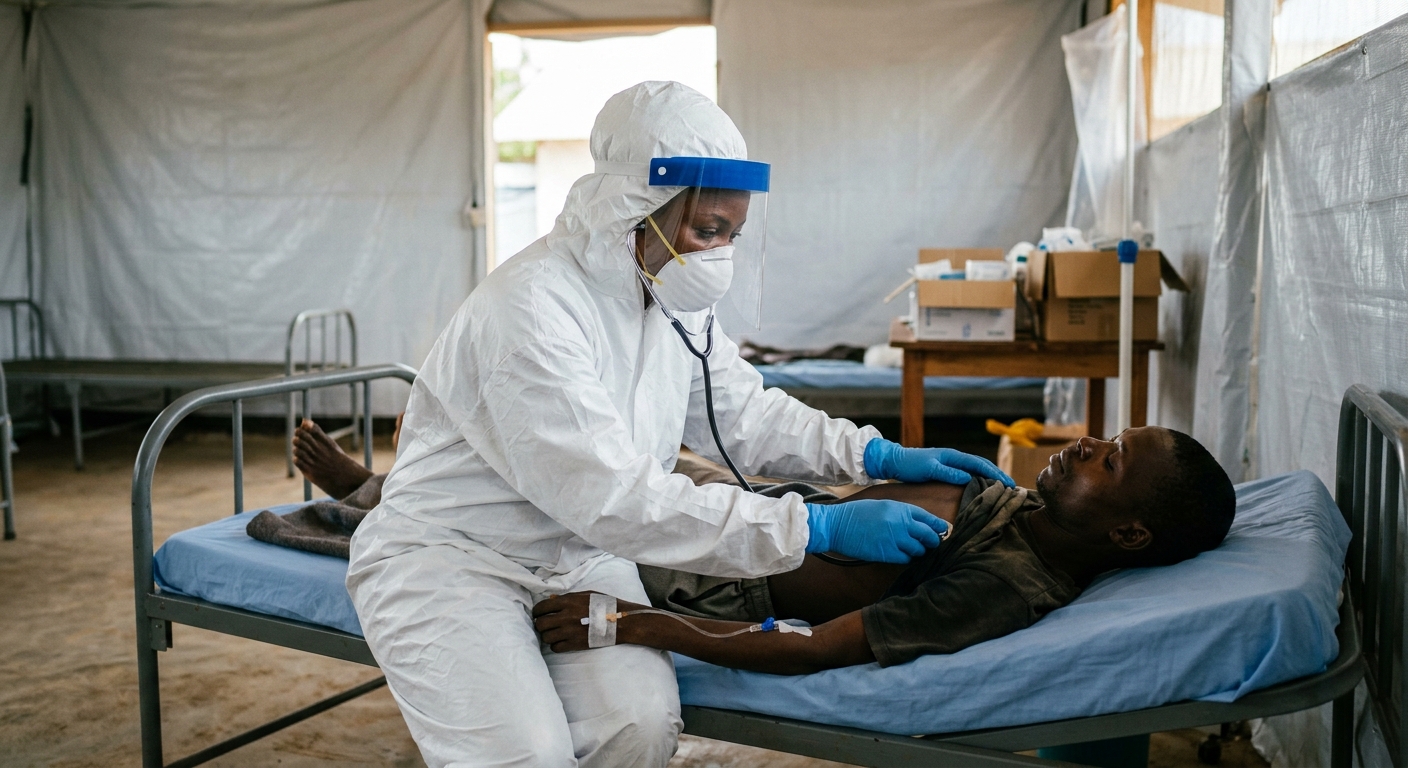
Deep in the heart of the Democratic Republic of Congo, the persistent Ebola outbreak in the Ituri region continues to test both healthcare systems and communities. A recent tragedy — the death of a 6-month-old orphan — reminds us of the human toll this epidemic exacts. Fueled by the Bundibugyo strain, this outbreak has already claimed over 200 lives and led to nearly 900 confirmed cases, marking it as one of the most severe since the devastating 2014 outbreak.
What makes the situation tougher is the absence of an approved vaccine or treatment for this particular strain, unlike the more common Zaire virus. Efforts to combat the outbreak face obstacles, including community resistance to militarized interventions and the cold, impersonal nature of safe burial practices. These issues underscore a tension between traditional customs and public health needs — a conflict with no easy solution.
Geopolitical Ripples from the Middle East
On the geopolitical front, the recent “memorandum of understanding” between the United States and Iran to ease hostilities brings a cautious optimism for regional stability. But don’t expect economic relief, particularly in oil prices, to arrive at lightning speed. An initial dip in gas prices was welcomed, but economists caution that sustained relief hinges on bigger economic factors, such as global demand and production capacity.
President Donald Trump’s claim that oil prices will fall immediately speaks to a broader narrative of how politics can influence economic expectations. Still, the complexities of international oil markets often go beyond political agreements, needing a more extended view to truly assess potential impacts.
Cultural and Economic Intersections at the World Cup
Shifting to a different stage, the 2026 FIFA World Cup provides a fascinating lens to examine cultural and economic intersections. In Seattle, FIFA’s commemoration of Juneteenth with a pre-game video featuring local icons and NBA legends showcases the ongoing cultural recognition within global events.
Moreover, the Tartan Army’s presence in Boston for the World Cup reflects Massachusetts Governor Maura Healey’s strategy to harness cultural events for economic affordability initiatives. These efforts highlight cultural diplomacy as a bridge for broader policy objectives, connecting local interests with international engagements.
The Role of Media and Perception
As these stories unfold, the role of media framing and public perception becomes increasingly critical. The interplay of health crises, geopolitical maneuvers, and cultural celebrations illustrates the complexity of today’s information landscape. By critically evaluating these stories and their underlying narratives, audiences can better sift through the noise, fostering a more informed and engaged public discourse.
No Comments