



04 May Electoral Control in 2026 Midterm Elections
“`html
The Battle for Electoral Control: A New Front in American Politics
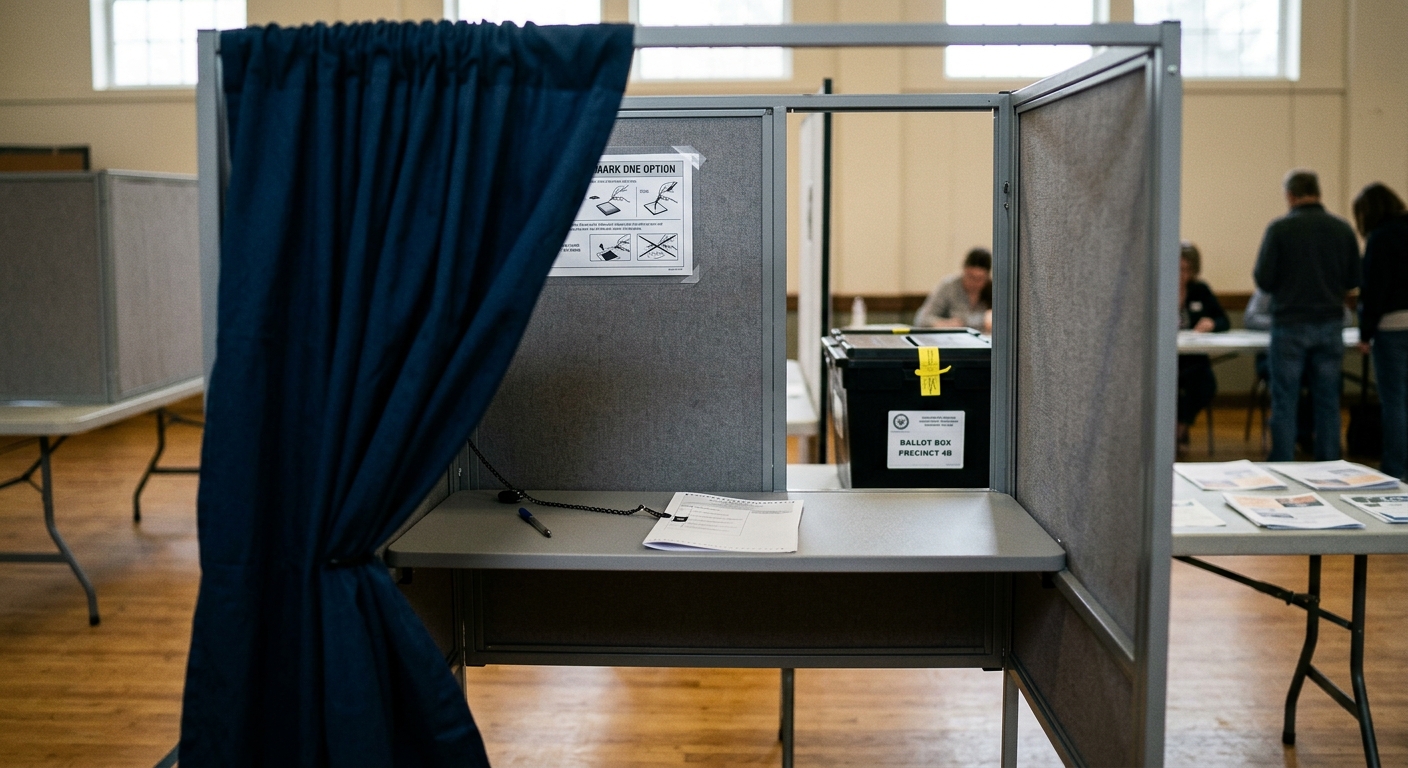
As the United States gears up for the 2026 midterm elections, a significant yet underreported narrative is emerging: the rise of election-denying candidates vying for key positions that could influence future elections. According to an analysis by States United Action, a nonprofit focused on election protection, individuals who have previously denied the validity of election results are running for offices with direct roles in certifying elections in 23 states, including pivotal swing states.
A New Era of Election Influence
The implications of this trend are profound. Candidates who have expressed doubts about the integrity of elections are seeking roles that traditionally maintain the sanctity of electoral processes. These positions include secretaries of state, governors, and attorneys general, all of which have varying degrees of influence over election administration and certification.
In states like Georgia and Michigan, which have been at the center of electoral controversies in recent years, the stakes are particularly high. The memory of Georgia Secretary of State Brad Raffensperger’s decision to uphold the electoral results in 2020 against pressure from then-President Trump remains fresh. Similarly, Michigan’s Jocelyn Benson faced intimidation tactics for her role in safeguarding the election outcome. The presence of election-denying candidates in these races raises questions about the future integrity of electoral processes.
The Broader Political Context
This electoral battle is unfolding amidst a backdrop of political turbulence. The Republican Party is grappling with internal discord, as highlighted by gridlock in the House, which some GOP senators fear could harm the party’s prospects in the upcoming midterms. Meanwhile, the PGA Tour’s renewed relationship with Trump signals a thawing of relations with the former president, showcasing the complex dynamics at play within the Republican sphere.
Simultaneously, the extension of the Foreign Intelligence Surveillance Act (FISA) is set to be a battleground, with debates over surveillance powers and digital currency regulations illustrating the ideological divides within Congress. These multifaceted issues reflect the broader challenges facing American democracy as it navigates a landscape marked by polarization and rapid change.
Implications and the Road Ahead
The entry of election-denying candidates into races for crucial electoral roles could have lasting consequences. If elected, these individuals might influence not just the mechanics of future elections but also public trust in electoral outcomes. This development underscores the importance of informed voting and the need for transparency in the electoral process.
As the nation approaches the midterms, the interplay of these narratives—election integrity, political infighting, and legislative battles—will significantly shape public perception and, ultimately, the trajectory of American democracy. Voters, policymakers, and political observers must remain vigilant, recognizing the potential ramifications of these developments on the fabric of the nation’s electoral system.
“`
No Comments