





02 Aug Geopolitical Tensions and Economic Uncertainty
Geopolitical Tensions and Economic Uncertainty: A Complex Global Landscape
Today’s world stage presents a tangled web of geopolitical tensions and economic uncertainties. We’ve seen how political decisions can send market reactions sprawling. Right now, from the Middle East to Asia, significant developments are in motion. Each of these could sway international relations and rock economic stability.
Trump’s Abrupt U-Turn on Iran Strikes
President Donald Trump has taken a sharp right turn. He called off planned military strikes on Iran, just when everyone thought the U.S. and Israel were set to hit Iran’s energy infrastructure. His social media announcement hints he reconsidered after pleas from Iran and its neighbors—hoping to hash out a deal.
This potential agreement? Aimed at the “Immediate, Complete, and Total OPENING OF THE HORMUZ STRAIT” and ending Iran’s nuclear ambitions. Skeptical, Iranian officials have labeled these assertions as fabrications. This comes against a backdrop of ongoing conflict since February, when the U.S. and Israel launched their offensive. Most Americans aren’t buying it. An AP poll shows nearly two-thirds deem the war unjustified.
Economic Ripples: The Chip Market’s Volatility
Meanwhile, over in Asia, the semiconductor market’s a rollercoaster. South Korea’s Kospi index? It nosedived over 33% in just a month. What’s behind this? Poor earnings from SK Hynix, a semiconductor titan, are at play. The AI boom had set the bar high, but existing market jitters have made things worse. The Kospi’s plummet isn’t just numbers—it’s a glaring sign of how deeply interconnected our markets are, with one sector’s hiccup rippling globally.
Investors? They’re feeling the heat. The chip market is pivotal for technological leaps and economic progress, yet it’s facing tough terrain. The volatility here mirrors the broader economic uncertainties swirling around us—big time.
Navigating Maritime Routes: Strategic Waterways Under Scrutiny
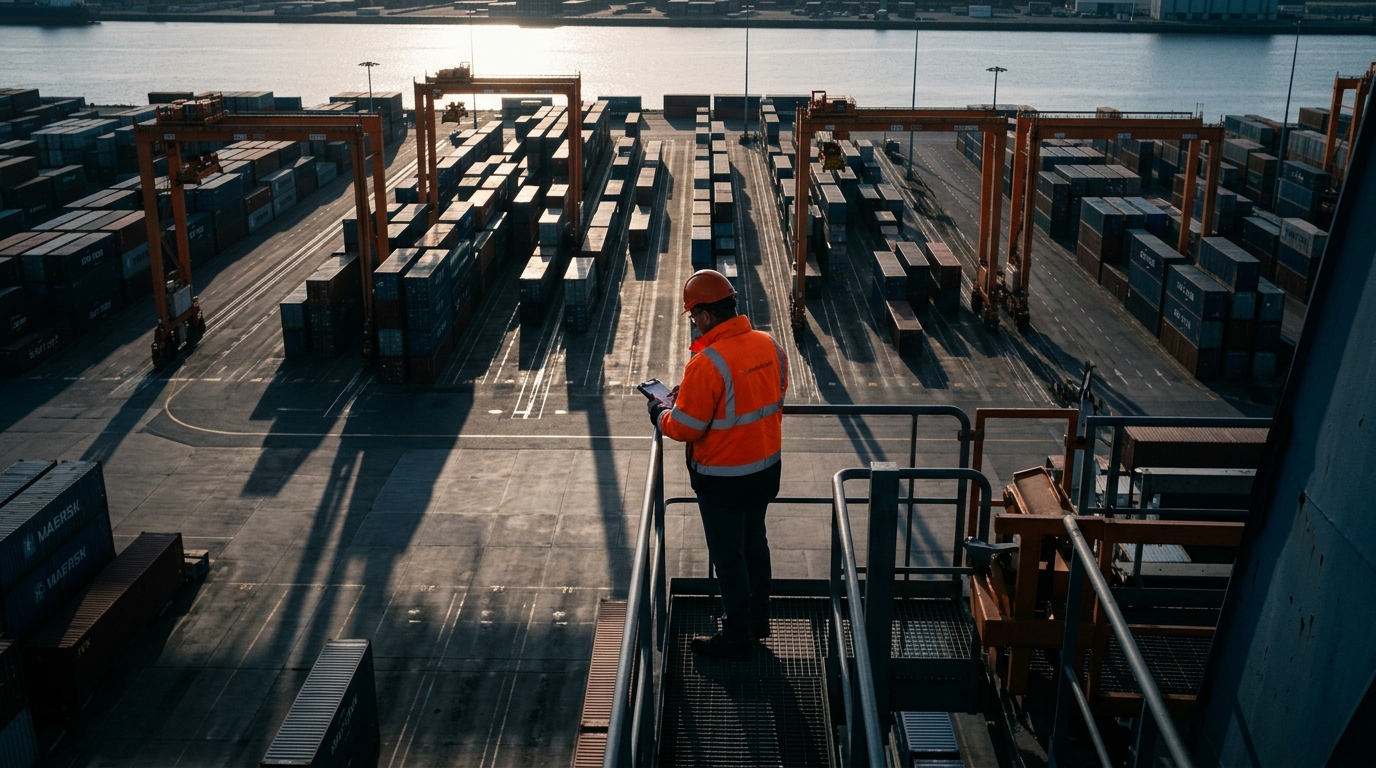
Throw into the mix another geopolitical layer: the Houthis in Yemen. Their maritime authority? Rejecting rumors of tolls on ships through the Bab el-Mandeb strait. This isn’t just any waterway—it’s key to global shipping, and any hiccup here might shatter trade routes.
The Houthis assert their safe-passage service is purely voluntary, trying to calm fears of shipping chaos. The Bab el-Mandeb? Still a crucial vein for carrying goods across continents. Keeping it stable means everything for maintaining global commerce.
Looking Ahead: Navigating a Complex Global Landscape
These unfolding stories paint a vivid picture of global power and influence—a delicate balance. Never has the interplay between geopolitical choices and their economic fallout been clearer. With tensions simmering in several regions and markets reacting to myriad triggers, the international community’s task is clear: navigate this maze of complexity and uncertainty with strategic insight.
No Comments