





28 Aug Himalayan Glacial Collapse and U.S. Political Crisis
Himalayan Glacial Collapse and U.S. Political Crisis
Glacial Collapse and Political Turmoil: A Tale of Two Crises
In the past few weeks, we’ve watched two vastly different crises unfold — a devastating natural disaster in the Himalayas and political drama within the U.S. Department of Defense. Both situations raise intriguing questions about the interplay between nature and human decisions, even if they happen in completely distinct settings.
Himalayan Disaster: The Aftermath of Glacial Collapse
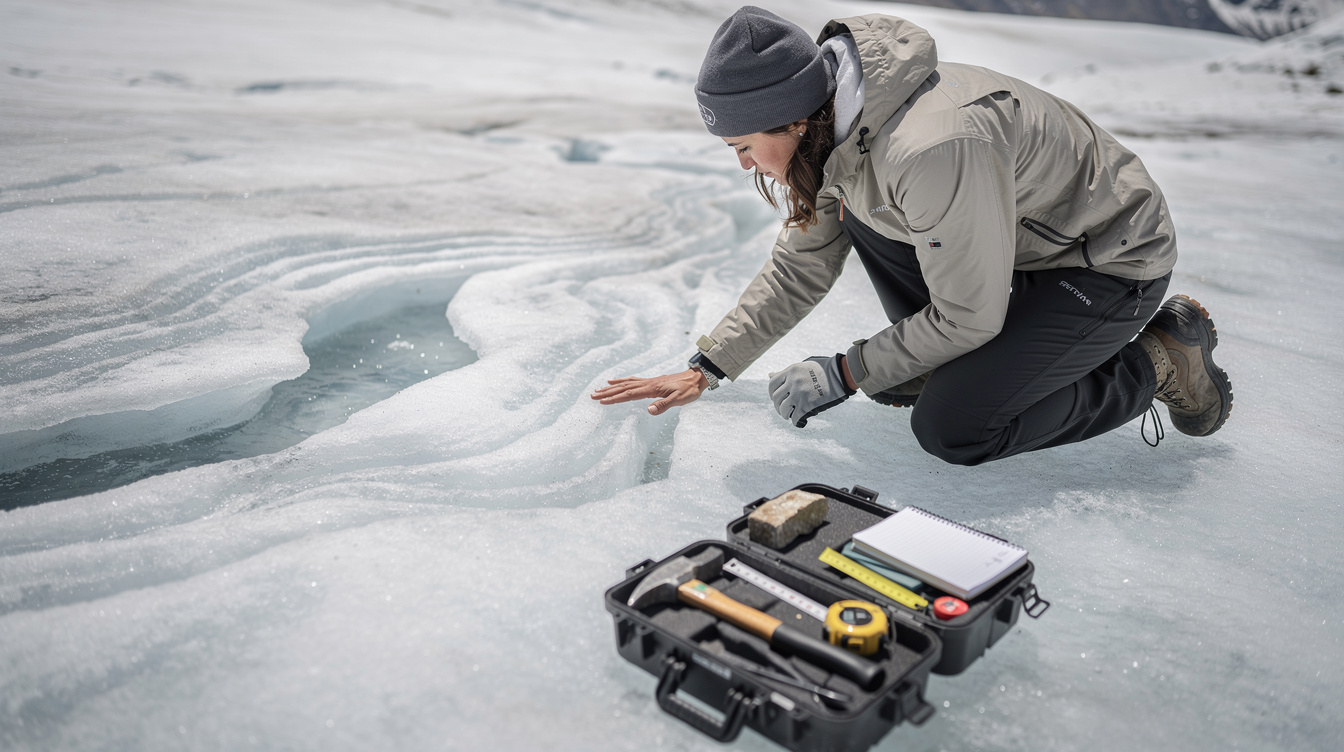
Parts of Nepal and Tibet recently faced severe flooding after a glacier collapsed in the Himalayan region. This disaster tragically claimed the lives of at least 390 people, with more than 1,400 still missing. It’s a stark reminder of how fragile mountain ecosystems can be as climate change speeds up glacial melt.
Experts believe the glacier’s sudden collapse north of Kathmandu released torrents of water, mud, and debris, wreaking havoc on communities and infrastructure. Satellite images capture rivers swollen with floodwaters — areas once safe now perilously dangerous. The region’s rugged landscapes have severely hindered rescue efforts as reported by PBS.
This catastrophe brings the spotlight back to climate change’s global impact on glacial areas. As temperatures rise, environmental events like these are expected to become more frequent and intense, posing big challenges for both local communities and international aid.
Defense Department’s Internal Strife: Civilian Protection Program Controversy
Meanwhile, the U.S. Department of Defense is caught in a controversy over scaling back a program designed to protect civilians during military operations. Defense Secretary Pete Hegseth, going against top commanders’ advice, chose to significantly reduce the Civilian Harm Mitigation and Response program.
This program aimed at reducing civilian casualties in conflict zones faced opposition from Hegseth, who viewed it as clashing with his goal of “maximum lethality.” Despite resistance from military leaders emphasizing the program’s importance in reducing target misidentification and enhancing operational efficiency, Hegseth pushed through the cuts as detailed by ProPublica.
The decision has sparked criticism, especially given ongoing U.S. military actions in places like Somalia, Yemen, and Iran — regions where civilian deaths have led to worldwide condemnation. This controversy underscores a classic tension: military objectives versus humanitarian concerns, raising ethical questions about military leadership’s responsibilities.
Contrasting Lessons and Future Implications
The Himalayan floods and the Defense Department’s controversy offer a sharp reminder of the diverse challenges global leaders face today. One crisis emerges from environmental change, while the other is rooted in the policy decisions within a complex bureaucracy. Both demand thoughtful actions that address immediate needs and long-term sustainability.
As we tackle these challenges, it becomes clear that effective leadership means understanding both natural and political terrains. Future strategies must weave together scientific knowledge, ethical mindfulness, and practical governance to skillfully navigate our world’s intertwined complexities.
FAQ
What caused the flooding in the Himalayas?
The catastrophic flooding in the Himalayas was triggered by the collapse of a glacier, which unleashed a torrent of water, mud, and debris, devastating communities in Nepal and Tibet.
Why did the U.S. Defense Secretary cut the civilian protection program?
Defense Secretary Pete Hegseth cut the Civilian Harm Mitigation and Response program, believing it conflicted with his objective of achieving “maximum lethality” in military operations, despite opposition from top commanders.
How does climate change contribute to glacier collapse?
Climate change accelerates the melting of glaciers by raising global temperatures, leading to increased glacier instability and potential collapse, thereby exacerbating the risk of flooding in mountainous regions.
No Comments